site.btaArchaeologists Uncover Ancient Homes, Graves Near Letnitsa
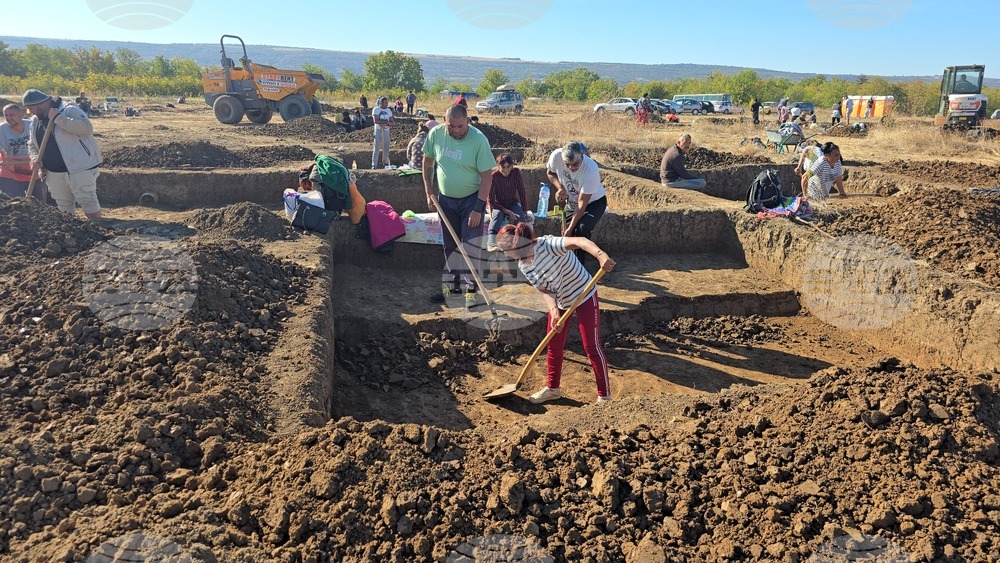
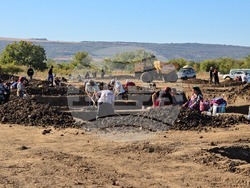
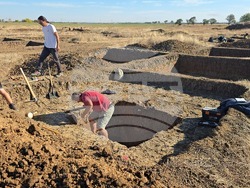
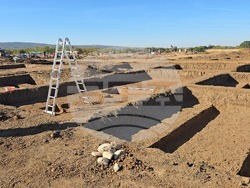
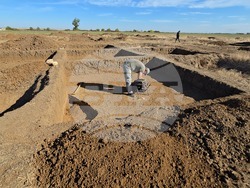
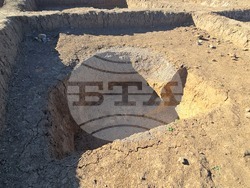
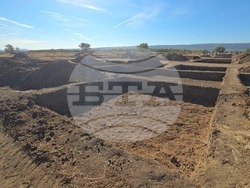
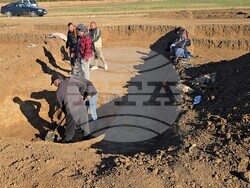
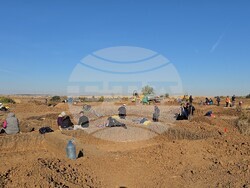
Sunken houses from the 4th century and graves from several historical periods were uncovered by archaeologists during excavations along Lot 4 of the planned Hemus Motorway near Letnitsa on Thursday.
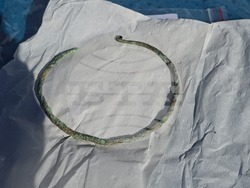
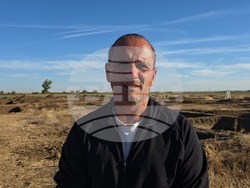
The project is led by Dr Ivo Cholakov and Georgi Ivanov from the National Archaeological Institute with Museum at the Bulgarian Academy of Sciences. The site covers more than 10 hectares and contains remains from the Chalcolithic, Bronze Age, Early and Late Iron Age, and Late Roman periods. So far, researchers have identified five 4th-century houses and associated storage pits containing pottery, coins, fibulae, tools, and animal bones. Among the most notable finds is a bronze torc, or neck ornament.
A nearby necropolis was found with six graves from the Early Iron Age or Chalcolithic period, most belonging to children aged up to 10. The Late Roman settlement appears to have been home to a poorer population, with its simple houses having been built using wattle-and-daub construction rather than stone or roof tiles. Archaeologists estimate that people lived there for around 50 to 60 years before leaving in an organized manner, with no evidence of fire, destruction, or violence.
Researchers noted that the site is particularly valuable, because relatively few settlements of this period belonging to ordinary, poorer people have been excavated. The motorway construction provided a rare opportunity to study their lives.
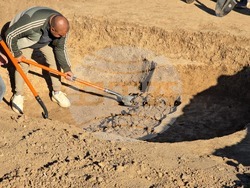
Excavations began in 2022 but were suspended because of funding shortages. They resumed in mid-August and are expected to continue until mid-November. Between 130 and 140 workers and a 30-person archaeological team are involved. Earlier excavations uncovered 99 archaeological structures, including Chalcolithic and Bronze Age pits, graves and pottery, as well as Late Roman houses and pits.
/NZ/
Additional
















news.modal.image.header
news.modal.image.text
news.modal.download.header
news.modal.download.text
news.modal.header
news.modal.text