site.btaOmbudsman Proposes Changes to Heat Energy Cost Allocation Rules, Financial Support for Low-Income Households
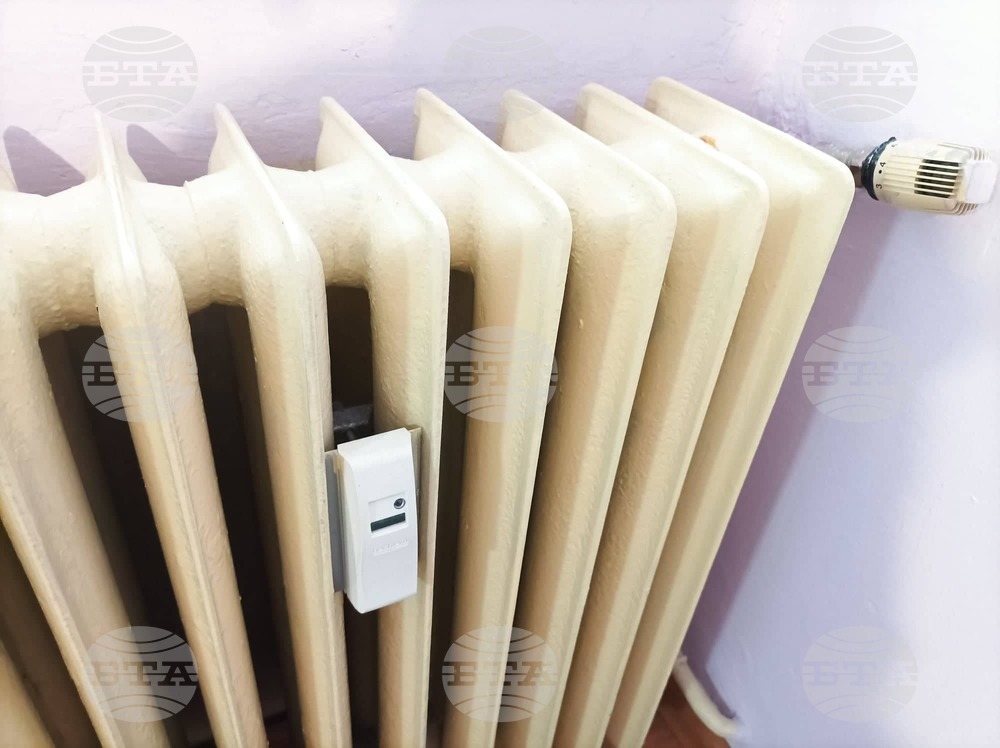
National Ombudsman Velislava Delcheva has sent a recommendation to Energy Minister Iva Petrova, proposing changes in the regulatory framework on heat energy cost allocation and financial support for low-income households, the Ombudsman’s Office said Thursday. The proposal follows complaints from citizens about the high cost of remote-reading devices, automatically charged high consumption and a lack of transparency in setting heat cost allocation fees.
By January 1, 2027, households must install hot water meters, heat allocators and individual remote-reading water meters. The costs of the devices reach hundreds of euro, yet their installing does not guarantee real monthly readings. The Ombudsman noted that in some buildings, where all homes already have remote-reading devices, heat cost accountants continue to take readings only once a year.
Under the Energy Act, where all properties in a building are fitted with remote meters, customers must receive billing information based on actual consumption at least once a month, although some heat cost accountants charge an additional fee for monthly readings. The Ombudsman said that estimated bills should no longer be issued where remote meters are available, except in cases of technical difficulties or where homeowners have decided otherwise and proposed that customers receive monthly information on their meter readings.
The Ombudsman also called for clear rules for cases where remote-reading devices are not installed by January 1, 2027, including a possible extension of the deadline. After that date, some households may still have functioning, certified hot water meters with visual readings that do not meet the remote-reading requirement. The Ombudsman said it should therefore be clarified whether such meters will be treated as missing or faulty and on what grounds.
According to Delcheva, changing the heat cost accountant is practically impossible due to the high cost of replacing devices, as customers are tied to their chosen provider for the devices' usual 10-year service life. The Ombudsman therefore proposed a unified standard for heat allocation devices, allowing customers to switch providers without replacing the devices.
The recommendation also addresses remote-reading hot water meters. Meters installed by heat cost accountants cannot be independently read by Water and Sewerage Holding (W&S), and vice versa, forcing consumers to pay extra for transferring data between the companies, even though the cost is already included in the price of W&S services. The Ombudsman proposed that such data transfers be free of charge.
Delcheva also called for greater transparency in setting fees for account servicing and meter readings, which are currently negotiated between heating companies and heat cost accountants without consumer involvement. She cited a recommendation of the Commission for Protection of Competition that customers should be able to negotiate contract terms and prices directly with their chosen heat cost accountant. If there is no real competition, another possible solution is regulating the heat energy allocation costs.
The Ombudsman also proposed financial support for low-income households required to purchase remote-reading devices and called on the Energy Ministry to introduce regulatory changes to better protect heating service consumers.
Deputy Ombudsman Maria Filipova has sent a letter to National Revenue Agency Executive Director Boris Mihaylov, calling for an inspection of the price increase for the heat energy allocation service for the 2026/2027 season for customers of Toplofikatsiya Sofia.
/DS/
news.modal.header
news.modal.text