site.btaBulgaria Faces High Cancer Risk with Limited Prevention Resources, Experts Warn
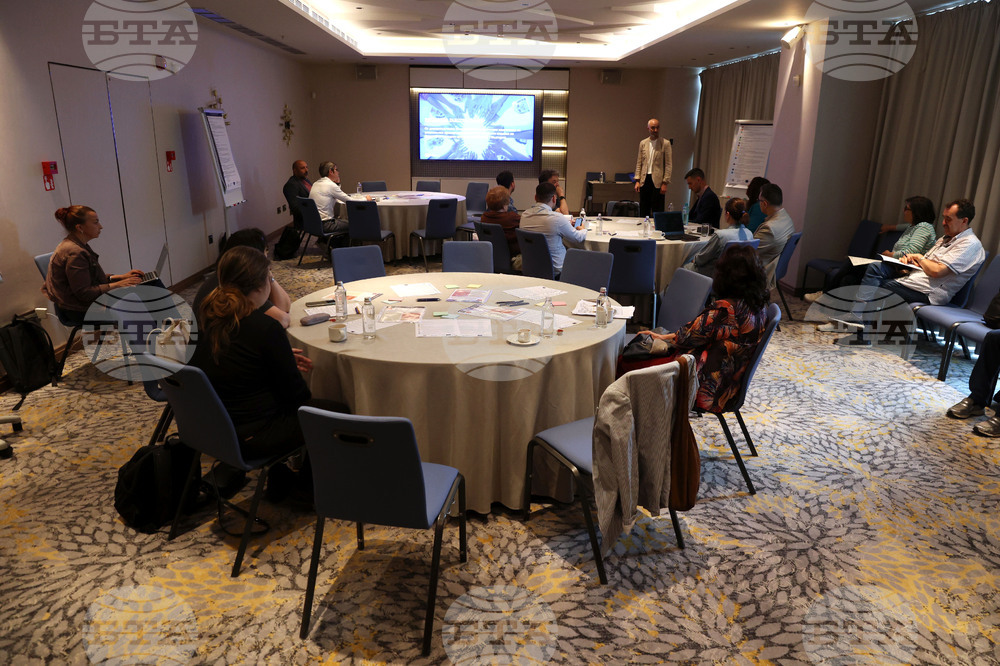
Bulgaria is among the countries where high exposure to cancer risk factors is combined with relatively limited resources for disease prevention and public health protection, Ivaylo Petrov, Chief Coordinator of the Bulgarian National Hub of the Mission on Cancer and a member of the Management Board of the Joint Cancer National Network (JCNN), said on Thursday during an expert working meeting on adapting and implementing the fifth edition of the European Code Against Cancer in Bulgaria.
The meeting was organized by the JCNN and brought together representatives of government institutions, academia and the scientific community, healthcare professionals, civil society and patient organizations, local authorities, the media, businesses and the innovation sector.
Bulgaria records 32,812 new cancer cases each year, while around 91,000 people diagnosed with cancer survive for at least five years, Petrov said. Annual cancer deaths in Bulgaria total nearly 18,800, he added.
According to Petrov, healthcare across the European Union is financed primarily through public funds, but wealthier Member States invest significantly more per capita. Out-of-pocket payments by patients account for nearly 34% of healthcare expenditure in Bulgaria, creating a structural financial barrier to timely prevention and equal access to care.
Bulgaria needs a permanent national framework for managing prevention based on shared national objectives and clearly defined institutional responsibilities, protected, sustainable and transparent funding, integrated indicators for prevention, vaccination and screening, regional and local implementation through municipalities, communities and primary healthcare, as well as annual public reporting, measurable outcomes and political accountability, Petrov said.
Radon is a proven carcinogen and the second leading cause of lung cancer after smoking, Petrov added. He said Bulgaria still lacks systematic monitoring and large-scale measures to reduce population exposure to radon.
Plovdiv Region is of particular importance because of its proximity to one of the country's main uranium deposits and the potentially increased risk of radon exposure. An analysis of local medical data identified the municipalities of Parvomay and Brezovo among those with a high incidence of lung cancer.
Average life expectancy in Bulgaria was six years lower than the EU average in 2025, according to data from the report Health Profile of Bulgaria 2025: Key Challenges and Opportunities for Cancer Prevention, Petrov added. Average life expectancy in Bulgaria stood at 75.9 years, compared with the EU average of 81.7 years, while Spain recorded the highest figure at 84.1 years, the data showed.
/IV/
Additional







news.modal.image.header
news.modal.image.text
news.modal.download.header
news.modal.download.text
news.modal.header
news.modal.text