Annual Conference of Bulgarian Ambassadors
![PM Radev Calls for Clear Vision, Consensus on Bulgaria's Foreign Policy Priorities]()
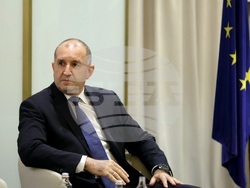
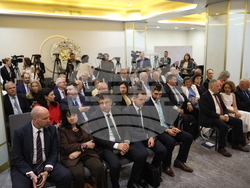
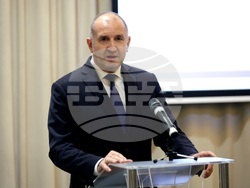
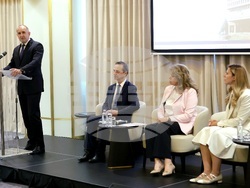
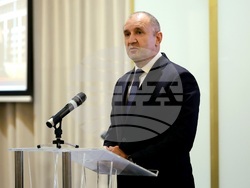
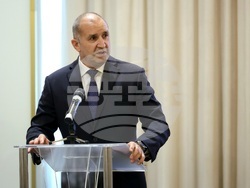
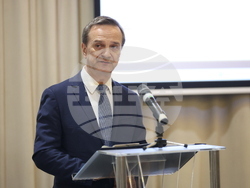
![PM Radev Calls for Clear Vision, Consensus on Bulgaria's Foreign Policy Priorities]() Prime Minister Rumen Radev at the annual conference with Bulgarian diplomats, Sofia, July 20, 2026 (BTA Photo/Blagoy Kirilov)
Prime Minister Rumen Radev at the annual conference with Bulgarian diplomats, Sofia, July 20, 2026 (BTA Photo/Blagoy Kirilov)
![Хотел „Интерконтинентал“ - посланици - годишна конференция]()
![Хотел „Интерконтинентал“ - посланици - годишна конференция]()
![Хотел „Интерконтинентал“ - посланици - годишна конференция]()
![Хотел „Интерконтинентал“ - посланици - годишна конференция]()
![Хотел „Интерконтинентал“ - посланици - годишна конференция]()
![Хотел „Интерконтинентал“ - посланици - годишна конференция]()
![Хотел „Интерконтинентал“ - посланици - годишна конференция]()
![Хотел „Интерконтинентал“ - посланици - годишна конференция]()
![Хотел „Интерконтинентал“ - посланици - годишна конференция]()
![Хотел „Интерконтинентал“ - посланици - годишна конференция]()
![Хотел „Интерконтинентал“ - посланици - годишна конференция]()
![Хотел „Интерконтинентал“ - посланици - годишна конференция]()
![Хотел „Интерконтинентал“ - посланици - годишна конференция]()
![Хотел „Интерконтинентал“ - посланици - годишна конференция]()
![Хотел „Интерконтинентал“ - посланици - годишна конференция]()
![Хотел „Интерконтинентал“ - посланици - годишна конференция]()
![Хотел „Интерконтинентал“ - посланици - годишна конференция]()
![Хотел „Интерконтинентал“ - посланици - годишна конференция]()
![Хотел „Интерконтинентал“ - посланици - годишна конференция]()
![Хотел „Интерконтинентал“ - посланици - годишна конференция]()
![Хотел „Интерконтинентал“ - посланици - годишна конференция]()
![Хотел „Интерконтинентал“ - посланици - годишна конференция]()
![Хотел „Интерконтинентал“ - посланици - годишна конференция]()
![Хотел „Интерконтинентал“ - посланици - годишна конференция]()
![Хотел „Интерконтинентал“ - посланици - годишна конференция]()
site.btaUPDATED PM Radev Calls for Clear Vision, Consensus on Bulgaria's Foreign Policy Priorities
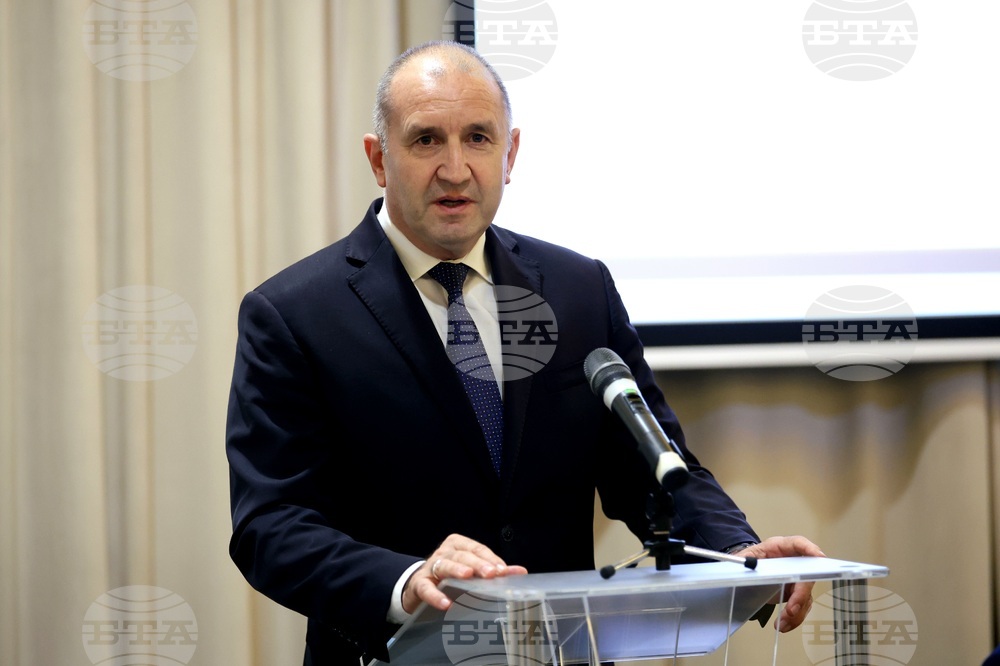
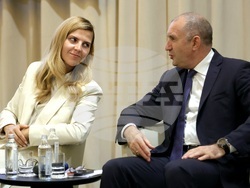
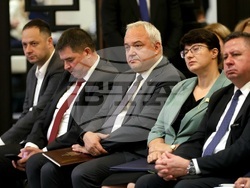
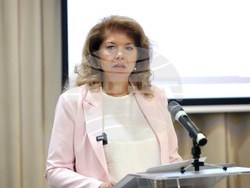
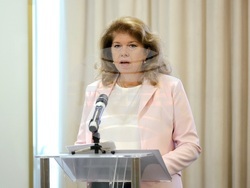
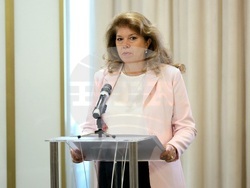
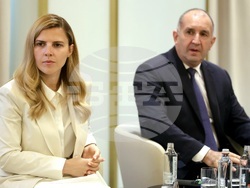
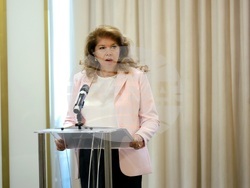
In the current complex geopolitical and regional environment, Bulgarian diplomacy is called upon to find solutions and formulate positions that it can uphold in various international formats and within the alliances of which it is a member, Prime Minister Rumen Radev said here on Monday at the opening of the Annual Conference of Bulgarian ambassadors, hosted by Foreign Minister Velislava Petrova.
"This requires a clear vision and priorities that are developed here and agreed upon through consensus among the country's institutions," the Prime Minister added. "We need a stable and flexible strategy for achieving these priorities, strong institutions, clear mechanisms, and a highly professional, well-trained and motivated diplomatic service. We have been working towards all of this over the years, but the challenges are growing, and so are the demands placed on us," Radev said.
According to him, ensuring national security is the top priority. "I expect that, alongside building modern defence capabilities and achieving greater operational interoperability within NATO, Bulgarian diplomacy will actively participate in all international forums aimed at securing a ceasefire and achieving peace in the conflicts around us, particularly in Ukraine," the Prime Minister said.
In his words, this war of attrition and destruction in the heart of Europe is constantly expanding its geographical scope, escalating, and posing unacceptable threats to peace and security, the economy, and social systems - and it must stop as soon as possible.
He expects Bulgarian diplomats to play an active role in openly expressing the country's national interest when it comes to achieving a ceasefire and peace. “When it comes to our national interest, every cause is worth fighting for,” the Prime Minister added.
Radev underscored the importance of leveraging the geopolitical and regional situation to achieve the goals of social and economic development. He described Bulgaria’s geography as a “powerful asset.” Bulgaria can be recognized as a destination for investment and connectivity, as well as a place where new opportunities can be discovered, he noted.
According to him, Bulgaria needs at least one more railway line to Türkiye. "We identified this as a priority during the caretaker government led by Galab Donev, and it is now becoming extremely relevant," the Prime Minister noted.
With regard to energy flows, Bulgaria has access to terminals in Greece and Türkiye for the transport of liquefied natural gas. "These are opportunities that I am certain we will need to make the best use of," the Prime Minister said.
In recent years, attracting investment and developing high-tech manufacturing and exports have been neglected. Only through strong Bulgarian diplomacy can this trend be reversed and transform it into one that attracts investment, Radev argued. According to him, Bulgaria can become one of the best places in the European Union for investment. "We have all the prerequisites to make this happen. This is at the core of our government programme and will be included in the 2027 budget. Only through joint efforts can this happen," he explained.
Thanks to the hard work of its diplomats, Bulgaria has achieved important national goals over the past decades, the Prime Minister went on to say. He highlighted the country’s membership in NATO, the European Union, the Schengen area, and the eurozone, and noted that he had had reservations and concerns about Bulgaria’s readiness to adopt the euro. These concerns have proven to be well-founded in light of everything that is currently happening with prices, especially for food and services, Radev believes.
"We must realize what kind of world we live in. We are rapidly entering an unstable and conflict-ridden transition toward a multipolar world. Interests are not hidden behind values, and existing rules and systems are collapsing before new ones can be established in their place," the head of government added. In his words, the agenda is increasingly dominated by the United States, China, and Russia. Clearly, a series of further clashes - military, economic, and technological - lie ahead as spheres of influence are redrawn.
Radev said further that the countries which most strongly adhere to the principles of international law, liberal democracy, and the open market economy - as well as to the pursuit of a climate-neutral and green future - are the ones most severely affected by the new geopolitical “fault lines.” Bulgaria's allies and partners are increasingly prioritizing their national interests and issues that guarantee their national security, he added.
The staff of the Ministry of Foreign Affairs and the diplomatic missions were larger years ago. “We will need to expand our diplomatic missions abroad, in regions where we have a direct national interest,” Radev noted. With regard to staffing in recent decades, Radev explained that very often people without experience or the necessary qualifications displaced career diplomats from important positions solely for political reasons. This has affected the recruitment and attraction of young people to the service, as well as the retention of staff with high professional and ethical standards. The Government will work toward addressing this, the Prime Minister said. He also noted the issue of pay in the sector.
/MY/
Additional




news.modal.image.header
news.modal.image.text
news.modal.download.header
news.modal.download.text
news.modal.header
news.modal.text