Wrap-up
![Bulgarian, Romanian Scientists Pledge Closer Antarctic Cooperation at Polar Symposium in Constanta]()
![Bulgarian, Romanian Scientists Pledge Closer Antarctic Cooperation at Polar Symposium in Constanta]() Family photo of the forum's participants (BTA Photo/Ilko Valkov)
Family photo of the forum's participants (BTA Photo/Ilko Valkov)
![Румъния - Констанца - симпозиум - България - учени]()
![Румъния - Констанца - симпозиум - България - учени]()
![Румъния - Констанца - симпозиум - България - учени]()
![Румъния - Констанца - симпозиум - България - учени]()
![Румъния - Констанца - симпозиум - България - учени]()
![Румъния - Констанца - симпозиум - България - учени]()
![Румъния - Констанца - симпозиум - България - учени]()
![Румъния - Констанца - симпозиум - България - учени]()
![Румъния - Констанца - симпозиум - България - учени]()
![Румъния - Констанца - симпозиум - България - учени]()
![Румъния - Констанца - симпозиум - България - учени]()
![Румъния - Констанца - симпозиум - България - учени]()
![Румъния - Констанца - симпозиум - България - учени]()
![Румъния - Констанца - симпозиум - България - учени]()
![Румъния - Констанца - симпозиум - България - учени]()
![Румъния - Констанца - симпозиум - България - учени]()
![Румъния - Констанца - симпозиум - България - учени]()
![Румъния - Констанца - симпозиум - България - учени]()
![Румъния - Констанца - симпозиум - България - учени]()
![Румъния - Констанца - симпозиум - България - учени]()
![Румъния - Констанца - симпозиум - България - учени]()
![Румъния - Констанца - симпозиум - България - учени]()
![Румъния - Констанца - симпозиум - България - учени]()
![Румъния - Констанца - симпозиум - България - учени]()
![Румъния - Констанца - симпозиум - България - учени]()
![Румъния - Констанца - симпозиум - България - учени]()
![Румъния - Констанца - симпозиум - България - учени]()
![Румъния - Констанца - симпозиум - България - учени]()
![Румъния - Констанца - симпозиум - България - учени]()
![Румъния - Констанца - симпозиум - България - учени]()
![Румъния - Констанца - симпозиум - България - учени]()
![Румъния - Констанца - симпозиум - България - учени]()
![Румъния - Констанца - симпозиум - България - учени]()
![Румъния - Констанца - симпозиум - България - учени]()
![Румъния - Констанца - симпозиум - България - учени]()
![Румъния - Констанца - симпозиум - България - учени]()
![Румъния - Констанца - симпозиум - България - учени]()
![Румъния - Констанца - симпозиум - България - учени]()
![Румъния - Констанца - симпозиум - България - учени]()
![Румъния - Констанца - симпозиум - България - учени]()
![Румъния - Констанца - симпозиум - България - учени]()
![Румъния - Констанца - симпозиум - България - учени]()
![Румъния - Констанца - симпозиум - България - учени]()
![Румъния - Констанца - симпозиум - България - учени]()
![Румъния - Констанца - симпозиум - България - учени]()
![Румъния - Констанца - симпозиум - България - учени]()
![Румъния - Констанца - симпозиум - България - учени]()
![Румъния - Констанца - симпозиум - България - учени]()
![Румъния - Констанца - симпозиум - България - учени]()
![Румъния - Констанца - симпозиум - България - учени]()
![Румъния - Констанца - симпозиум - България - учени]()
![Румъния - Констанца - симпозиум - България - учени]()
![Румъния - Констанца - симпозиум - България - учени]()
![Румъния - Констанца - симпозиум - България - учени]()
![Румъния - Констанца - симпозиум - България - учени]()
![Румъния - Констанца - симпозиум - България - учени]()
![Румъния - Констанца - симпозиум - България - учени]()
![Румъния - Констанца - симпозиум - България - учени]()
![Румъния - Констанца - симпозиум - България - учени]()
![Румъния - Констанца - симпозиум - България - учени]()
![Румъния - Констанца - симпозиум - България - учени]()
![Румъния - Констанца - симпозиум - България - учени]()
![Румъния - Констанца - симпозиум - България - учени]()
![Румъния - Констанца - симпозиум - България - учени]()
![Румъния - Констанца - симпозиум - България - учени]()
![Румъния - Констанца - симпозиум - България - учени]()
![Румъния - Констанца - симпозиум - България - учени]()
![Румъния - Констанца - симпозиум - България - учени]()
![Румъния - Констанца - симпозиум - България - учени]()
![Румъния - Констанца - симпозиум - България - учени]()
![Румъния - Констанца - симпозиум - България - учени]()
![Румъния - Констанца - симпозиум - България - учени]()
![Румъния - Констанца - симпозиум - България - учени]()
![Румъния - Констанца - симпозиум - България - учени]()
![Румъния - Констанца - симпозиум - България - учени]()
![Румъния - Констанца - симпозиум - България - учени]()
![Румъния - Констанца - симпозиум - България - учени]()
![Румъния - Констанца - симпозиум - България - учени]()
![Румъния - Констанца - симпозиум - България - учени]()
![Румъния - Констанца - симпозиум - България - учени]()
![Румъния - Констанца - симпозиум - България - учени]()
![Румъния - Констанца - симпозиум - България - учени]()
![Румъния - Констанца - симпозиум - България - учени]()
![Румъния - Констанца - симпозиум - България - учени]()
![Румъния - Констанца - симпозиум - България - учени]()
![Румъния - Констанца - симпозиум - България - учени]()
![Румъния - Констанца - симпозиум - България - учени]()
![Румъния - Констанца - симпозиум - България - учени]()
![Румъния - Констанца - симпозиум - България - учени]()
![Румъния - Констанца - симпозиум - България - учени]()
![Румъния - Констанца - симпозиум - България - учени]()
![Румъния - Констанца - симпозиум - България - учени]()
![Румъния - Констанца - симпозиум - България - учени]()
site.btaBulgarian, Romanian Scientists Pledge Closer Antarctic Cooperation at Polar Symposium in Constanta
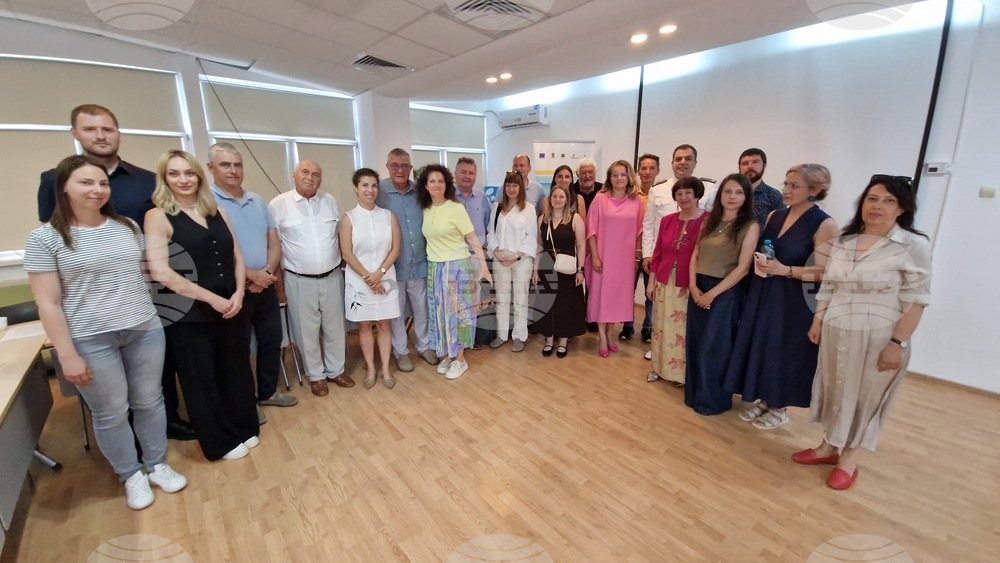
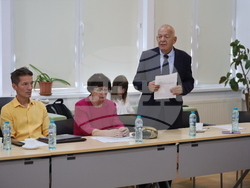
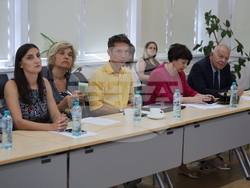
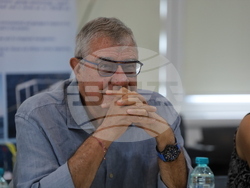
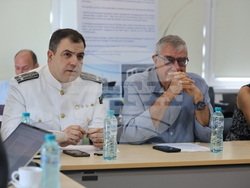
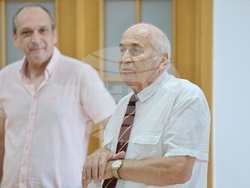
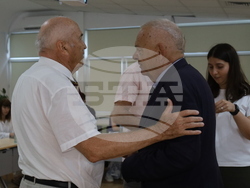
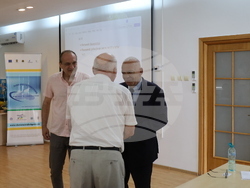
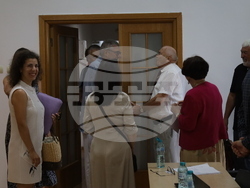
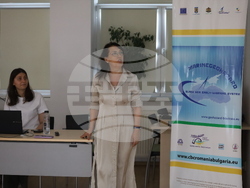
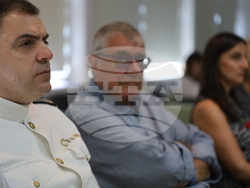
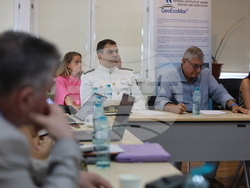
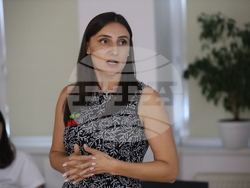
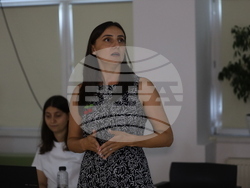
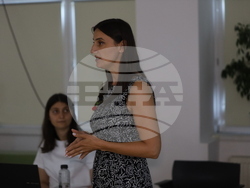
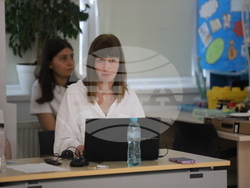
The Bulgarian-Romanian Symposium on Scientific Research in Antarctica, held the Romanian city of Constanta on Wednesday, concluded with a group photo and a shared commitment to deepen scientific cooperation between the two countries.
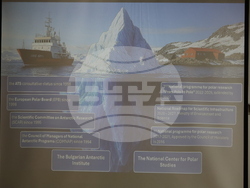
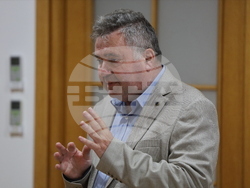
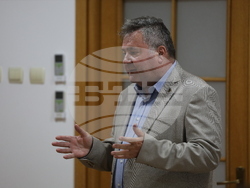
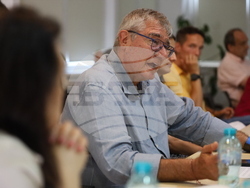
During the discussions, Bulgarian Antarctic Institute President Prof. Christo Pimpirev invited Romanian researchers to join Bulgaria's 35th Antarctic Expedition and work alongside their Bulgarian colleagues. He noted that the Bulgarian Antarctic Institute was established in 1993, while its Romanian counterpart was founded a year later.
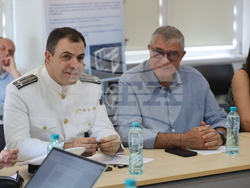
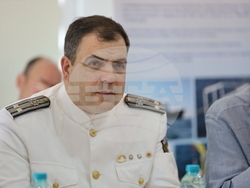
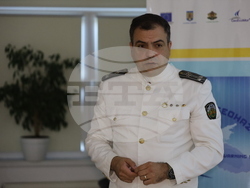
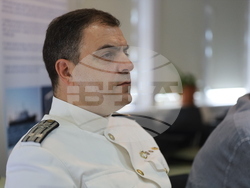
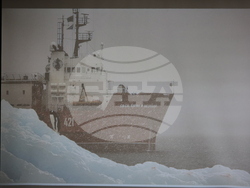
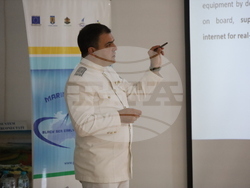
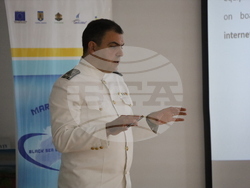
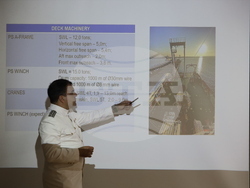
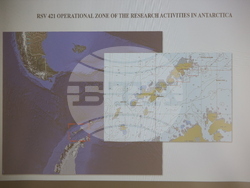
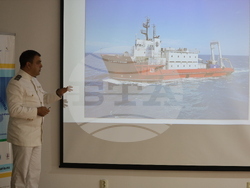
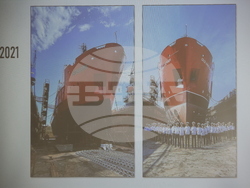
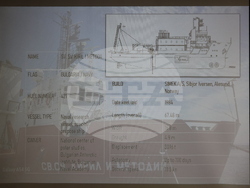
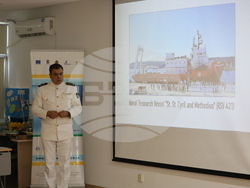
"Bulgarian and Romanian scientists work together because we are NATO allies, joined the EU together, and now it is time to work together in Antarctica," said Capt. Nikolay Danailov of the Nikola Vaptsarov Naval Academy in Varna, who is also commanding officer of Bulgaria's research vessel Sv. Sv. Kiril i Metodii (RSV 421). He praised the strong naval cooperation between the two countries.
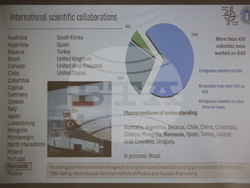
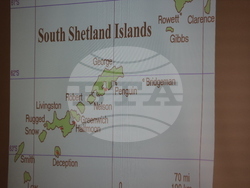
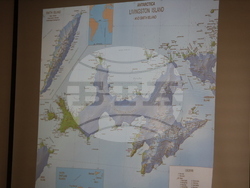
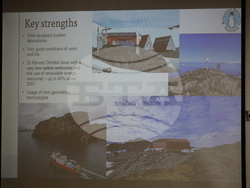
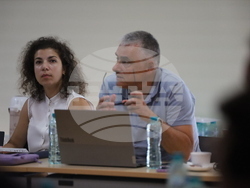
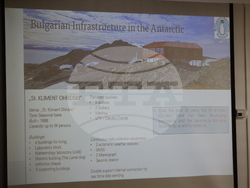
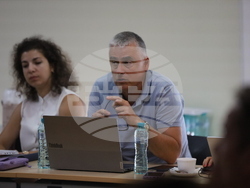
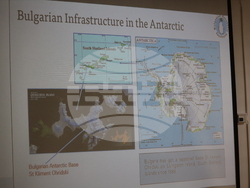
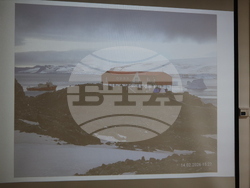
Rositsa Yaneva, head of the Science Department at the National Centre for Polar Studies, said that more than 450 scientists had worked at Bulgaria's St. Kliment Ohridski Antarctic Base on Livingston Island over the past three decades. She added that the acquisition of the research vessel Sv. Sv. Kiril i Metodii had expanded both the geographical scope of Bulgaria's Antarctic research and the range of scientific disciplines pursued.
National Centre for Polar Studies Deputy Director Dragomir Mateev, said that the Bulgarian Antarctic base offers modern research facilities and is well suited for expanding international scientific cooperation.
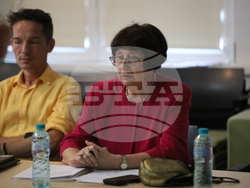
Antarctic researchers need to learn how to work in teams with colleagues from other countries in order to achieve clear and robust scientific results, said Prof. Tudor Prisecaru, Vice President of the Antarctic Research Commission of the Romanian Academy. He described Antarctica as an open field for all branches of scientific research and expressed hope that greater funding opportunities would become available next year for joint Bulgarian-Romanian projects.
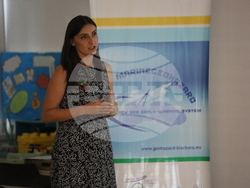
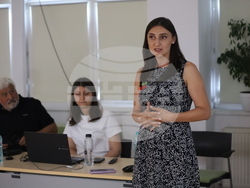
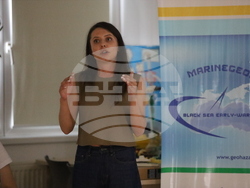
Among the scientific presentations, Raina Hristova of the Varna Institute of Oceanology under the Bulgarian Academy of Sciences presented a project on the integrated study of sediments, biota and water in the coastal marine ecosystem around the Bulgarian Antarctic base on Livingston Island.
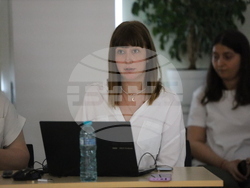
Corina Itcus of the Romanian Academy's Institute of Biology spoke about the first Romanian musicians to visit Antarctica, saying the initiative seeks to encourage not only scientists but also musicians, artists and people from other fields to experience the continent and contribute to a broader public understanding of Antarctica.
Daniela Pascal of Romania's Horia Hulubei National Institute for Research and Development in Physics and Nuclear Engineering outlined progress on a joint surface-exposure dating project launched in 2024 following the signing of a scientific cooperation memorandum between her institute and the Bulgarian Antarctic Institute. She described it as Romania's first project dedicated to cosmogenic nuclide dating and expressed confidence that cooperation with Bulgarian researchers would continue over the long term.
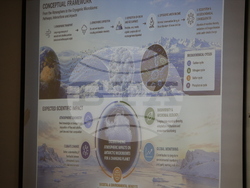
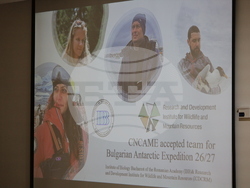
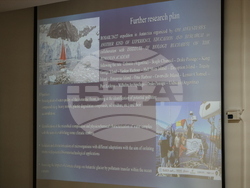
A similar message was delivered by Agnes Keresztesi of Romania's the National Research and Development Institute for Management of Wildlife and Mountain Resources, who presented a joint project with the Bulgarian Antarctic Institute proposed by the Romanian Academy's Institute of Biology Bucharest. The project examines the impact of atmospherically transported ultrafine particulate matter on cryogenic microbial communities in the surface ice and snow of Livingston Island.
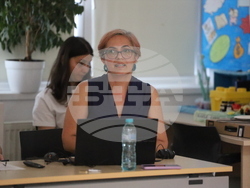
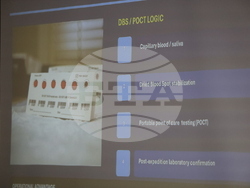
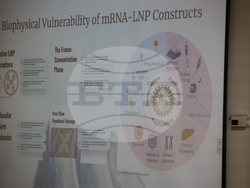
Constanta-based ecologist and marine biologist Viorel Dumitru Gavril presented research on the distribution of microplastics in Antarctica. Alice-Georgiana Stoica of Romania's National Institute for Research and Development in Biological Sciences introduced a project on biologically inspired cryopreservation based on the adaptive mechanisms of Antarctic extremophiles for stabilising biopharmaceutical products.
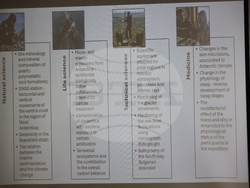
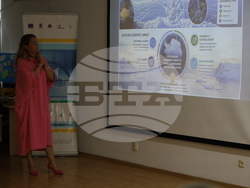
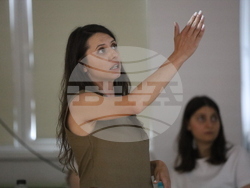
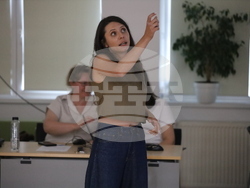
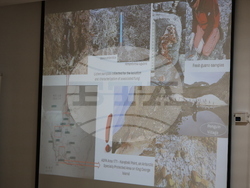
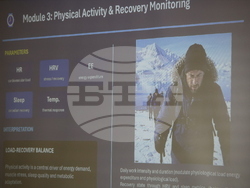
Roxana Utoiu, also of the National Institute for Research and Development in Biological Sciences, presented research on human adaptation to Antarctica, describing the continent as an exceptional natural laboratory because it combines several extreme stress factors, including severe cold, isolation, sleep disruption, energy imbalance and intense physical exertion.
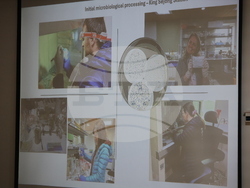
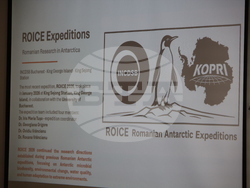
The symposium concluded with a presentation by Iris Maria Tusa of the same Institute, who shared the experience of ROICE 2026, Romania's fifth Antarctic scientific expedition, conducted at South Korea's King Sejong Station between January 24 and February 14 this year.
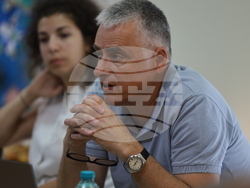
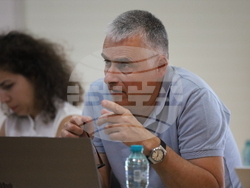
Bulgarian Ambassador to Romania Radko Vlaykov attended the event as a special guest. He expressed hope that bilateral cooperation in Antarctic research would continue to expand and acquire an even stronger practical dimension.
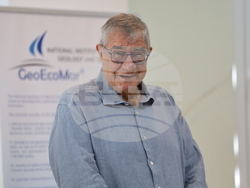
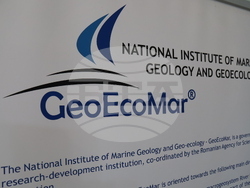
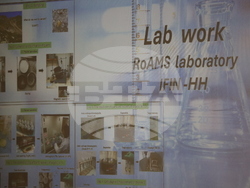
The Bulgarian News Agency was the only Bulgarian media outlet covering the symposium. As part of the programme, participants toured the laboratories of the Constanta branch of Romania's National Institute for Research and Development on Marine Geology and Geoecology (GeoEcoMar).
/MY/
Additional
news.modal.image.header
news.modal.image.text
news.modal.download.header
news.modal.download.text
news.modal.header
news.modal.text