site.btaJudicial Council Plenum Adopts Decision on Restricted Access to Certain Case Files
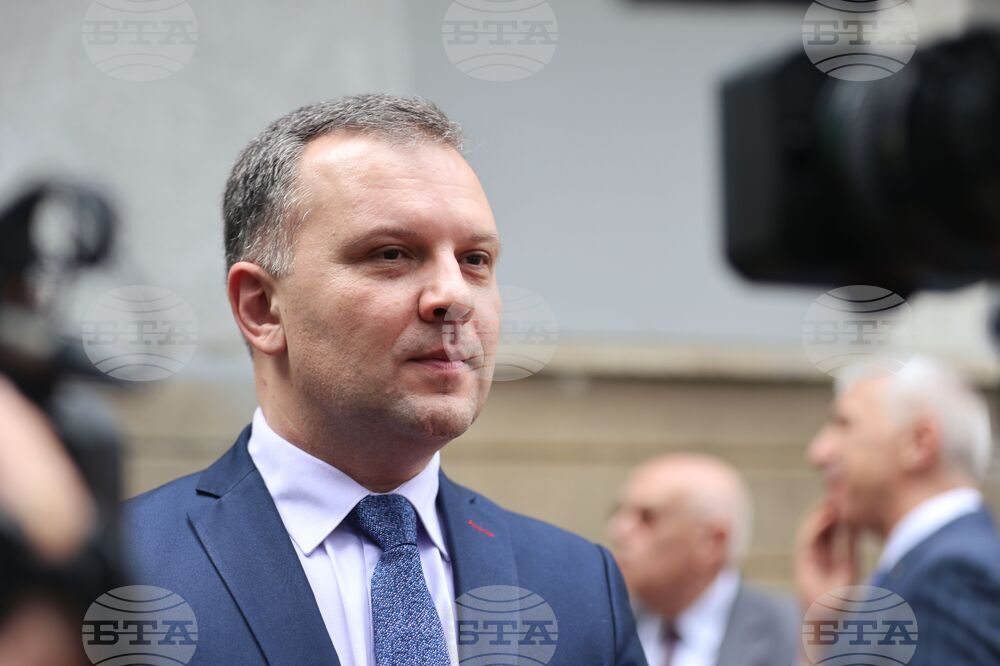
The Plenum of the Supreme Judicial Council (SJC) adopted a decision on Thursday instructing courts to immediately mark certain categories of cases as "restricted access". Case files in some proceedings will not be public, while in other cases only the operative parts of the judgments will be accessible, without their reasoning, the Justice Ministry said.
The SJC also instructed judges that, at their discretion, they may mark other cases containing sensitive information as having restricted access.
The issue was raised for discussion by Justice Minister Nikolay Naydenov and concerned lawyers' almost unrestricted access through the Unified Portal for E-Justice to cases in which they are not procedural representatives. Naydenov called on SJC members to hold a debate and take decisions if they consider that there is a problem. The over four-hour debate was prompted by numerous alerts received by the Justice Ministry, as well as by the public reaction to the matter. The debate was joined by the Supreme Bar Council and representatives of Information Services AD.
The alerts followed an announcement by the Supreme Bar Council that, as of May 27, all lawyers have access through the Unified Portal for E-Justice to all court cases, in accordance with Article 31 of the Bar Act, except for cases containing specific sensitive information, including adoption proceedings, trade secrets, security proceedings and others. The reactions were strong and were summed up in publications with headlines such as: "Lawyer Petyo 'the Euro' Petrov Now Has Access to Every Electronic Court Case".
A former investigating magistrate, Petrov is a power broker in a criminal network for influencing the Bulgarian judiciary. He is currently a fugitive from justice.
On May 21, the Sofia City Court found former investigating magistrate Petyo Petrov guilty of document forgery and fined him EUR 2,556, releasing him from criminal responsibility. The court also vacated the order on his indefinite detention and revoked the European Arrest Warrant issued for him.
Naydenov told the SJC that he had personally attended a test which showed that full access to an electronic case file and the documents it contains, including unredacted personal data, was possible, with documents freely available for download.
The Justice Minister was adamant that he had initiated the discussion not to deny the legally regulated right of lawyers to access case files, and even less to argue for such a restriction. However, when there is a real risk of citizens' personal data being leaked through electronic justice mechanisms, this undermines trust in justice as a whole. He also stressed that the right of access to justice is not opposed to the protection of personal data under EUlegislation, including the GDPR.
The Supreme Bar Council said that it is about to adopt explicit rules on access to electronic case files, as well as amendments to the Code of Ethics.
Before the SJC Plenum meeting, the Justice Minister told the media that things at the SJC had been frozen over the past four years. He said that in the past three weeks, during which Parliament had allowed all interested parties to submit opinions on the procedure for electing a new SJC, enough opinions had been received to be discussed and analyzed so that no hasty decisions would be adopted. He added that a committee in the National Assembly will examine the opinions next week.
/КТ/
news.modal.header
news.modal.text