site.btaBTA Director General: Pencho Slaveykov Exemplifies Ideal Modern Person
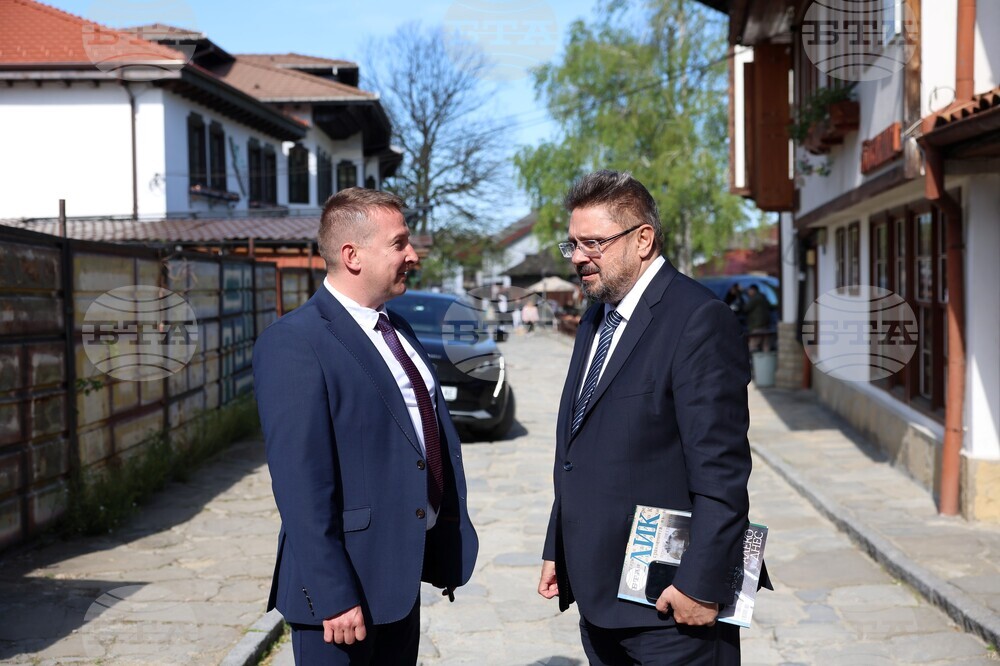
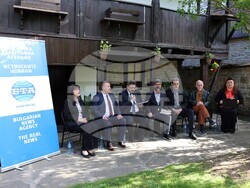
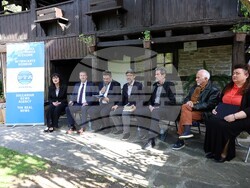
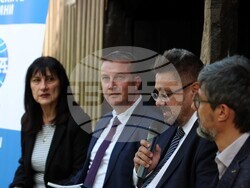
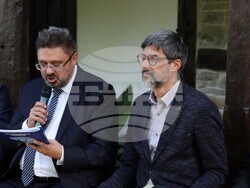
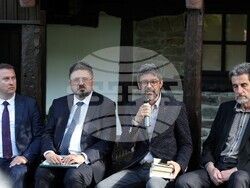
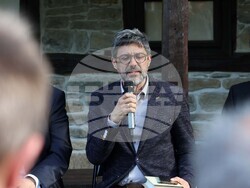
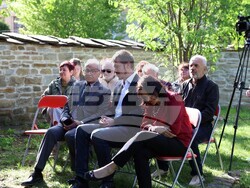
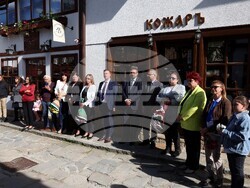
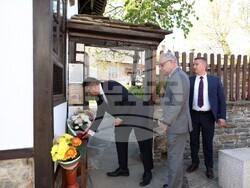
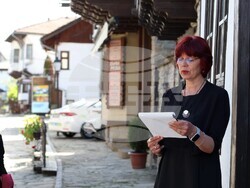
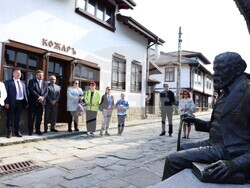
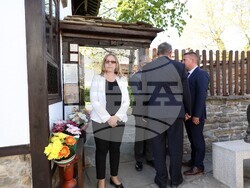
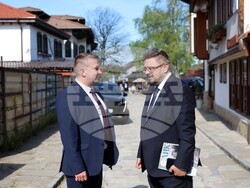
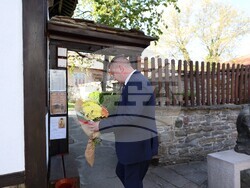
Pencho Slaveykov offers a model of what the modern person should look like, namely open to new ideas, said BTA Director General Kiril Valchev at the launch of a national initiative marking the poet’s 160th anniversary in Tryavna on Monday.
Valchev emphasized that the project will reach all 33 BTA national press clubs and will include discussions with scholars, students, writers, journalists, and public figures, aiming to preserve today’s memory of the poet. A special issue of BTA’s LIK magazine will also reflect these conversations, continuing a similar effort dedicated to Bulgarian writer Aleko Konstantinov (1863-1897).
Pencho Slaveykov, a key figure in Bulgarian modernism and member of the Misul [Thought] literary circle, promoted modernization through education and openness to the world, influenced by his studies in Leipzig, Valchev pointed out. The discussions will explore what it means to be modern today, just as past talks examined Aleko Konstantinov's characters as mirrors of national traits.
Valchev noted that Slaveykov shows that being modern means embracing new ideas while pursuing spiritual growth and universal values, without rejecting national identity or tradition. "His life and work were shaped by his father Petko Slaveykov and Bulgaria’s liberation struggles, reflected in his unfinished epic Karvava Pesen (Bloodied Song), about the April Uprising", added Valchev, who also recalled that Pencho Slaveykov was even nominated for a Nobel Prize in 1912.
Valchev noted that these initiatives show Bulgarians can honor their cultural leaders continuously, not just on anniversaries, and expressed hope that the discussions will extend beyond institutions to reveal the boundless nature of the human spirit.
Pencho Slaveykov (born April 27, 1866 in Tryavna) was the youngest son of distinguished poet Petko Slaveykov. In 1884, at the age of seventeen, he became seriously ill and was left with lifelong physical impairments affecting his speech, writing, and mobility, forcing him to use a cane. He later came to see his suffering as a “great teacher”, which strongly shaped his creative outlook.
His worldview and work were influenced by Henrik Ibsen, Heinrich Heine, and Friedrich Nietzsche. He developed both intimate lyrical poetry and socio-critical works, including poems written in opposition to the rule of Stefan Stambolov, which reinforced his democratic ideals. His first collection, Lilies of the Valley (“Momini Sulzi”), reflects early Heine influence.
In 1892 he studied philosophy in Leipzig, where he took part in cultural life, contributed to Bulgarian literary magazines, and worked on epic poetry such as Blood-Stained Song. After returning to Bulgaria in 1898, he worked as a teacher, librarian, and later director of the National Library and the National Theatre, and was closely connected with the Misul literary circle.
In 1911 he left Bulgaria, lived in Switzerland and Italy, and died in Brunate on May 28, 1912. His remains were later returned to Bulgaria in 1921.
/MY/
Additional


news.modal.image.header
news.modal.image.text
news.modal.download.header
news.modal.download.text
news.modal.header
news.modal.text