site.btaRomania Faces Labour Shortage Risk as Middle East Conflict Disrupts Arrival of Asian Workers
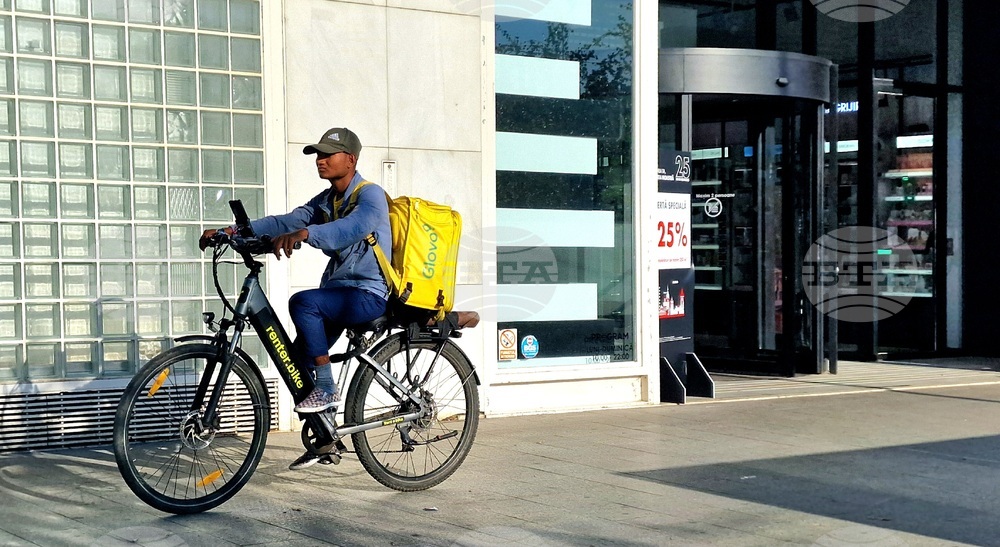
The conflict in the Middle East is already affecting Romania’s labour market, local media report. Vital sectors such as construction, manufacturing and hospitality are being directly impacted by a massive air blockade caused by escalating tensions in the Persian Gulf, Digi24 reported. Foreign workers from Asian countries with contracts in Romania are increasingly unable to honour them due to cancelled flights and sharply rising air ticket prices, according to PRO TV.
The Romanian Employers' Federation of Labour Force Importers has warned of a looming crisis, with hundreds of workers stranded at transit hubs and Romanian companies that depend on them facing potential disruptions to ongoing projects.
The Federation's President, Romulus Badea, said the situation is serious because hubs in the Persian Gulf were the main transit gateways for workers arriving from Sri Lanka, Nepal, India and Indonesia, the countries from which Romania imports the largest number of workers for construction, industrial production and services. “Usually several thousand new workers arrive every month, and the blocking of these routes practically breaks the labour supply chain,” he noted.
Badea said that last year an average of 6,000 workers arrived in Romania each month, more than 60% of them from Asian countries. “If the conflict continues, we will look with concern at the summer season and at Romanian tourism in general, not only at the seaside,” he warned.
Alternative routes are being sought, but no budgets have been planned for detours around the conflict zone, and ticket prices are three times higher. In some cases, they reach EUR 4,000 per person.
“What the Romanian government could do is extend the visas of foreign workers that are about to expire. The situation is not the fault of the worker, the employer or the State. If the visa expires, the procedure starts from the beginning and takes a whole year. This means that the worker could arrive in Romania only at the beginning of 2027. This is a dramatic scenario for both the employer and the worker. We hope that the Ministry of Foreign Affairs and the General Inspectorate for Immigration will find mechanisms to extend visas or revalidate them,” Badea said.
/MY/
news.modal.header
news.modal.text