site.btaQ4 Property Prices in Bulgaria Up 15% Y/Y
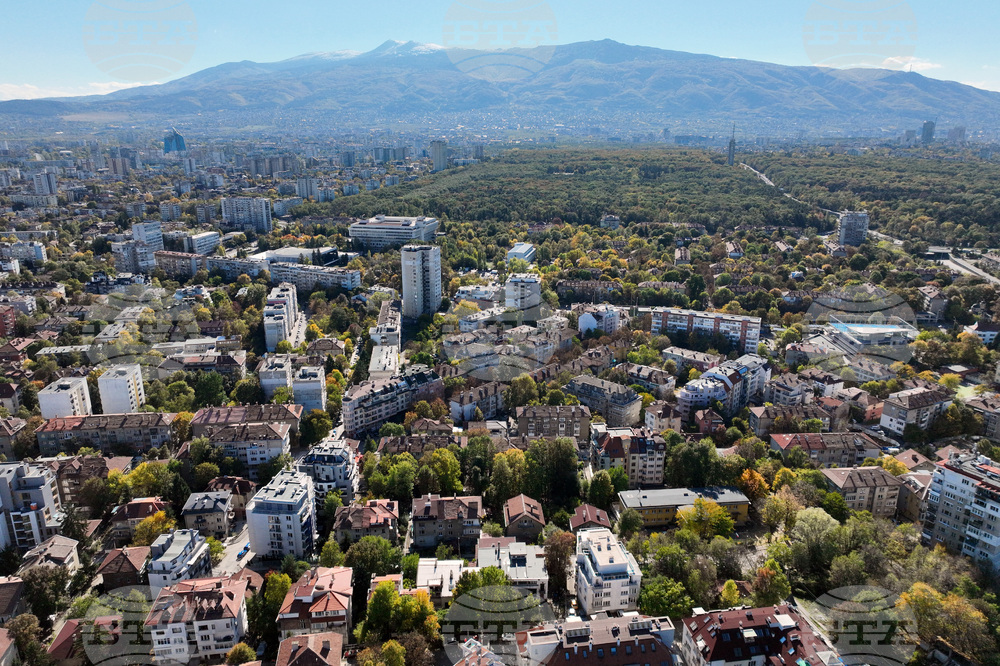
The Bulgarian housing market is showing exceptionally strong activity ahead of the country’s adoption of the euro, according to Sorenda Real Estate analysis, released on Monday. In the fourth quarter of 2025, housing prices in Bulgaria increased by more than 15% year-on-year, marking the second-largest rise in the EU after Portugal, the company’s data showed.
Over the past 15 years, prices have increased by 133%. The main drivers behind the rise are strong demand and limited quality supply, especially in Sofia, the analysis noted.
Building permits issued in the third quarter of 2025 exceeded 13,500, one of the highest figures since 2007. While the number of permits for new residential buildings increased by 8.5%, the number of dwellings rose by nearly 46.9%, and the total built-up area by more than 32%. This trend indicates the emergence of larger and denser projects, reflecting investor expectations of stable demand and an upward construction cycle, though permits do not guarantee that construction will begin. Construction output increased by 9.7% year-on-year in September, placing Bulgaria fifth in the EU on this indicator, according to Eurostat.
Sorenda noted that the shortage of quality plots and the administrative burden linked to detailed development plans remain key constraints for the market. Prices in high-quality residential complexes now exceed EUR 2,300-2,500 per sq m, while individual properties are reaching EUR 700,000. This is attributed to limited land availability and rising construction material costs.
According to the analysis, Bulgaria’s entry into the eurozone will release BGN 13-14 billion in liquidity through a reduction of banks’ minimum reserve requirements from 12% to 1%. This is expected to intensify competition among banks and make mortgage financing more predictable, though it will not result in widespread “cheap loans”. Bulgaria already has some of the lowest mortgage rates in the EU, at around 2.5-3%. These are expected to remain stable, with a gradual shift toward more fixed or hybrid products after 2026. Borrowers are likely to opt for long-term security, following the example of Croatia, the experts said.
The quality of construction will be a key factor in the coming years. More than 70% of housing in Sofia is over 30 years old and has low energy efficiency, the analysis pointed out. As a result, buyers are increasingly turning to new construction, leading to a natural differentiation between modern and outdated properties. Sorenda forecasted that this will slow the pace of price growth, though it will remain positive and closer to income growth. Sales cycles are expected to become longer, and project completion timelines to stretch to 1.5-2 years.
Croatia’s experience is cited as an example: prices accelerated before the introduction of the euro, then stabilized afterwards, while transactions remained active thanks to reduced currency risk and increased foreign-buyer interest. Bulgaria can expect similar effects, more foreign investors in Sofia, Plovdiv and Varna, in key resorts, and in the rental property segment, provided the administrative environment becomes more transparent and predictable.
In conclusion, Sorenda pointed out that the market is not entering a bubble but a new cycle marked by more mature demand, fixed-rate loans, longer project timelines, and a clear distinction between quality new construction and the ageing housing stock. A gradual transition from rapid to sustainable growth is expected, with property values increasingly driven by quality, infrastructure and long-term functionality rather than short-term market sentiment.
/MR/
news.modal.header
news.modal.text