site.btaUPDATED Municipalities Push for Fiscal Decentralization amid Fiscal Constraints
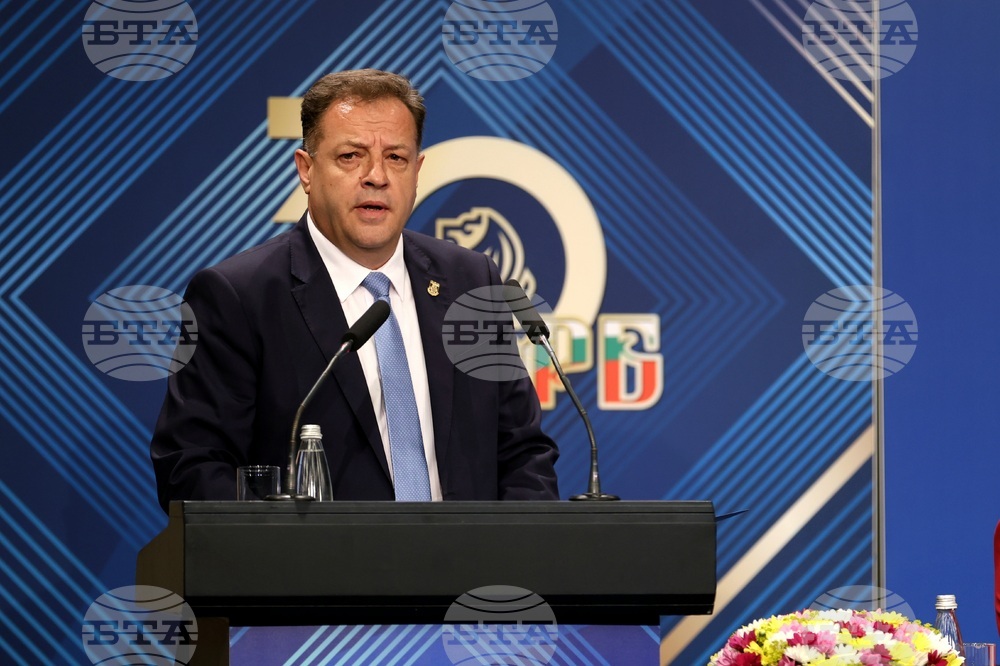
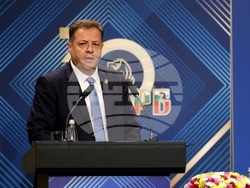
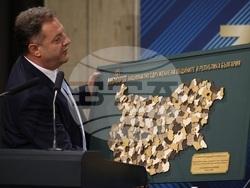
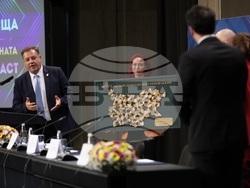
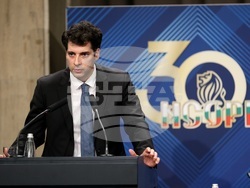
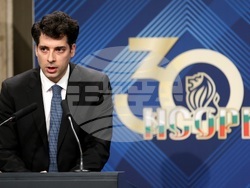
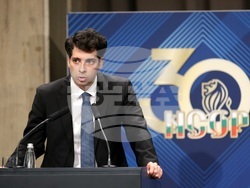
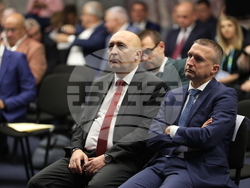
Bulgaria's municipalities are calling for a gradual transfer of financial powers from the central government to local authorities, arguing that fiscal decentralization is essential for regional development and more effective public administration. Speaking at the opening of the National Meeting of Local and Central Executive Authorities in Sofia, Daniel Panov, Chairman of the Managing Board of the National Association of Municipalities in the Republic of Bulgaria (NAMRB) and Mayor of Veliko Tarnovo, said local governments are not seeking increased spending but a new governance model that places resources closer to citizens and local communities.
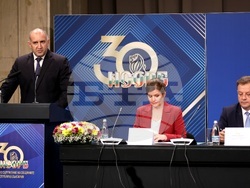
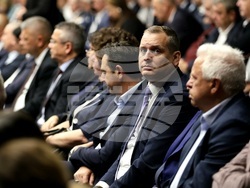
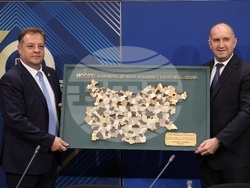
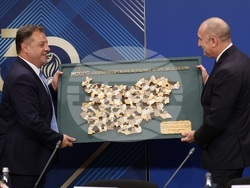
The forum brought together more than 200 mayors from across Bulgaria and forms part of the commemorative events marking the 30th anniversary of the National Association of Municipalities in the Republic of Bulgaria (NAMRB). The anniversary initiatives will continue throughout 2026.
"We are not coming with demands for more spending, but with proposals for a better model of governance through real, phased financial decentralization," Panov said.
Under NAMRB's proposal for the 2026–2030 period, municipalities would receive a share of personal income tax revenues, with Panov suggesting the gradual transfer of 20% of personal income tax receipts alongside an equalization mechanism to support smaller municipalities. He also called for a mandatory principle that any new responsibilities assigned to local governments must be accompanied by adequate funding and an assessment of their impact on municipal budgets.
Panov argued that municipalities cannot remain dependent on annual negotiations with central authorities to address local issues. "Part of the taxes paid by our citizens should remain and be invested where people live," he said.
The push for decentralization comes as Bulgaria enters what Panov described as a period of fiscal discipline and budgetary responsibility. He said municipalities fully understand the pressures on public finances and the constraints facing the state budget, including concerns raised by the European Commission over Bulgaria's fiscal position.
According to Panov, the case for reform is reinforced by a recent European Commission assessment that identified limited local-government autonomy and Bulgaria's highly centralized fiscal system as obstacles to regional development and competitiveness.
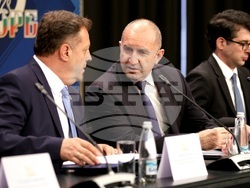
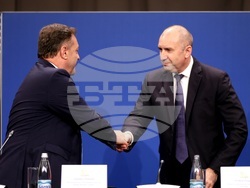
Addressing Prime Minister Rumen Radev, who attended the forum, Panov said he hopes the government and municipalities can agree on a decentralization framework by the end of 2026, paving the way for the first concrete measures to take effect in 2027.
Turning to the attending government ministers, Panov called for an end to what he described as "bureaucratic thinking" in ministries and agencies, saying it slows decision-making and shifts responsibility away from the State. He urged officials to empower senior administrators to take real decisions instead of passing problems down the chain.
"Bureaucratic thinking is everywhere - in ministries, in water companies, in agencies. Teach them to make decisions - directors, department heads, deputy ministers - instead of dumping everything on you," Panov said, adding that mayors are increasingly under pressure due to political instability at national level.
He also pointed to ongoing disruptions in municipal projects and infrastructure, saying local authorities are often left to deal with unfinished works on the ground. "We cannot be told there is no money - money will be found. Even if borrowing has to increase to EUR 3.8 billion, the state will do it, but we cannot leave streets, pavements and people without water," he said.
/NF/
Additional





















news.modal.image.header
news.modal.image.text
news.modal.download.header
news.modal.download.text
news.modal.header
news.modal.text