Giro d’Italia in Bulgaria, Stage 3: the Route Comes to Life in Images Captured on Camera by BTA
Giro d’Italia in Bulgaria, Stage 3: the Route Comes to Life in Images Captured on Camera by BTA
Plovdiv is Bulgaria’s second-largest city. It is situated in the western part of the Upper Thracian Plain, straddling the River Maritsa. In 2019, Plovdiv was a European Capital of Culture together with the Italian city of Matera.
Plovdiv is older than Rome and Athens and is a contemporary of Troy and Mycenae. Together with Fayum (Egypt) and Sidon (Lebanon), Plovdiv is the world’s fifth oldest and Europe’s oldest continuously populated city. It is also among the Top Ten ancient cities attracting tourists, alongside Athens, Jerusalem, Byblos, Beirut, Aleppo, Damascus, Varanasi and Sidon, the Municipality of Plovdiv website says.
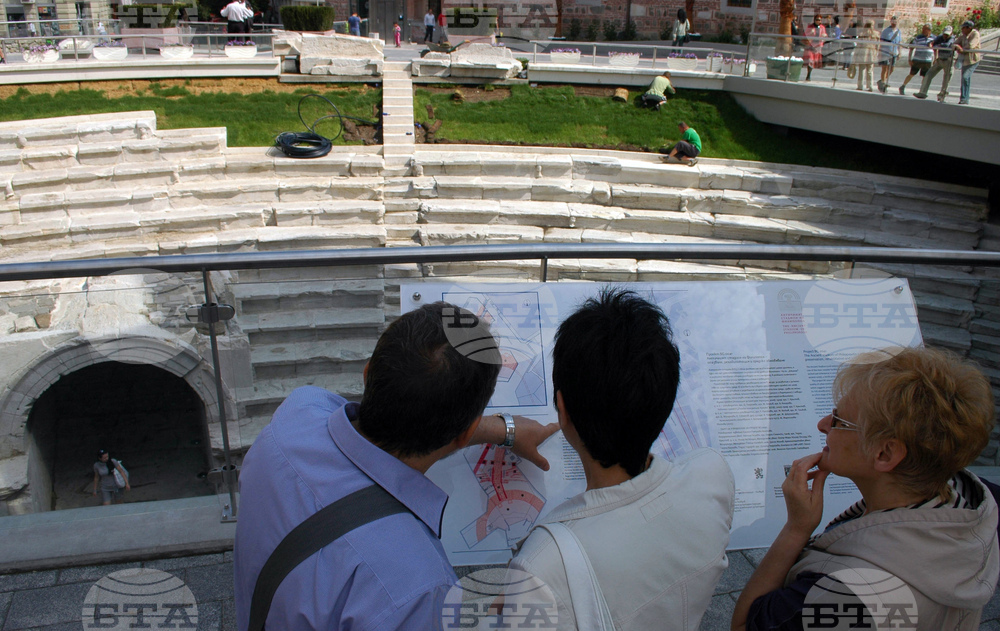
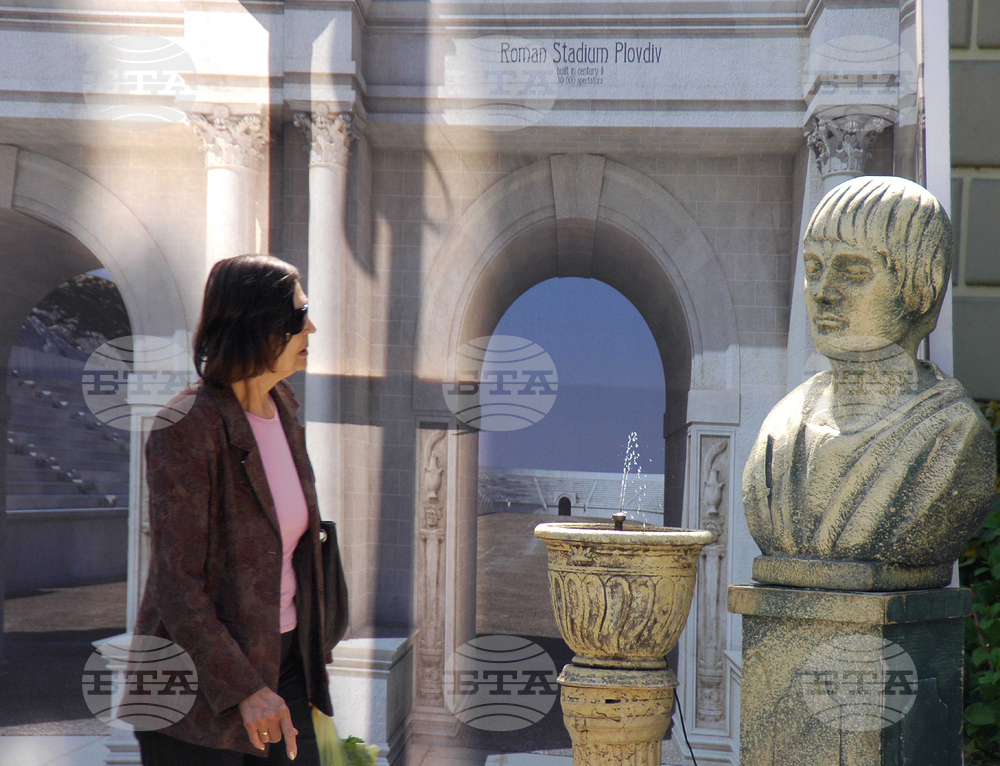
In Thracian times, Plovdiv was named Eumolpia. In the 4th century BCE, King Philip II incorporated it into the Macedonian Empire and gave it one of its most popular names: Philippopolis. After the Thracian lands were incorporated into the Roman Empire, the city became the capital of the Roman Province of Thrace, established in 46 CE. The Romans called it Trimontium because of its location on three hills. The Roman period (2nd - 4th c.) was a golden age for the city’s development. Bearing witness to this time are the Ancient Theatre, built in the 190s CE; the Roman Stadium from the 2nd c., which held around 30,000 spectators; and the Forum of ancient Trimontium from the 2nd c. – the largest complex of its kind, measuring approximately 100 by 112 metres.
The Eastern Gate of Philippopolis Archaeological Complex is located at the north-eastern foot of Plovdiv’s Three Hills (Nebet Tepe, Dzhambaz Tepe, and Taksim Tepe). Nearby is the Old Plovdiv Architectural and Historical Reserve. Old Plovdiv is famous for its houses from the Bulgarian Revival period, including the Hindliyan and Balabanov houses. In 1956 Old Plovdiv was designated an architectural and historical reserve, and in 2011 it was listed as an archaeological reserve.
The Episcopal Basilica of Philippopolis is this country’s largest early Christian church. It is located near the central square and the Catholic Cathedral of St Louis. The Basilica overbuilds the remains of an ancient structure, probably from the 1st c. After the church was abandoned, in the 10th - 12th c. a large Christian necropolis emerged on the site, with a cemetery church decorated with exquisite frescoes.
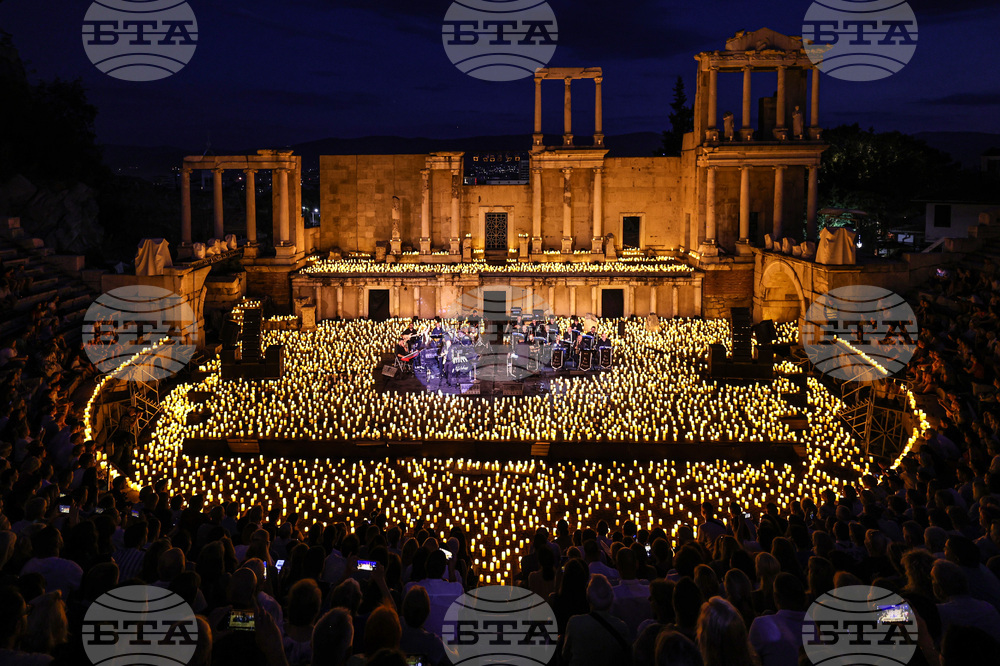
In 2013-2014, Plovdiv’s popular Kapana Neighbourdhood was transformed into a creative industries quarter. A jazz concert was held at the Ancient Theatre in Plovdiv, illuminated by a total of 17,000 candles. August 9, 2024 (BTA Photo: Boyan Botev)
news.anonymous.signup
news.anonymous.login
Plovdiv is older than Rome and Athens and is a contemporary of Troy and Mycenae. Together with Fayum (Egypt) and Sidon (Lebanon), Plovdiv is the world’s fifth oldest and Europe’s oldest continuously populated city. It is also among the Top Ten ancient cities attracting tourists, alongside Athens, Jerusalem, Byblos, Beirut, Aleppo, Damascus, Varanasi and Sidon, the Municipality of Plovdiv website says.
In Thracian times, Plovdiv was named Eumolpia. In the 4th century BCE, King Philip II incorporated it into the Macedonian Empire and gave it one of its most popular names: Philippopolis. After the Thracian lands were incorporated into the Roman Empire, the city became the capital of the Roman Province of Thrace, established in 46 CE. The Romans called it Trimontium because of its location on three hills. The Roman period (2nd - 4th c.) was a golden age for the city’s development. Bearing witness to this time are the Ancient Theatre, built in the 190s CE; the Roman Stadium from the 2nd c., which held around 30,000 spectators; and the Forum of ancient Trimontium from the 2nd c. – the largest complex of its kind, measuring approximately 100 by 112 metres.
The Eastern Gate of Philippopolis Archaeological Complex is located at the north-eastern foot of Plovdiv’s Three Hills (Nebet Tepe, Dzhambaz Tepe, and Taksim Tepe). Nearby is the Old Plovdiv Architectural and Historical Reserve. Old Plovdiv is famous for its houses from the Bulgarian Revival period, including the Hindliyan and Balabanov houses. In 1956 Old Plovdiv was designated an architectural and historical reserve, and in 2011 it was listed as an archaeological reserve.
The Episcopal Basilica of Philippopolis is this country’s largest early Christian church. It is located near the central square and the Catholic Cathedral of St Louis. The Basilica overbuilds the remains of an ancient structure, probably from the 1st c. After the church was abandoned, in the 10th - 12th c. a large Christian necropolis emerged on the site, with a cemetery church decorated with exquisite frescoes.
In 2013-2014, Plovdiv’s popular Kapana Neighbourdhood was transformed into a creative industries quarter. A jazz concert was held at the Ancient Theatre in Plovdiv, illuminated by a total of 17,000 candles. August 9, 2024 (BTA Photo: Boyan Botev)
Giro d’Italia in Bulgaria, Stage 3: the Route Comes to Life in Images Captured on Camera by BTA
Plovdiv is Bulgaria’s second-largest city. It is situated in the western part of the Upper Thracian Plain, straddling the River Maritsa. In 2019, Plovdiv was a European Capital of Culture together with the Italian city of Matera.
Plovdiv is older than Rome and Athens and is a contemporary of Troy and Mycenae. Together with Fayum (Egypt) and Sidon (Lebanon), Plovdiv is the world’s fifth oldest and Europe’s oldest continuously populated city. It is also among the Top Ten ancient cities attracting tourists, alongside Athens, Jerusalem, Byblos, Beirut, Aleppo, Damascus, Varanasi and Sidon, the Municipality of Plovdiv website says.
In Thracian times, Plovdiv was named Eumolpia. In the 4th century BCE, King Philip II incorporated it into the Macedonian Empire and gave it one of its most popular names: Philippopolis. After the Thracian lands were incorporated into the Roman Empire, the city became the capital of the Roman Province of Thrace, established in 46 CE. The Romans called it Trimontium because of its location on three hills. The Roman period (2nd - 4th c.) was a golden age for the city’s development. Bearing witness to this time are the Ancient Theatre, built in the 190s CE; the Roman Stadium from the 2nd c., which held around 30,000 spectators; and the Forum of ancient Trimontium from the 2nd c. – the largest complex of its kind, measuring approximately 100 by 112 metres.
The Eastern Gate of Philippopolis Archaeological Complex is located at the north-eastern foot of Plovdiv’s Three Hills (Nebet Tepe, Dzhambaz Tepe, and Taksim Tepe). Nearby is the Old Plovdiv Architectural and Historical Reserve. Old Plovdiv is famous for its houses from the Bulgarian Revival period, including the Hindliyan and Balabanov houses. In 1956 Old Plovdiv was designated an architectural and historical reserve, and in 2011 it was listed as an archaeological reserve.
The Episcopal Basilica of Philippopolis is this country’s largest early Christian church. It is located near the central square and the Catholic Cathedral of St Louis. The Basilica overbuilds the remains of an ancient structure, probably from the 1st c. After the church was abandoned, in the 10th - 12th c. a large Christian necropolis emerged on the site, with a cemetery church decorated with exquisite frescoes.
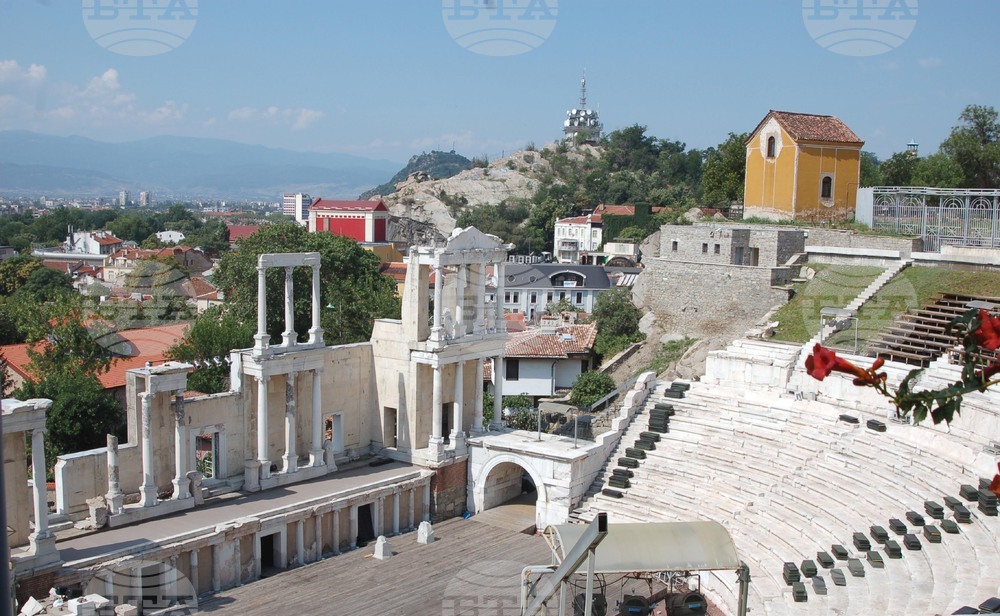
In 2013-2014, Plovdiv’s popular Kapana Neighbourdhood was transformed into a creative industries quarter. The Ancient Theatre, Plovdiv, July 25, 2013 (BTA Archive Photo/Vladimir Yanev)
news.anonymous.signup
news.anonymous.login
Plovdiv is older than Rome and Athens and is a contemporary of Troy and Mycenae. Together with Fayum (Egypt) and Sidon (Lebanon), Plovdiv is the world’s fifth oldest and Europe’s oldest continuously populated city. It is also among the Top Ten ancient cities attracting tourists, alongside Athens, Jerusalem, Byblos, Beirut, Aleppo, Damascus, Varanasi and Sidon, the Municipality of Plovdiv website says.
In Thracian times, Plovdiv was named Eumolpia. In the 4th century BCE, King Philip II incorporated it into the Macedonian Empire and gave it one of its most popular names: Philippopolis. After the Thracian lands were incorporated into the Roman Empire, the city became the capital of the Roman Province of Thrace, established in 46 CE. The Romans called it Trimontium because of its location on three hills. The Roman period (2nd - 4th c.) was a golden age for the city’s development. Bearing witness to this time are the Ancient Theatre, built in the 190s CE; the Roman Stadium from the 2nd c., which held around 30,000 spectators; and the Forum of ancient Trimontium from the 2nd c. – the largest complex of its kind, measuring approximately 100 by 112 metres.
The Eastern Gate of Philippopolis Archaeological Complex is located at the north-eastern foot of Plovdiv’s Three Hills (Nebet Tepe, Dzhambaz Tepe, and Taksim Tepe). Nearby is the Old Plovdiv Architectural and Historical Reserve. Old Plovdiv is famous for its houses from the Bulgarian Revival period, including the Hindliyan and Balabanov houses. In 1956 Old Plovdiv was designated an architectural and historical reserve, and in 2011 it was listed as an archaeological reserve.
The Episcopal Basilica of Philippopolis is this country’s largest early Christian church. It is located near the central square and the Catholic Cathedral of St Louis. The Basilica overbuilds the remains of an ancient structure, probably from the 1st c. After the church was abandoned, in the 10th - 12th c. a large Christian necropolis emerged on the site, with a cemetery church decorated with exquisite frescoes.
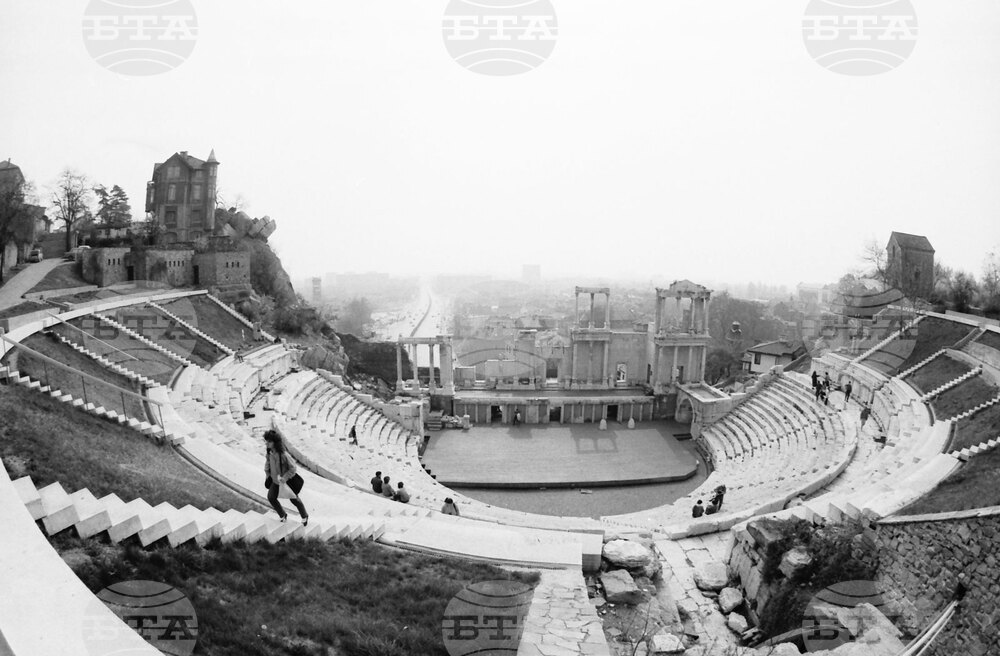
In 2013-2014, Plovdiv’s popular Kapana Neighbourdhood was transformed into a creative industries quarter. The Ancient Theatre, Plovdiv, July 25, 2013 (BTA Archive Photo/Vladimir Yanev)
Giro d’Italia in Bulgaria, Stage 3: the Route Comes to Life in Images Captured on Camera by BTA
Plovdiv is Bulgaria’s second-largest city. It is situated in the western part of the Upper Thracian Plain, straddling the River Maritsa. In 2019, Plovdiv was a European Capital of Culture together with the Italian city of Matera.
Plovdiv is older than Rome and Athens and is a contemporary of Troy and Mycenae. Together with Fayum (Egypt) and Sidon (Lebanon), Plovdiv is the world’s fifth oldest and Europe’s oldest continuously populated city. It is also among the Top Ten ancient cities attracting tourists, alongside Athens, Jerusalem, Byblos, Beirut, Aleppo, Damascus, Varanasi and Sidon, the Municipality of Plovdiv website says.
In Thracian times, Plovdiv was named Eumolpia. In the 4th century BCE, King Philip II incorporated it into the Macedonian Empire and gave it one of its most popular names: Philippopolis. After the Thracian lands were incorporated into the Roman Empire, the city became the capital of the Roman Province of Thrace, established in 46 CE. The Romans called it Trimontium because of its location on three hills. The Roman period (2nd - 4th c.) was a golden age for the city’s development. Bearing witness to this time are the Ancient Theatre, built in the 190s CE; the Roman Stadium from the 2nd c., which held around 30,000 spectators; and the Forum of ancient Trimontium from the 2nd c. – the largest complex of its kind, measuring approximately 100 by 112 metres.
The Eastern Gate of Philippopolis Archaeological Complex is located at the north-eastern foot of Plovdiv’s Three Hills (Nebet Tepe, Dzhambaz Tepe, and Taksim Tepe). Nearby is the Old Plovdiv Architectural and Historical Reserve. Old Plovdiv is famous for its houses from the Bulgarian Revival period, including the Hindliyan and Balabanov houses. In 1956 Old Plovdiv was designated an architectural and historical reserve, and in 2011 it was listed as an archaeological reserve.
The Episcopal Basilica of Philippopolis is this country’s largest early Christian church. It is located near the central square and the Catholic Cathedral of St Louis. The Basilica overbuilds the remains of an ancient structure, probably from the 1st c. After the church was abandoned, in the 10th - 12th c. a large Christian necropolis emerged on the site, with a cemetery church decorated with exquisite frescoes.
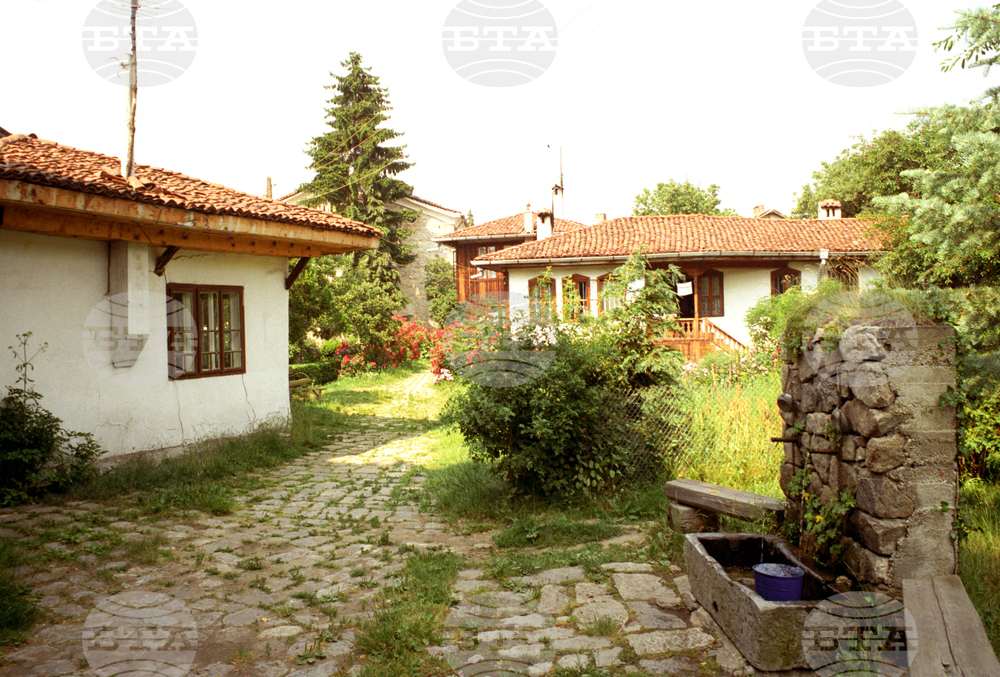
In 2013-2014, Plovdiv’s popular Kapana Neighbourdhood was transformed into a creative industries quarter. Old Plovdiv, Plovdiv, March 27, 1989 Пловдив (BTA Archive Photo/Ruslan Donev)
news.anonymous.signup
news.anonymous.login
Plovdiv is older than Rome and Athens and is a contemporary of Troy and Mycenae. Together with Fayum (Egypt) and Sidon (Lebanon), Plovdiv is the world’s fifth oldest and Europe’s oldest continuously populated city. It is also among the Top Ten ancient cities attracting tourists, alongside Athens, Jerusalem, Byblos, Beirut, Aleppo, Damascus, Varanasi and Sidon, the Municipality of Plovdiv website says.
In Thracian times, Plovdiv was named Eumolpia. In the 4th century BCE, King Philip II incorporated it into the Macedonian Empire and gave it one of its most popular names: Philippopolis. After the Thracian lands were incorporated into the Roman Empire, the city became the capital of the Roman Province of Thrace, established in 46 CE. The Romans called it Trimontium because of its location on three hills. The Roman period (2nd - 4th c.) was a golden age for the city’s development. Bearing witness to this time are the Ancient Theatre, built in the 190s CE; the Roman Stadium from the 2nd c., which held around 30,000 spectators; and the Forum of ancient Trimontium from the 2nd c. – the largest complex of its kind, measuring approximately 100 by 112 metres.
The Eastern Gate of Philippopolis Archaeological Complex is located at the north-eastern foot of Plovdiv’s Three Hills (Nebet Tepe, Dzhambaz Tepe, and Taksim Tepe). Nearby is the Old Plovdiv Architectural and Historical Reserve. Old Plovdiv is famous for its houses from the Bulgarian Revival period, including the Hindliyan and Balabanov houses. In 1956 Old Plovdiv was designated an architectural and historical reserve, and in 2011 it was listed as an archaeological reserve.
The Episcopal Basilica of Philippopolis is this country’s largest early Christian church. It is located near the central square and the Catholic Cathedral of St Louis. The Basilica overbuilds the remains of an ancient structure, probably from the 1st c. After the church was abandoned, in the 10th - 12th c. a large Christian necropolis emerged on the site, with a cemetery church decorated with exquisite frescoes.
In 2013-2014, Plovdiv’s popular Kapana Neighbourdhood was transformed into a creative industries quarter. Old Plovdiv, Plovdiv, March 27, 1989 Пловдив (BTA Archive Photo/Ruslan Donev)
Giro d’Italia in Bulgaria, Stage 3: the Route Comes to Life in Images Captured on Camera by BTA
Plovdiv is Bulgaria’s second-largest city. It is situated in the western part of the Upper Thracian Plain, straddling the River Maritsa. In 2019, Plovdiv was a European Capital of Culture together with the Italian city of Matera.
Plovdiv is older than Rome and Athens and is a contemporary of Troy and Mycenae. Together with Fayum (Egypt) and Sidon (Lebanon), Plovdiv is the world’s fifth oldest and Europe’s oldest continuously populated city. It is also among the Top Ten ancient cities attracting tourists, alongside Athens, Jerusalem, Byblos, Beirut, Aleppo, Damascus, Varanasi and Sidon, the Municipality of Plovdiv website says.
In Thracian times, Plovdiv was named Eumolpia. In the 4th century BCE, King Philip II incorporated it into the Macedonian Empire and gave it one of its most popular names: Philippopolis. After the Thracian lands were incorporated into the Roman Empire, the city became the capital of the Roman Province of Thrace, established in 46 CE. The Romans called it Trimontium because of its location on three hills. The Roman period (2nd - 4th c.) was a golden age for the city’s development. Bearing witness to this time are the Ancient Theatre, built in the 190s CE; the Roman Stadium from the 2nd c., which held around 30,000 spectators; and the Forum of ancient Trimontium from the 2nd c. – the largest complex of its kind, measuring approximately 100 by 112 metres.
The Eastern Gate of Philippopolis Archaeological Complex is located at the north-eastern foot of Plovdiv’s Three Hills (Nebet Tepe, Dzhambaz Tepe, and Taksim Tepe). Nearby is the Old Plovdiv Architectural and Historical Reserve. Old Plovdiv is famous for its houses from the Bulgarian Revival period, including the Hindliyan and Balabanov houses. In 1956 Old Plovdiv was designated an architectural and historical reserve, and in 2011 it was listed as an archaeological reserve.
The Episcopal Basilica of Philippopolis is this country’s largest early Christian church. It is located near the central square and the Catholic Cathedral of St Louis. The Basilica overbuilds the remains of an ancient structure, probably from the 1st c. After the church was abandoned, in the 10th - 12th c. a large Christian necropolis emerged on the site, with a cemetery church decorated with exquisite frescoes.
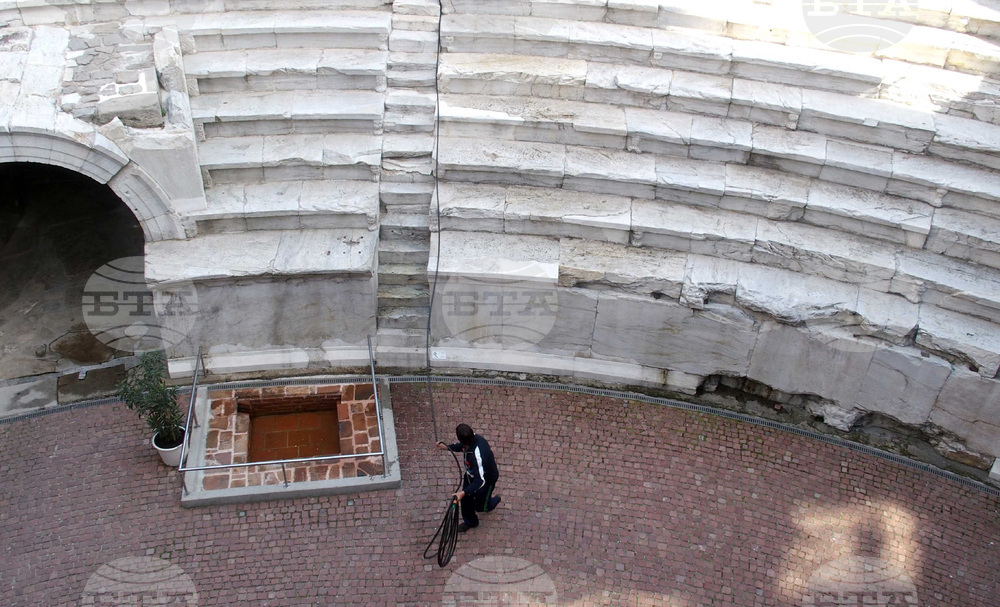
In 2013-2014, Plovdiv’s popular Kapana Neighbourdhood was transformed into a creative industries quarter. Roman Stadium Plovdiv, September 17, 2001 (BTA Photo/Vladimir Yanev)
news.anonymous.signup
news.anonymous.login
Plovdiv is older than Rome and Athens and is a contemporary of Troy and Mycenae. Together with Fayum (Egypt) and Sidon (Lebanon), Plovdiv is the world’s fifth oldest and Europe’s oldest continuously populated city. It is also among the Top Ten ancient cities attracting tourists, alongside Athens, Jerusalem, Byblos, Beirut, Aleppo, Damascus, Varanasi and Sidon, the Municipality of Plovdiv website says.
In Thracian times, Plovdiv was named Eumolpia. In the 4th century BCE, King Philip II incorporated it into the Macedonian Empire and gave it one of its most popular names: Philippopolis. After the Thracian lands were incorporated into the Roman Empire, the city became the capital of the Roman Province of Thrace, established in 46 CE. The Romans called it Trimontium because of its location on three hills. The Roman period (2nd - 4th c.) was a golden age for the city’s development. Bearing witness to this time are the Ancient Theatre, built in the 190s CE; the Roman Stadium from the 2nd c., which held around 30,000 spectators; and the Forum of ancient Trimontium from the 2nd c. – the largest complex of its kind, measuring approximately 100 by 112 metres.
The Eastern Gate of Philippopolis Archaeological Complex is located at the north-eastern foot of Plovdiv’s Three Hills (Nebet Tepe, Dzhambaz Tepe, and Taksim Tepe). Nearby is the Old Plovdiv Architectural and Historical Reserve. Old Plovdiv is famous for its houses from the Bulgarian Revival period, including the Hindliyan and Balabanov houses. In 1956 Old Plovdiv was designated an architectural and historical reserve, and in 2011 it was listed as an archaeological reserve.
The Episcopal Basilica of Philippopolis is this country’s largest early Christian church. It is located near the central square and the Catholic Cathedral of St Louis. The Basilica overbuilds the remains of an ancient structure, probably from the 1st c. After the church was abandoned, in the 10th - 12th c. a large Christian necropolis emerged on the site, with a cemetery church decorated with exquisite frescoes.
In 2013-2014, Plovdiv’s popular Kapana Neighbourdhood was transformed into a creative industries quarter. Roman Stadium Plovdiv, September 17, 2001 (BTA Photo/Vladimir Yanev)
Giro d’Italia in Bulgaria, Stage 3: the Route Comes to Life in Images Captured on Camera by BTA
Plovdiv is Bulgaria’s second-largest city. It is situated in the western part of the Upper Thracian Plain, straddling the River Maritsa. In 2019, Plovdiv was a European Capital of Culture together with the Italian city of Matera.
Plovdiv is older than Rome and Athens and is a contemporary of Troy and Mycenae. Together with Fayum (Egypt) and Sidon (Lebanon), Plovdiv is the world’s fifth oldest and Europe’s oldest continuously populated city. It is also among the Top Ten ancient cities attracting tourists, alongside Athens, Jerusalem, Byblos, Beirut, Aleppo, Damascus, Varanasi and Sidon, the Municipality of Plovdiv website says.
In Thracian times, Plovdiv was named Eumolpia. In the 4th century BCE, King Philip II incorporated it into the Macedonian Empire and gave it one of its most popular names: Philippopolis. After the Thracian lands were incorporated into the Roman Empire, the city became the capital of the Roman Province of Thrace, established in 46 CE. The Romans called it Trimontium because of its location on three hills. The Roman period (2nd - 4th c.) was a golden age for the city’s development. Bearing witness to this time are the Ancient Theatre, built in the 190s CE; the Roman Stadium from the 2nd c., which held around 30,000 spectators; and the Forum of ancient Trimontium from the 2nd c. – the largest complex of its kind, measuring approximately 100 by 112 metres.
The Eastern Gate of Philippopolis Archaeological Complex is located at the north-eastern foot of Plovdiv’s Three Hills (Nebet Tepe, Dzhambaz Tepe, and Taksim Tepe). Nearby is the Old Plovdiv Architectural and Historical Reserve. Old Plovdiv is famous for its houses from the Bulgarian Revival period, including the Hindliyan and Balabanov houses. In 1956 Old Plovdiv was designated an architectural and historical reserve, and in 2011 it was listed as an archaeological reserve.
The Episcopal Basilica of Philippopolis is this country’s largest early Christian church. It is located near the central square and the Catholic Cathedral of St Louis. The Basilica overbuilds the remains of an ancient structure, probably from the 1st c. After the church was abandoned, in the 10th - 12th c. a large Christian necropolis emerged on the site, with a cemetery church decorated with exquisite frescoes.
In 2013-2014, Plovdiv’s popular Kapana Neighbourdhood was transformed into a creative industries quarter. Roman Stadium Plovdiv, September 17, 2001 (BTA Photo/Vladimir Yanev)
news.anonymous.signup
news.anonymous.login
Plovdiv is older than Rome and Athens and is a contemporary of Troy and Mycenae. Together with Fayum (Egypt) and Sidon (Lebanon), Plovdiv is the world’s fifth oldest and Europe’s oldest continuously populated city. It is also among the Top Ten ancient cities attracting tourists, alongside Athens, Jerusalem, Byblos, Beirut, Aleppo, Damascus, Varanasi and Sidon, the Municipality of Plovdiv website says.
In Thracian times, Plovdiv was named Eumolpia. In the 4th century BCE, King Philip II incorporated it into the Macedonian Empire and gave it one of its most popular names: Philippopolis. After the Thracian lands were incorporated into the Roman Empire, the city became the capital of the Roman Province of Thrace, established in 46 CE. The Romans called it Trimontium because of its location on three hills. The Roman period (2nd - 4th c.) was a golden age for the city’s development. Bearing witness to this time are the Ancient Theatre, built in the 190s CE; the Roman Stadium from the 2nd c., which held around 30,000 spectators; and the Forum of ancient Trimontium from the 2nd c. – the largest complex of its kind, measuring approximately 100 by 112 metres.
The Eastern Gate of Philippopolis Archaeological Complex is located at the north-eastern foot of Plovdiv’s Three Hills (Nebet Tepe, Dzhambaz Tepe, and Taksim Tepe). Nearby is the Old Plovdiv Architectural and Historical Reserve. Old Plovdiv is famous for its houses from the Bulgarian Revival period, including the Hindliyan and Balabanov houses. In 1956 Old Plovdiv was designated an architectural and historical reserve, and in 2011 it was listed as an archaeological reserve.
The Episcopal Basilica of Philippopolis is this country’s largest early Christian church. It is located near the central square and the Catholic Cathedral of St Louis. The Basilica overbuilds the remains of an ancient structure, probably from the 1st c. After the church was abandoned, in the 10th - 12th c. a large Christian necropolis emerged on the site, with a cemetery church decorated with exquisite frescoes.
In 2013-2014, Plovdiv’s popular Kapana Neighbourdhood was transformed into a creative industries quarter. Roman Stadium Plovdiv, September 17, 2001 (BTA Photo/Vladimir Yanev)
Giro d’Italia in Bulgaria, Stage 3: the Route Comes to Life in Images Captured on Camera by BTA
Plovdiv is Bulgaria’s second-largest city. It is situated in the western part of the Upper Thracian Plain, straddling the River Maritsa. In 2019, Plovdiv was a European Capital of Culture together with the Italian city of Matera.
Plovdiv is older than Rome and Athens and is a contemporary of Troy and Mycenae. Together with Fayum (Egypt) and Sidon (Lebanon), Plovdiv is the world’s fifth oldest and Europe’s oldest continuously populated city. It is also among the Top Ten ancient cities attracting tourists, alongside Athens, Jerusalem, Byblos, Beirut, Aleppo, Damascus, Varanasi and Sidon, the Municipality of Plovdiv website says.
In Thracian times, Plovdiv was named Eumolpia. In the 4th century BCE, King Philip II incorporated it into the Macedonian Empire and gave it one of its most popular names: Philippopolis. After the Thracian lands were incorporated into the Roman Empire, the city became the capital of the Roman Province of Thrace, established in 46 CE. The Romans called it Trimontium because of its location on three hills. The Roman period (2nd - 4th c.) was a golden age for the city’s development. Bearing witness to this time are the Ancient Theatre, built in the 190s CE; the Roman Stadium from the 2nd c., which held around 30,000 spectators; and the Forum of ancient Trimontium from the 2nd c. – the largest complex of its kind, measuring approximately 100 by 112 metres.
The Eastern Gate of Philippopolis Archaeological Complex is located at the north-eastern foot of Plovdiv’s Three Hills (Nebet Tepe, Dzhambaz Tepe, and Taksim Tepe). Nearby is the Old Plovdiv Architectural and Historical Reserve. Old Plovdiv is famous for its houses from the Bulgarian Revival period, including the Hindliyan and Balabanov houses. In 1956 Old Plovdiv was designated an architectural and historical reserve, and in 2011 it was listed as an archaeological reserve.
The Episcopal Basilica of Philippopolis is this country’s largest early Christian church. It is located near the central square and the Catholic Cathedral of St Louis. The Basilica overbuilds the remains of an ancient structure, probably from the 1st c. After the church was abandoned, in the 10th - 12th c. a large Christian necropolis emerged on the site, with a cemetery church decorated with exquisite frescoes.
In 2013-2014, Plovdiv’s popular Kapana Neighbourdhood was transformed into a creative industries quarter. Roman Stadium Plovdiv, September 17, 2001 (BTA Photo/Vladimir Yanev)
news.anonymous.signup
news.anonymous.login
Plovdiv is older than Rome and Athens and is a contemporary of Troy and Mycenae. Together with Fayum (Egypt) and Sidon (Lebanon), Plovdiv is the world’s fifth oldest and Europe’s oldest continuously populated city. It is also among the Top Ten ancient cities attracting tourists, alongside Athens, Jerusalem, Byblos, Beirut, Aleppo, Damascus, Varanasi and Sidon, the Municipality of Plovdiv website says.
In Thracian times, Plovdiv was named Eumolpia. In the 4th century BCE, King Philip II incorporated it into the Macedonian Empire and gave it one of its most popular names: Philippopolis. After the Thracian lands were incorporated into the Roman Empire, the city became the capital of the Roman Province of Thrace, established in 46 CE. The Romans called it Trimontium because of its location on three hills. The Roman period (2nd - 4th c.) was a golden age for the city’s development. Bearing witness to this time are the Ancient Theatre, built in the 190s CE; the Roman Stadium from the 2nd c., which held around 30,000 spectators; and the Forum of ancient Trimontium from the 2nd c. – the largest complex of its kind, measuring approximately 100 by 112 metres.
The Eastern Gate of Philippopolis Archaeological Complex is located at the north-eastern foot of Plovdiv’s Three Hills (Nebet Tepe, Dzhambaz Tepe, and Taksim Tepe). Nearby is the Old Plovdiv Architectural and Historical Reserve. Old Plovdiv is famous for its houses from the Bulgarian Revival period, including the Hindliyan and Balabanov houses. In 1956 Old Plovdiv was designated an architectural and historical reserve, and in 2011 it was listed as an archaeological reserve.
The Episcopal Basilica of Philippopolis is this country’s largest early Christian church. It is located near the central square and the Catholic Cathedral of St Louis. The Basilica overbuilds the remains of an ancient structure, probably from the 1st c. After the church was abandoned, in the 10th - 12th c. a large Christian necropolis emerged on the site, with a cemetery church decorated with exquisite frescoes.
In 2013-2014, Plovdiv’s popular Kapana Neighbourdhood was transformed into a creative industries quarter. Roman Stadium Plovdiv, September 17, 2001 (BTA Photo/Vladimir Yanev)
Giro d’Italia in Bulgaria, Stage 3: the Route Comes to Life in Images Captured on Camera by BTA
Plovdiv is Bulgaria’s second-largest city. It is situated in the western part of the Upper Thracian Plain, straddling the River Maritsa. In 2019, Plovdiv was a European Capital of Culture together with the Italian city of Matera.
Plovdiv is older than Rome and Athens and is a contemporary of Troy and Mycenae. Together with Fayum (Egypt) and Sidon (Lebanon), Plovdiv is the world’s fifth oldest and Europe’s oldest continuously populated city. It is also among the Top Ten ancient cities attracting tourists, alongside Athens, Jerusalem, Byblos, Beirut, Aleppo, Damascus, Varanasi and Sidon, the Municipality of Plovdiv website says.
In Thracian times, Plovdiv was named Eumolpia. In the 4th century BCE, King Philip II incorporated it into the Macedonian Empire and gave it one of its most popular names: Philippopolis. After the Thracian lands were incorporated into the Roman Empire, the city became the capital of the Roman Province of Thrace, established in 46 CE. The Romans called it Trimontium because of its location on three hills. The Roman period (2nd - 4th c.) was a golden age for the city’s development. Bearing witness to this time are the Ancient Theatre, built in the 190s CE; the Roman Stadium from the 2nd c., which held around 30,000 spectators; and the Forum of ancient Trimontium from the 2nd c. – the largest complex of its kind, measuring approximately 100 by 112 metres.
The Eastern Gate of Philippopolis Archaeological Complex is located at the north-eastern foot of Plovdiv’s Three Hills (Nebet Tepe, Dzhambaz Tepe, and Taksim Tepe). Nearby is the Old Plovdiv Architectural and Historical Reserve. Old Plovdiv is famous for its houses from the Bulgarian Revival period, including the Hindliyan and Balabanov houses. In 1956 Old Plovdiv was designated an architectural and historical reserve, and in 2011 it was listed as an archaeological reserve.
The Episcopal Basilica of Philippopolis is this country’s largest early Christian church. It is located near the central square and the Catholic Cathedral of St Louis. The Basilica overbuilds the remains of an ancient structure, probably from the 1st c. After the church was abandoned, in the 10th - 12th c. a large Christian necropolis emerged on the site, with a cemetery church decorated with exquisite frescoes.
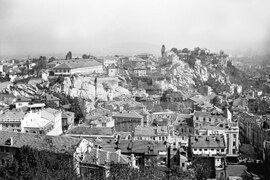
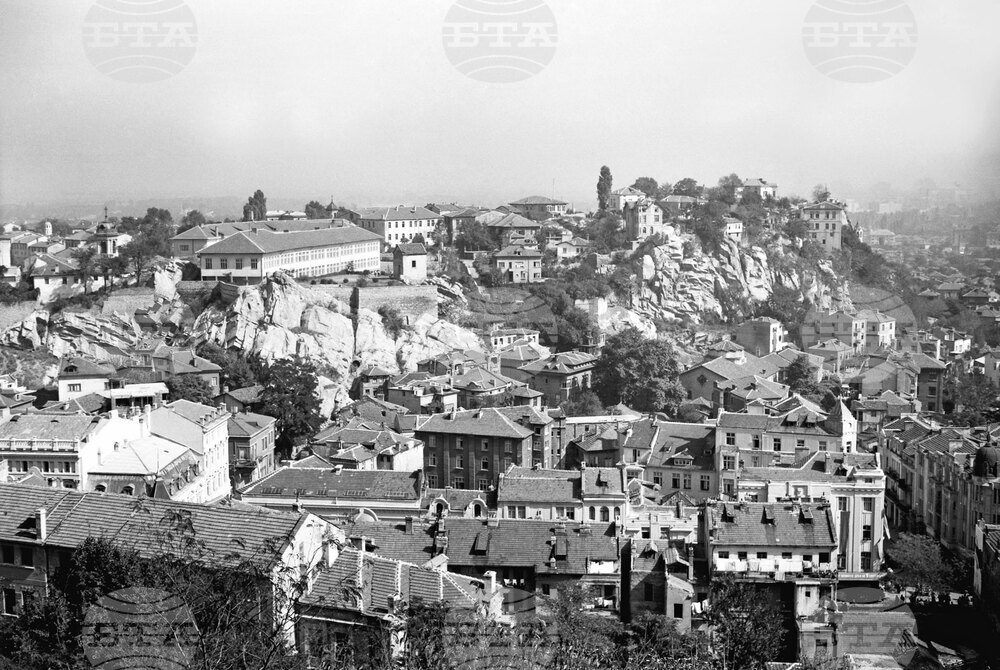
In 2013-2014, Plovdiv’s popular Kapana Neighbourdhood was transformed into a creative industries quarter. A panoramic view of the Old City and Dzhambaz Tepe, Plovdiv, October 4, 1960 (BTA Archive Photo/Simeon Nenov)
news.anonymous.signup
news.anonymous.login
Plovdiv is older than Rome and Athens and is a contemporary of Troy and Mycenae. Together with Fayum (Egypt) and Sidon (Lebanon), Plovdiv is the world’s fifth oldest and Europe’s oldest continuously populated city. It is also among the Top Ten ancient cities attracting tourists, alongside Athens, Jerusalem, Byblos, Beirut, Aleppo, Damascus, Varanasi and Sidon, the Municipality of Plovdiv website says.
In Thracian times, Plovdiv was named Eumolpia. In the 4th century BCE, King Philip II incorporated it into the Macedonian Empire and gave it one of its most popular names: Philippopolis. After the Thracian lands were incorporated into the Roman Empire, the city became the capital of the Roman Province of Thrace, established in 46 CE. The Romans called it Trimontium because of its location on three hills. The Roman period (2nd - 4th c.) was a golden age for the city’s development. Bearing witness to this time are the Ancient Theatre, built in the 190s CE; the Roman Stadium from the 2nd c., which held around 30,000 spectators; and the Forum of ancient Trimontium from the 2nd c. – the largest complex of its kind, measuring approximately 100 by 112 metres.
The Eastern Gate of Philippopolis Archaeological Complex is located at the north-eastern foot of Plovdiv’s Three Hills (Nebet Tepe, Dzhambaz Tepe, and Taksim Tepe). Nearby is the Old Plovdiv Architectural and Historical Reserve. Old Plovdiv is famous for its houses from the Bulgarian Revival period, including the Hindliyan and Balabanov houses. In 1956 Old Plovdiv was designated an architectural and historical reserve, and in 2011 it was listed as an archaeological reserve.
The Episcopal Basilica of Philippopolis is this country’s largest early Christian church. It is located near the central square and the Catholic Cathedral of St Louis. The Basilica overbuilds the remains of an ancient structure, probably from the 1st c. After the church was abandoned, in the 10th - 12th c. a large Christian necropolis emerged on the site, with a cemetery church decorated with exquisite frescoes.
In 2013-2014, Plovdiv’s popular Kapana Neighbourdhood was transformed into a creative industries quarter. A panoramic view of the Old City and Dzhambaz Tepe, Plovdiv, October 4, 1960 (BTA Archive Photo/Simeon Nenov)
Giro d’Italia in Bulgaria, Stage 3: the Route Comes to Life in Images Captured on Camera by BTA
Plovdiv is Bulgaria’s second-largest city. It is situated in the western part of the Upper Thracian Plain, straddling the River Maritsa. In 2019, Plovdiv was a European Capital of Culture together with the Italian city of Matera.
Plovdiv is older than Rome and Athens and is a contemporary of Troy and Mycenae. Together with Fayum (Egypt) and Sidon (Lebanon), Plovdiv is the world’s fifth oldest and Europe’s oldest continuously populated city. It is also among the Top Ten ancient cities attracting tourists, alongside Athens, Jerusalem, Byblos, Beirut, Aleppo, Damascus, Varanasi and Sidon, the Municipality of Plovdiv website says.
In Thracian times, Plovdiv was named Eumolpia. In the 4th century BCE, King Philip II incorporated it into the Macedonian Empire and gave it one of its most popular names: Philippopolis. After the Thracian lands were incorporated into the Roman Empire, the city became the capital of the Roman Province of Thrace, established in 46 CE. The Romans called it Trimontium because of its location on three hills. The Roman period (2nd - 4th c.) was a golden age for the city’s development. Bearing witness to this time are the Ancient Theatre, built in the 190s CE; the Roman Stadium from the 2nd c., which held around 30,000 spectators; and the Forum of ancient Trimontium from the 2nd c. – the largest complex of its kind, measuring approximately 100 by 112 metres.
The Eastern Gate of Philippopolis Archaeological Complex is located at the north-eastern foot of Plovdiv’s Three Hills (Nebet Tepe, Dzhambaz Tepe, and Taksim Tepe). Nearby is the Old Plovdiv Architectural and Historical Reserve. Old Plovdiv is famous for its houses from the Bulgarian Revival period, including the Hindliyan and Balabanov houses. In 1956 Old Plovdiv was designated an architectural and historical reserve, and in 2011 it was listed as an archaeological reserve.
The Episcopal Basilica of Philippopolis is this country’s largest early Christian church. It is located near the central square and the Catholic Cathedral of St Louis. The Basilica overbuilds the remains of an ancient structure, probably from the 1st c. After the church was abandoned, in the 10th - 12th c. a large Christian necropolis emerged on the site, with a cemetery church decorated with exquisite frescoes.
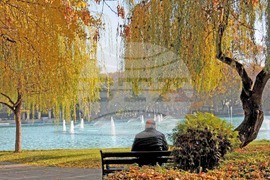
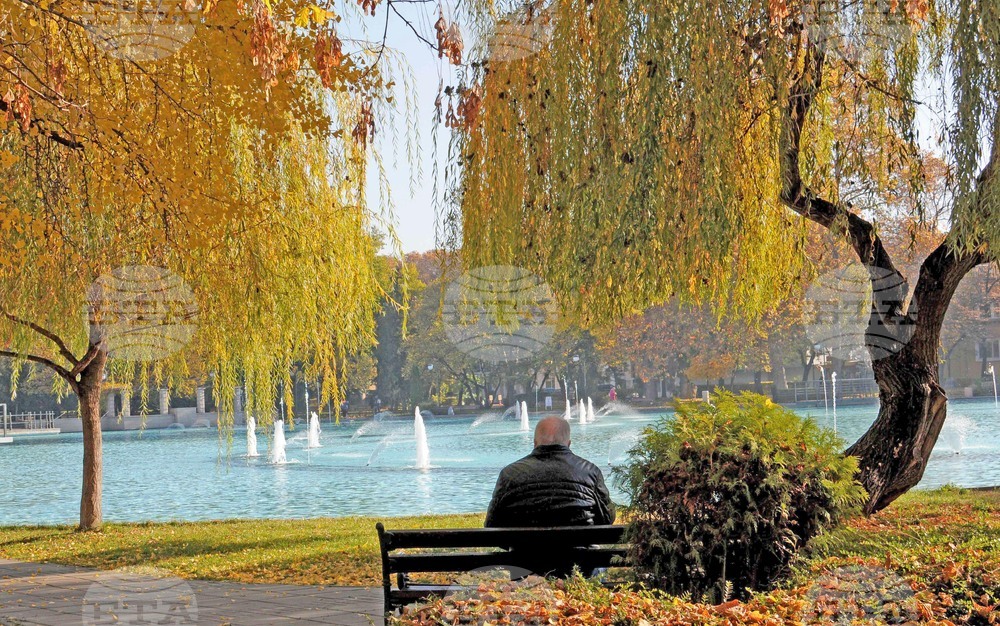
In 2013-2014, Plovdiv’s popular Kapana Neighbourdhood was transformed into a creative industries quarter. The Tsar Simeon Park with the singing fountains, Plovdiv, November 23, 2020 (BTA Archive Photo/Vladimir Yanev)
news.anonymous.signup
news.anonymous.login
Plovdiv is older than Rome and Athens and is a contemporary of Troy and Mycenae. Together with Fayum (Egypt) and Sidon (Lebanon), Plovdiv is the world’s fifth oldest and Europe’s oldest continuously populated city. It is also among the Top Ten ancient cities attracting tourists, alongside Athens, Jerusalem, Byblos, Beirut, Aleppo, Damascus, Varanasi and Sidon, the Municipality of Plovdiv website says.
In Thracian times, Plovdiv was named Eumolpia. In the 4th century BCE, King Philip II incorporated it into the Macedonian Empire and gave it one of its most popular names: Philippopolis. After the Thracian lands were incorporated into the Roman Empire, the city became the capital of the Roman Province of Thrace, established in 46 CE. The Romans called it Trimontium because of its location on three hills. The Roman period (2nd - 4th c.) was a golden age for the city’s development. Bearing witness to this time are the Ancient Theatre, built in the 190s CE; the Roman Stadium from the 2nd c., which held around 30,000 spectators; and the Forum of ancient Trimontium from the 2nd c. – the largest complex of its kind, measuring approximately 100 by 112 metres.
The Eastern Gate of Philippopolis Archaeological Complex is located at the north-eastern foot of Plovdiv’s Three Hills (Nebet Tepe, Dzhambaz Tepe, and Taksim Tepe). Nearby is the Old Plovdiv Architectural and Historical Reserve. Old Plovdiv is famous for its houses from the Bulgarian Revival period, including the Hindliyan and Balabanov houses. In 1956 Old Plovdiv was designated an architectural and historical reserve, and in 2011 it was listed as an archaeological reserve.
The Episcopal Basilica of Philippopolis is this country’s largest early Christian church. It is located near the central square and the Catholic Cathedral of St Louis. The Basilica overbuilds the remains of an ancient structure, probably from the 1st c. After the church was abandoned, in the 10th - 12th c. a large Christian necropolis emerged on the site, with a cemetery church decorated with exquisite frescoes.
In 2013-2014, Plovdiv’s popular Kapana Neighbourdhood was transformed into a creative industries quarter. The Tsar Simeon Park with the singing fountains, Plovdiv, November 23, 2020 (BTA Archive Photo/Vladimir Yanev)
Giro d’Italia in Bulgaria, Stage 3: the Route Comes to Life in Images Captured on Camera by BTA
Plovdiv is Bulgaria’s second-largest city. It is situated in the western part of the Upper Thracian Plain, straddling the River Maritsa. In 2019, Plovdiv was a European Capital of Culture together with the Italian city of Matera.
Plovdiv is older than Rome and Athens and is a contemporary of Troy and Mycenae. Together with Fayum (Egypt) and Sidon (Lebanon), Plovdiv is the world’s fifth oldest and Europe’s oldest continuously populated city. It is also among the Top Ten ancient cities attracting tourists, alongside Athens, Jerusalem, Byblos, Beirut, Aleppo, Damascus, Varanasi and Sidon, the Municipality of Plovdiv website says.
In Thracian times, Plovdiv was named Eumolpia. In the 4th century BCE, King Philip II incorporated it into the Macedonian Empire and gave it one of its most popular names: Philippopolis. After the Thracian lands were incorporated into the Roman Empire, the city became the capital of the Roman Province of Thrace, established in 46 CE. The Romans called it Trimontium because of its location on three hills. The Roman period (2nd - 4th c.) was a golden age for the city’s development. Bearing witness to this time are the Ancient Theatre, built in the 190s CE; the Roman Stadium from the 2nd c., which held around 30,000 spectators; and the Forum of ancient Trimontium from the 2nd c. – the largest complex of its kind, measuring approximately 100 by 112 metres.
The Eastern Gate of Philippopolis Archaeological Complex is located at the north-eastern foot of Plovdiv’s Three Hills (Nebet Tepe, Dzhambaz Tepe, and Taksim Tepe). Nearby is the Old Plovdiv Architectural and Historical Reserve. Old Plovdiv is famous for its houses from the Bulgarian Revival period, including the Hindliyan and Balabanov houses. In 1956 Old Plovdiv was designated an architectural and historical reserve, and in 2011 it was listed as an archaeological reserve.
The Episcopal Basilica of Philippopolis is this country’s largest early Christian church. It is located near the central square and the Catholic Cathedral of St Louis. The Basilica overbuilds the remains of an ancient structure, probably from the 1st c. After the church was abandoned, in the 10th - 12th c. a large Christian necropolis emerged on the site, with a cemetery church decorated with exquisite frescoes.
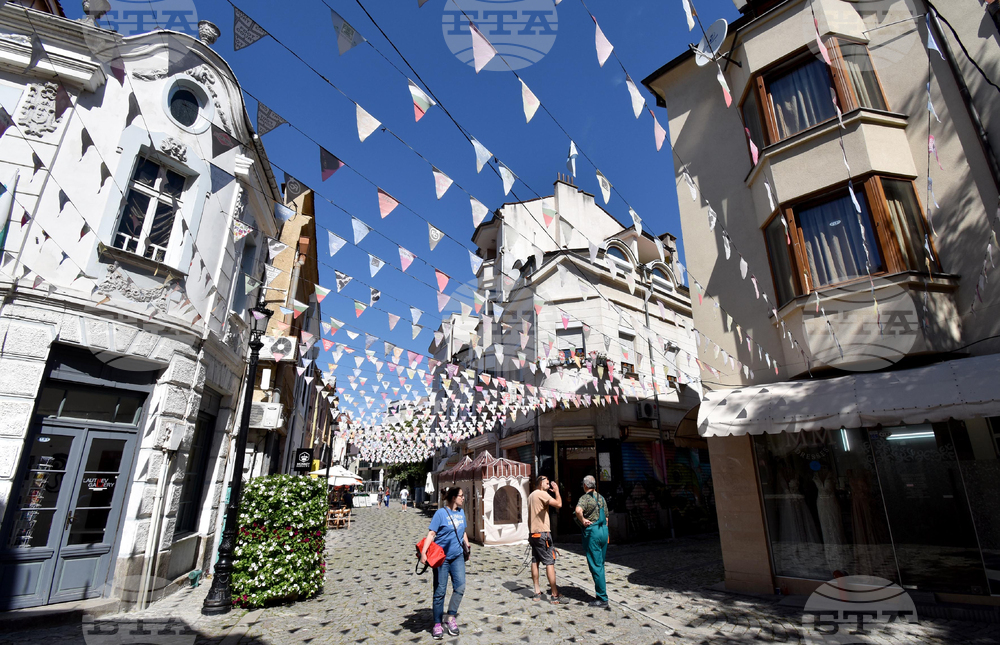
In 2013-2014, Plovdiv’s popular Kapana Neighbourdhood was transformed into a creative industries quarter. Preparations for the Kapana Fest 2018 in the Kapana Neighbourhood, Plovdiv, May 31, 2018 (BTA Archive Photo/Vladimir Yanev)
news.anonymous.signup
news.anonymous.login
Plovdiv is older than Rome and Athens and is a contemporary of Troy and Mycenae. Together with Fayum (Egypt) and Sidon (Lebanon), Plovdiv is the world’s fifth oldest and Europe’s oldest continuously populated city. It is also among the Top Ten ancient cities attracting tourists, alongside Athens, Jerusalem, Byblos, Beirut, Aleppo, Damascus, Varanasi and Sidon, the Municipality of Plovdiv website says.
In Thracian times, Plovdiv was named Eumolpia. In the 4th century BCE, King Philip II incorporated it into the Macedonian Empire and gave it one of its most popular names: Philippopolis. After the Thracian lands were incorporated into the Roman Empire, the city became the capital of the Roman Province of Thrace, established in 46 CE. The Romans called it Trimontium because of its location on three hills. The Roman period (2nd - 4th c.) was a golden age for the city’s development. Bearing witness to this time are the Ancient Theatre, built in the 190s CE; the Roman Stadium from the 2nd c., which held around 30,000 spectators; and the Forum of ancient Trimontium from the 2nd c. – the largest complex of its kind, measuring approximately 100 by 112 metres.
The Eastern Gate of Philippopolis Archaeological Complex is located at the north-eastern foot of Plovdiv’s Three Hills (Nebet Tepe, Dzhambaz Tepe, and Taksim Tepe). Nearby is the Old Plovdiv Architectural and Historical Reserve. Old Plovdiv is famous for its houses from the Bulgarian Revival period, including the Hindliyan and Balabanov houses. In 1956 Old Plovdiv was designated an architectural and historical reserve, and in 2011 it was listed as an archaeological reserve.
The Episcopal Basilica of Philippopolis is this country’s largest early Christian church. It is located near the central square and the Catholic Cathedral of St Louis. The Basilica overbuilds the remains of an ancient structure, probably from the 1st c. After the church was abandoned, in the 10th - 12th c. a large Christian necropolis emerged on the site, with a cemetery church decorated with exquisite frescoes.
In 2013-2014, Plovdiv’s popular Kapana Neighbourdhood was transformed into a creative industries quarter. Preparations for the Kapana Fest 2018 in the Kapana Neighbourhood, Plovdiv, May 31, 2018 (BTA Archive Photo/Vladimir Yanev)
Giro d’Italia in Bulgaria, Stage 3: the Route Comes to Life in Images Captured on Camera by BTA
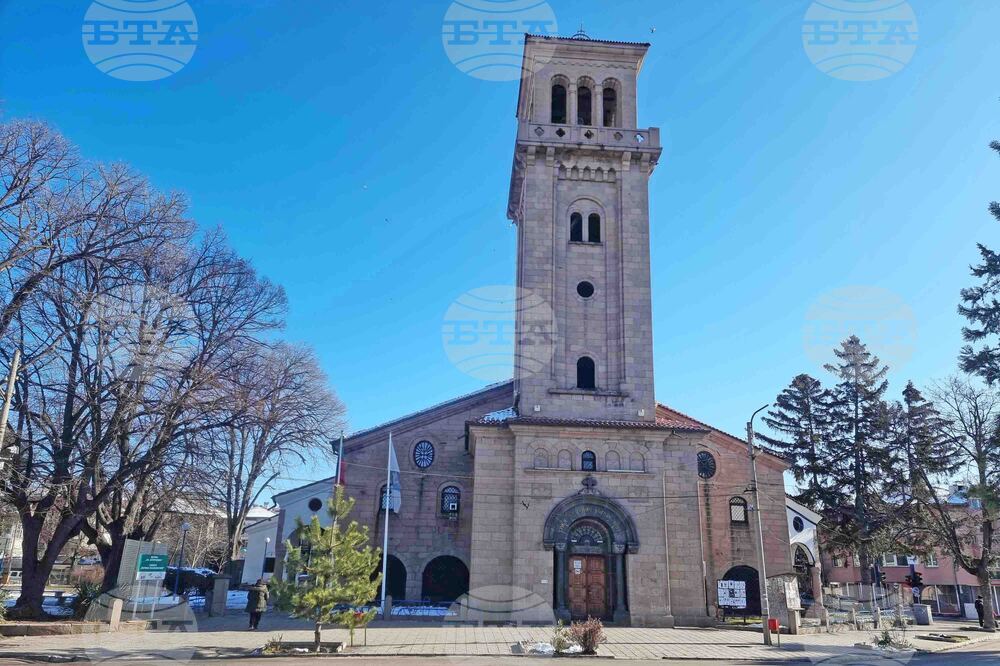
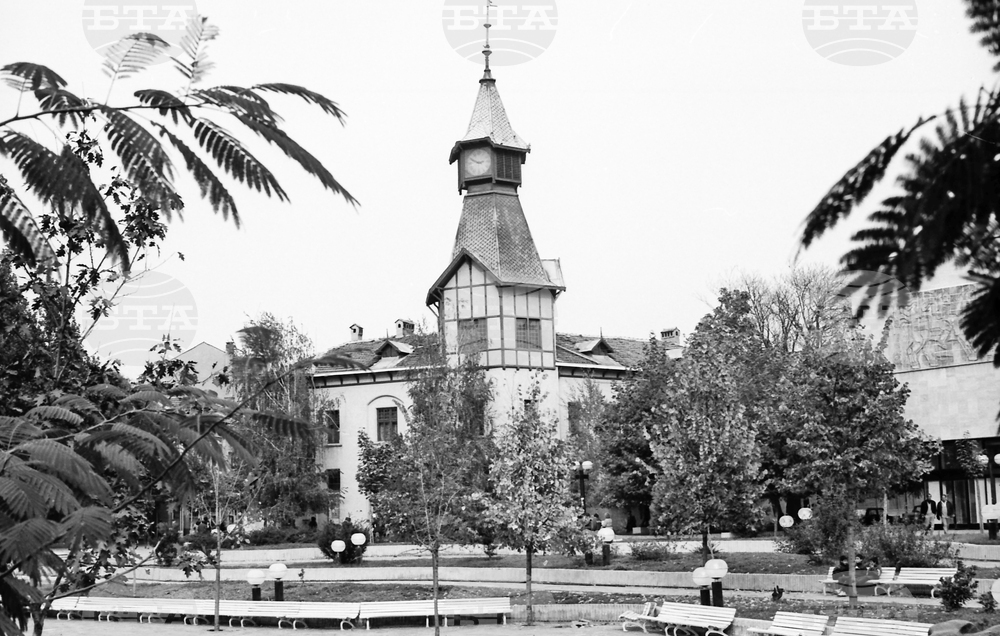
The city of Pazardzhik (South Central Bulgaria) is located in the western part of the Upper Thracian Plain along the River Maritsa River. The settlement was founded in the first quarter of the 15th c. as a centre of commerce on the road linking Europe and Asia Minor. Neolithic, Chalcolithic and Bronze Age settlements and mounds have been discovered in the area, including Ploska Mogila near the village of Yunatsite and Maltepe near the village of Ognyanovo. Pazardzhik’s Cathedral Church of the Theotokos, built in 1836-1837, is Bulgaria’s largest church dating from the National Revival period. Its iconostasis, crafted by master woodcarvers of the Debar–Mijak School, is a masterpiece of Bulgarian visual art of the National Revival and is protected by UNESCO. The building of the Videlina 1862 Chitalishte (community cultural centre) was constructed in 1904 and is designated an architectural and historical landmark. The city’s iconic Old Post Office, built in 1911, faces three streets and has a clock tower. The Kurshum Mosque, built in the 15th c., was designated an architectural monument of local importance in 1964. The Cathedral Church of the Dormition of the Theotokos, Pazardzhik, January 24, 2024 (BTA Archive Photo/BTA correspondent Nikoleta Mandzhukova)
news.anonymous.signup
news.anonymous.login
Giro d’Italia in Bulgaria, Stage 3: the Route Comes to Life in Images Captured on Camera by BTA
The city of Pazardzhik (South Central Bulgaria) is located in the western part of the Upper Thracian Plain along the River Maritsa River. The settlement was founded in the first quarter of the 15th c. as a centre of commerce on the road linking Europe and Asia Minor. Neolithic, Chalcolithic and Bronze Age settlements and mounds have been discovered in the area, including Ploska Mogila near the village of Yunatsite and Maltepe near the village of Ognyanovo. Pazardzhik’s Cathedral Church of the Theotokos, built in 1836-1837, is Bulgaria’s largest church dating from the National Revival period. Its iconostasis, crafted by master woodcarvers of the Debar–Mijak School, is a masterpiece of Bulgarian visual art of the National Revival and is protected by UNESCO. The building of the Videlina 1862 Chitalishte (community cultural centre) was constructed in 1904 and is designated an architectural and historical landmark. The city’s iconic Old Post Office, built in 1911, faces three streets and has a clock tower. The Kurshum Mosque, built in the 15th c., was designated an architectural monument of local importance in 1964. The centre of Pazardzhik, Pazardzhik, October 30, 1987 (BTA Archive Photo/Oleg Popov)
news.anonymous.signup
news.anonymous.login
Giro d’Italia in Bulgaria, Stage 3: the Route Comes to Life in Images Captured on Camera by BTA
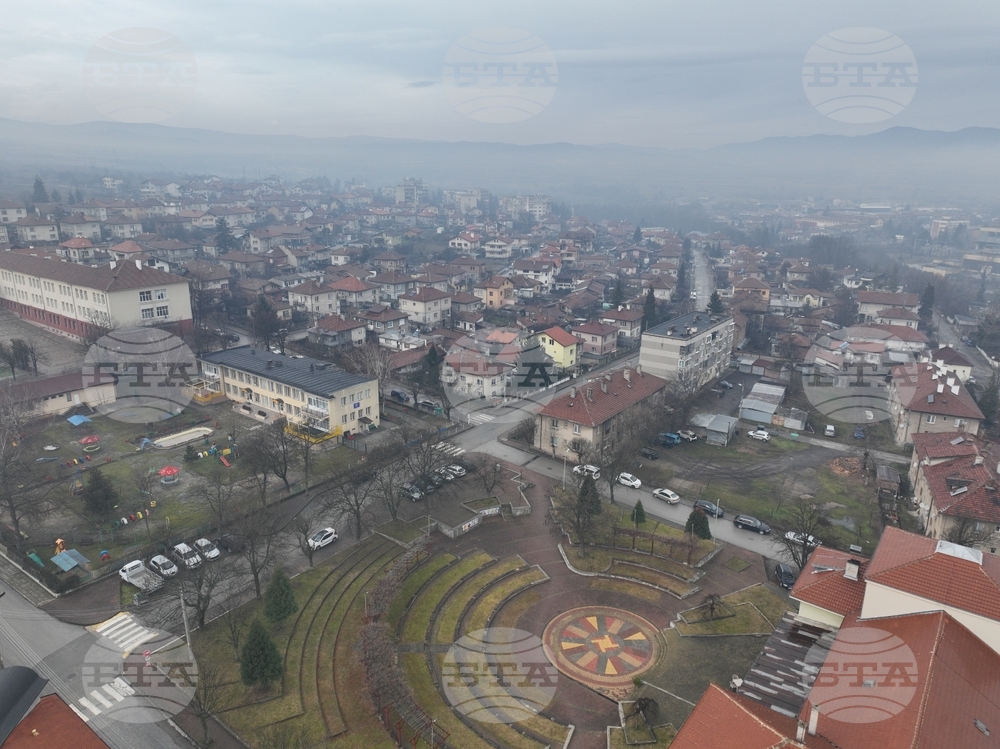
The town of Kostenets (Southwestern Bulgaria) is located 74 km from Sofia and 80 km from Plovdiv. The Trakia Motorway and the Sofia–Plovdiv–Svilengrad railway line pass through the area. Mineral springs. Thanks to its abundant mineral waters, Kostenets has established itself as a traditional spa destination in Bulgaria. The springs gained fame at the end of the 19th c., with three spa tourism zones developing around the three mineral springs: Momin Prohod, Villas Kostenets, and Pchelin Bani.
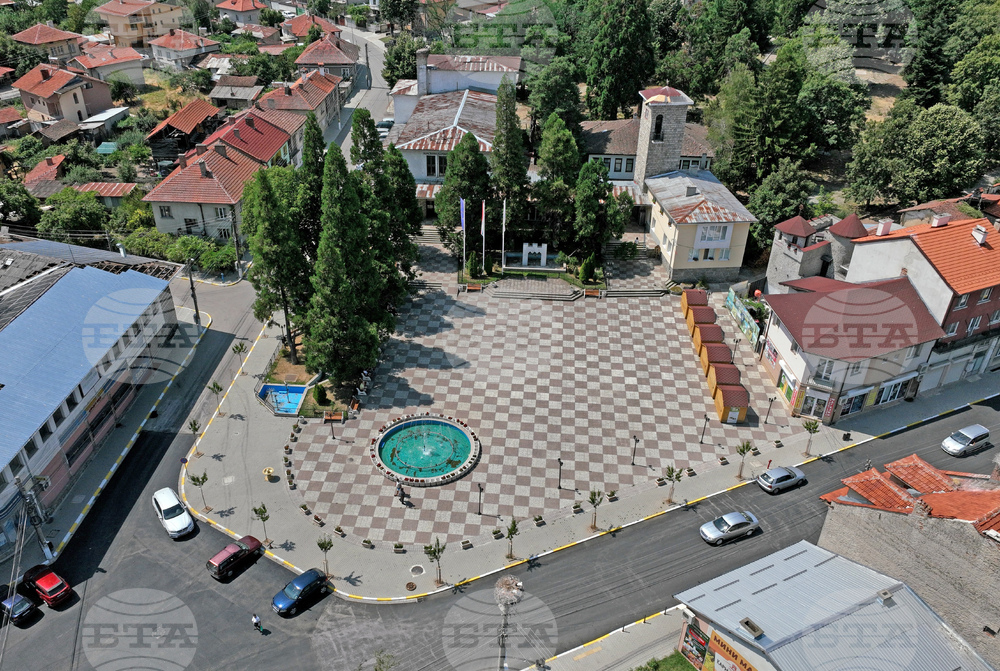
The Kostenets Waterfall is a natural landmark located on the Chavcha River in Mt Rila, 3 km south of the village of Kostenets, 6 km from the town, 35 km east of Borovets resort, and 79 km south-east of Sofia. Designated a natural landmark on May 13, 1974, the waterfall has a drop of about 10 metres and serves as a starting point for major hiking routes in the northern part of Mt Rila towards Belmeken. A view of the town, Kostenets, January 29, 2026 (BTA Archive Photo/Hristo Kasabov)
news.anonymous.signup
news.anonymous.login
The Kostenets Waterfall is a natural landmark located on the Chavcha River in Mt Rila, 3 km south of the village of Kostenets, 6 km from the town, 35 km east of Borovets resort, and 79 km south-east of Sofia. Designated a natural landmark on May 13, 1974, the waterfall has a drop of about 10 metres and serves as a starting point for major hiking routes in the northern part of Mt Rila towards Belmeken. A view of the town, Kostenets, January 29, 2026 (BTA Archive Photo/Hristo Kasabov)
Giro d’Italia in Bulgaria, Stage 3: the Route Comes to Life in Images Captured on Camera by BTA
The town of Kostenets (Southwestern Bulgaria) is located 74 km from Sofia and 80 km from Plovdiv. The Trakia Motorway and the Sofia–Plovdiv–Svilengrad railway line pass through the area. Mineral springs. Thanks to its abundant mineral waters, Kostenets has established itself as a traditional spa destination in Bulgaria. The springs gained fame at the end of the 19th c., with three spa tourism zones developing around the three mineral springs: Momin Prohod, Villas Kostenets, and Pchelin Bani.
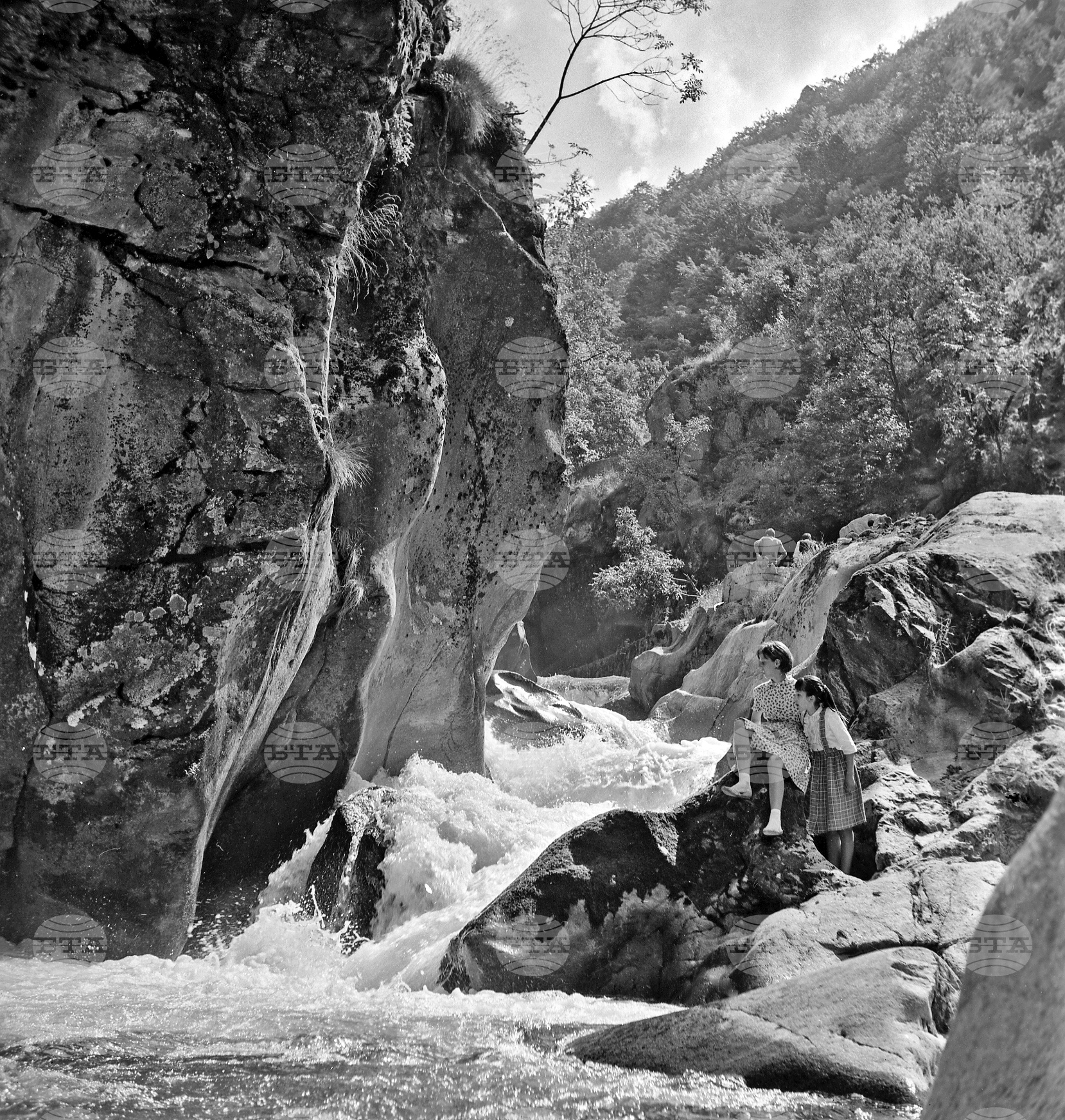
The Kostenets Waterfall is a natural landmark located on the Chavcha River in Mt Rila, 3 km south of the village of Kostenets, 6 km from the town, 35 km east of Borovets resort, and 79 km south-east of Sofia. Designated a natural landmark on May 13, 1974, the waterfall has a drop of about 10 metres and serves as a starting point for major hiking routes in the northern part of Mt Rila towards Belmeken. The Kostenets Waterfall in Mt Rila, Kostenets, June 29, 1965 (BTA Archive Photo/Georgi Vikentiev)
news.anonymous.signup
news.anonymous.login
The Kostenets Waterfall is a natural landmark located on the Chavcha River in Mt Rila, 3 km south of the village of Kostenets, 6 km from the town, 35 km east of Borovets resort, and 79 km south-east of Sofia. Designated a natural landmark on May 13, 1974, the waterfall has a drop of about 10 metres and serves as a starting point for major hiking routes in the northern part of Mt Rila towards Belmeken. The Kostenets Waterfall in Mt Rila, Kostenets, June 29, 1965 (BTA Archive Photo/Georgi Vikentiev)
Giro d’Italia in Bulgaria, Stage 3: the Route Comes to Life in Images Captured on Camera by BTA
The town of Dolna Banya (South-western Bulgaria) is located on the right bank of the River Maritsa, between Mt Rila and the Sredna Gora Range. The town is known for its mineral springs and baths.
The history of Dolna Banya dates back to the Thracians. Three nearby settlements: Venetitsa, Yurta and Koychovets, later merged into Banya, which was named Dolna Banya in the second half of the 19th c.
Mineral water is the town’s greatest wealth. Around 1700, Hadzhi Radoslav of Kostenets built two structures near the springs in the upper part of the basin. One of these structures, overbuilding Roman foundations, is known today as the “Roman Bath”. The other survives as the women’s section of the present-day public bath. A view of the central square, Dolna Banya, July 28, 2025 (Archive Photo/Blagoy Kirilov)
news.anonymous.signup
news.anonymous.login
The history of Dolna Banya dates back to the Thracians. Three nearby settlements: Venetitsa, Yurta and Koychovets, later merged into Banya, which was named Dolna Banya in the second half of the 19th c.
Mineral water is the town’s greatest wealth. Around 1700, Hadzhi Radoslav of Kostenets built two structures near the springs in the upper part of the basin. One of these structures, overbuilding Roman foundations, is known today as the “Roman Bath”. The other survives as the women’s section of the present-day public bath. A view of the central square, Dolna Banya, July 28, 2025 (Archive Photo/Blagoy Kirilov)
Giro d’Italia in Bulgaria, Stage 3: the Route Comes to Life in Images Captured on Camera by BTA
The town of Dolna Banya (South-western Bulgaria) is located on the right bank of the River Maritsa, between Mt Rila and the Sredna Gora Range. The town is known for its mineral springs and baths.
The history of Dolna Banya dates back to the Thracians. Three nearby settlements: Venetitsa, Yurta and Koychovets, later merged into Banya, which was named Dolna Banya in the second half of the 19th c.
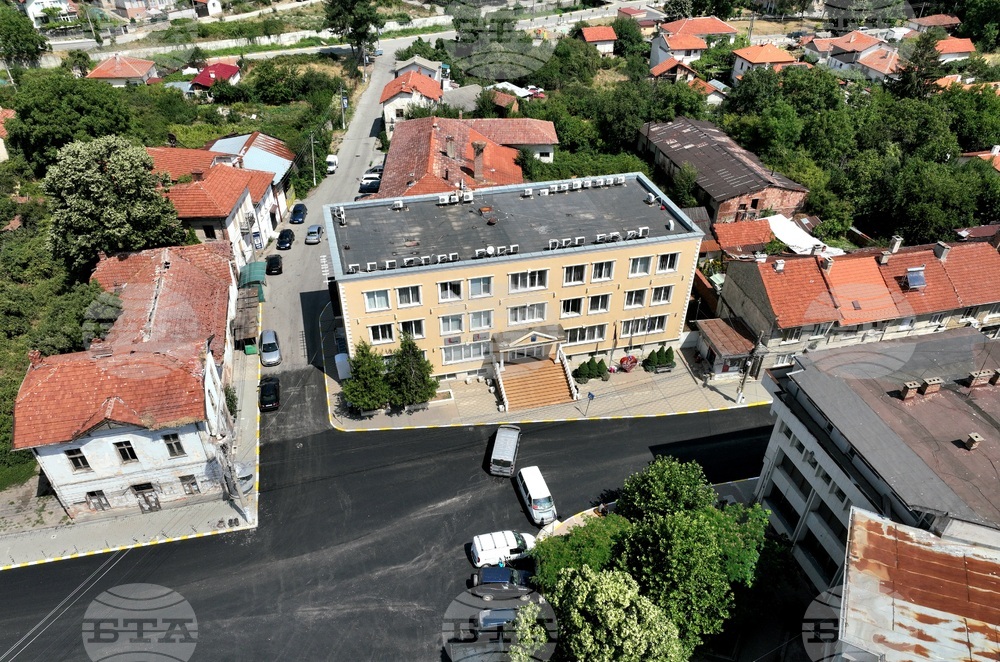
Mineral water is the town’s greatest wealth. Around 1700, Hadzhi Radoslav of Kostenets built two structures near the springs in the upper part of the basin. One of these structures, overbuilding Roman foundations, is known today as the “Roman Bath”. The other survives as the women’s section of the present-day public bath. The Town Hall, Dolna Banya, July 28, 2025 (Archive Photo/Blagoy Kirilov)
news.anonymous.signup
news.anonymous.login
The history of Dolna Banya dates back to the Thracians. Three nearby settlements: Venetitsa, Yurta and Koychovets, later merged into Banya, which was named Dolna Banya in the second half of the 19th c.
Mineral water is the town’s greatest wealth. Around 1700, Hadzhi Radoslav of Kostenets built two structures near the springs in the upper part of the basin. One of these structures, overbuilding Roman foundations, is known today as the “Roman Bath”. The other survives as the women’s section of the present-day public bath. The Town Hall, Dolna Banya, July 28, 2025 (Archive Photo/Blagoy Kirilov)
Giro d’Italia in Bulgaria, Stage 3: the Route Comes to Life in Images Captured on Camera by BTA
The Borovets resort began in 1896, when Prince Ferdinand I had his summer residence built in what was then Chamkoria, turning it into a favourite retreat of the royal family.
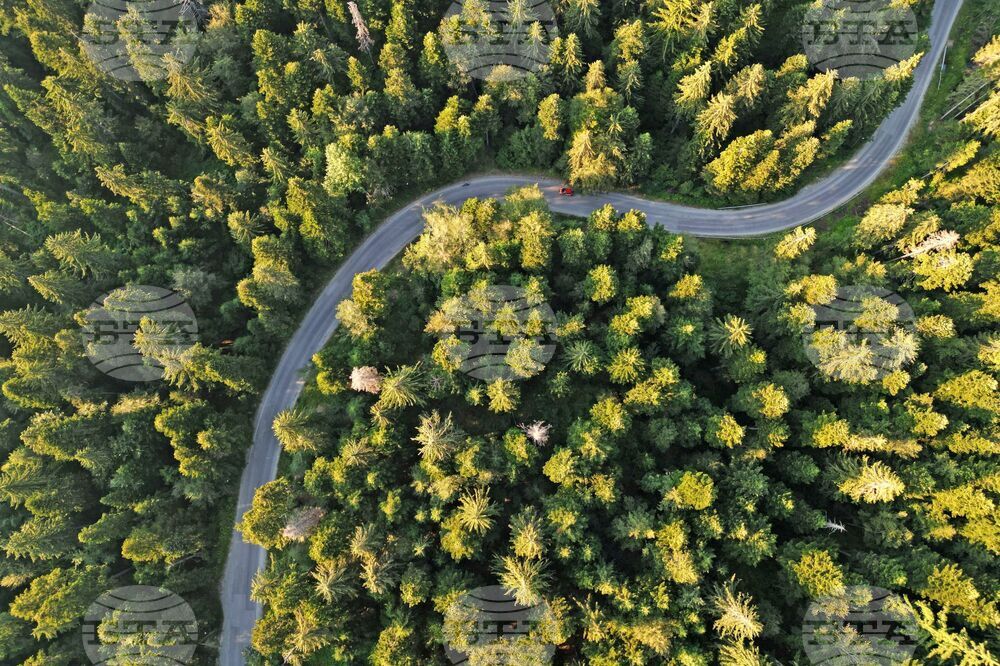
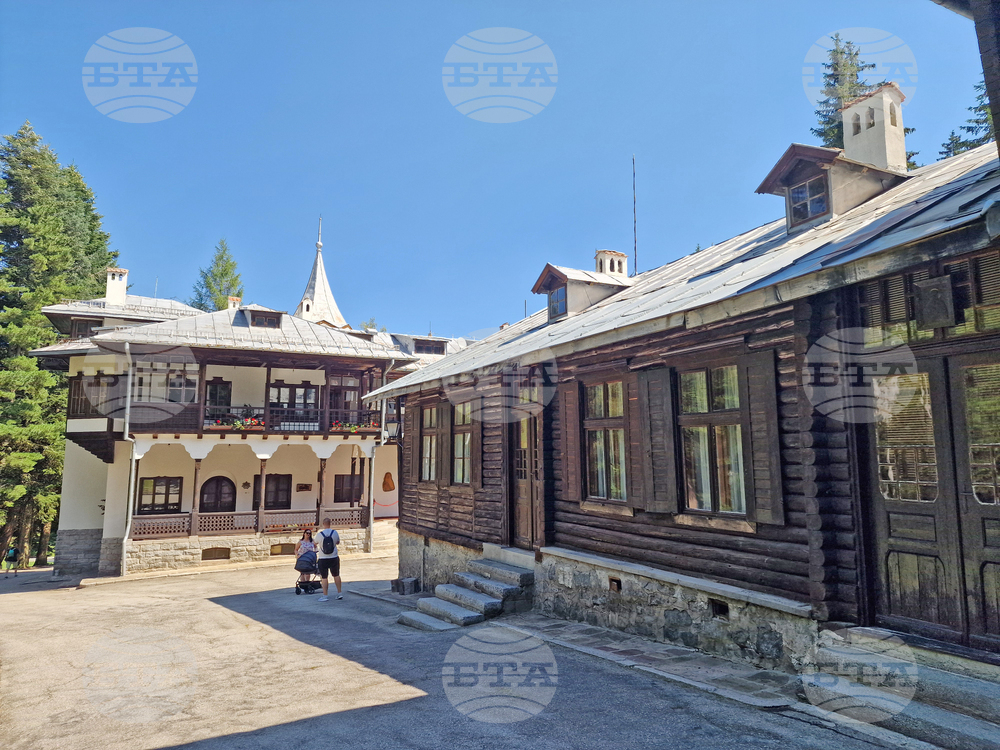
The first ski run in the area, 40-50 m long and 10-15 m wide, was cleared in 1938. Since 1942, the resort was named Borovets. A downhill ski run, 5-8 m wide, was built in 1946. Large hotels were constructed after 1950, and the resort became popular with local and foreign tourists. Borovets also has a mountain bike park with over 20 km of scenic marked trails of varying difficulty, suitable for both experienced riders and beginners, including families with children. Another local landmark is the Tsarska Bistritsa Palace, located above the resort in Mt Rila. Built between 1898 and 1914, it was used by King Ferdinand I and King Boris III as a hunting lodge. Its architecture combines the Bulgarian Revival style with European influences, and its park, crosses by the River Bistritsa Mursalenska, features rare tree species collected by Ferdinand during his trips around the world. A forest view of Mt Rila, July 6, 2024 (BTA Photo/Milena Stoykova)
news.anonymous.signup
news.anonymous.login
The first ski run in the area, 40-50 m long and 10-15 m wide, was cleared in 1938. Since 1942, the resort was named Borovets. A downhill ski run, 5-8 m wide, was built in 1946. Large hotels were constructed after 1950, and the resort became popular with local and foreign tourists. Borovets also has a mountain bike park with over 20 km of scenic marked trails of varying difficulty, suitable for both experienced riders and beginners, including families with children. Another local landmark is the Tsarska Bistritsa Palace, located above the resort in Mt Rila. Built between 1898 and 1914, it was used by King Ferdinand I and King Boris III as a hunting lodge. Its architecture combines the Bulgarian Revival style with European influences, and its park, crosses by the River Bistritsa Mursalenska, features rare tree species collected by Ferdinand during his trips around the world. A forest view of Mt Rila, July 6, 2024 (BTA Photo/Milena Stoykova)
Giro d’Italia in Bulgaria, Stage 3: the Route Comes to Life in Images Captured on Camera by BTA
The Borovets resort began in 1896, when Prine Ferdinand I had his summer residence built in what was then Chamkoria, turning it into a favourite retreat of the royal family.
The first ski run in the area, 40-50 m long and 10-15 m wide, was cleared in 1938. Since 1942, the resort was named Borovets. A downhill ski run, 5-8 m wide, was built in 1946. Large hotels were constructed after 1950, and the resort became popular with local and foreign tourists. Borovets also has a mountain bike park with over 20 km of scenic marked trails of varying difficulty, suitable for both experienced riders and beginners, including families with children. Another local landmark is the Tsarska Bistritsa Palace, located above the resort in Mt Rila. Built between 1898 and 1914, it was used by King Ferdinand I and King Boris III as a hunting lodge. Its architecture combines the Bulgarian Revival style with European influences, and its park, crosses by the River Bistritsa Mursalenska, features rare tree species collected by Ferdinand during his trips around the world. The Tsarska Bistritsa Palace, Borovets, July 14, 2024 (BTA Photo/Milena Stoykova)
news.anonymous.signup
news.anonymous.login
The first ski run in the area, 40-50 m long and 10-15 m wide, was cleared in 1938. Since 1942, the resort was named Borovets. A downhill ski run, 5-8 m wide, was built in 1946. Large hotels were constructed after 1950, and the resort became popular with local and foreign tourists. Borovets also has a mountain bike park with over 20 km of scenic marked trails of varying difficulty, suitable for both experienced riders and beginners, including families with children. Another local landmark is the Tsarska Bistritsa Palace, located above the resort in Mt Rila. Built between 1898 and 1914, it was used by King Ferdinand I and King Boris III as a hunting lodge. Its architecture combines the Bulgarian Revival style with European influences, and its park, crosses by the River Bistritsa Mursalenska, features rare tree species collected by Ferdinand during his trips around the world. The Tsarska Bistritsa Palace, Borovets, July 14, 2024 (BTA Photo/Milena Stoykova)
Giro d’Italia in Bulgaria, Stage 3: the Route Comes to Life in Images Captured on Camera by BTA
The Borovets resort began in 1896, when Prine Ferdinand I had his summer residence built in what was then Chamkoria, turning it into a favourite retreat of the royal family.
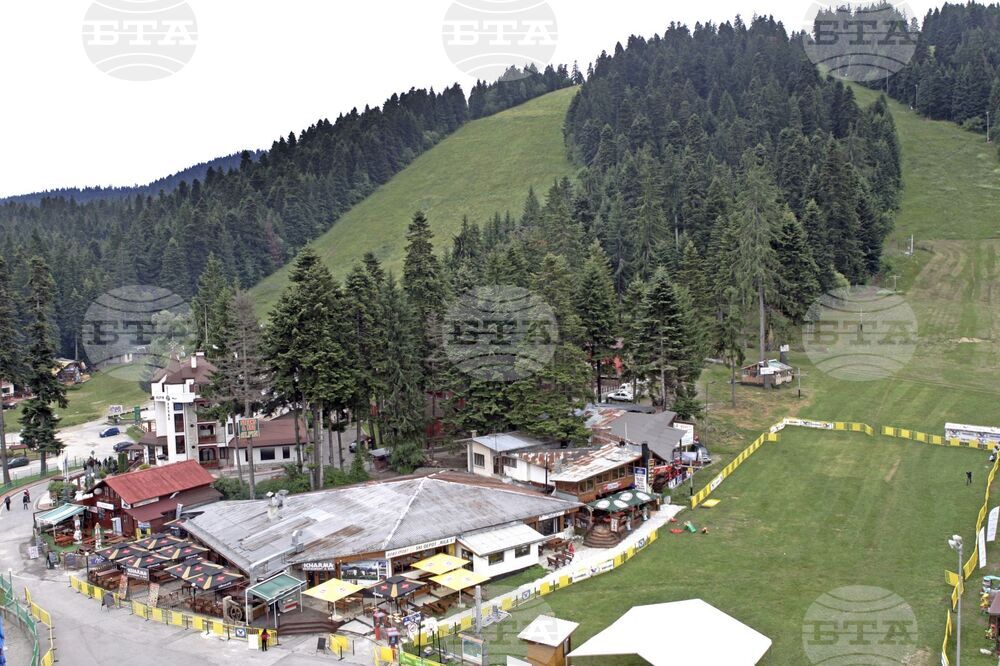
The first ski run in the area, 40-50 m long and 10-15 m wide, was cleared in 1938. Since 1942, the resort was named Borovets. A downhill ski run, 5-8 m wide, was built in 1946. Large hotels were constructed after 1950, and the resort became popular with local and foreign tourists. Borovets also has a mountain bike park with over 20 km of scenic marked trails of varying difficulty, suitable for both experienced riders and beginners, including families with children. Another local landmark is the Tsarska Bistritsa Palace, located above the resort in Mt Rila. Built between 1898 and 1914, it was used by King Ferdinand I and King Boris III as a hunting lodge. Its architecture combines the Bulgarian Revival style with European influences, and its park, crosses by the River Bistritsa Mursalenska, features rare tree species collected by Ferdinand during his trips around the world. A view of the resort complex, Borovets, July 9, 2010 (BTA Photo/Vladimir Shokov)
news.anonymous.signup
news.anonymous.login
The first ski run in the area, 40-50 m long and 10-15 m wide, was cleared in 1938. Since 1942, the resort was named Borovets. A downhill ski run, 5-8 m wide, was built in 1946. Large hotels were constructed after 1950, and the resort became popular with local and foreign tourists. Borovets also has a mountain bike park with over 20 km of scenic marked trails of varying difficulty, suitable for both experienced riders and beginners, including families with children. Another local landmark is the Tsarska Bistritsa Palace, located above the resort in Mt Rila. Built between 1898 and 1914, it was used by King Ferdinand I and King Boris III as a hunting lodge. Its architecture combines the Bulgarian Revival style with European influences, and its park, crosses by the River Bistritsa Mursalenska, features rare tree species collected by Ferdinand during his trips around the world. A view of the resort complex, Borovets, July 9, 2010 (BTA Photo/Vladimir Shokov)
Giro d’Italia in Bulgaria, Stage 3: the Route Comes to Life in Images Captured on Camera by BTA
The Borovets resort began in 1896, when Prine Ferdinand I had his summer residence built in what was then Chamkoria, turning it into a favourite retreat of the royal family.
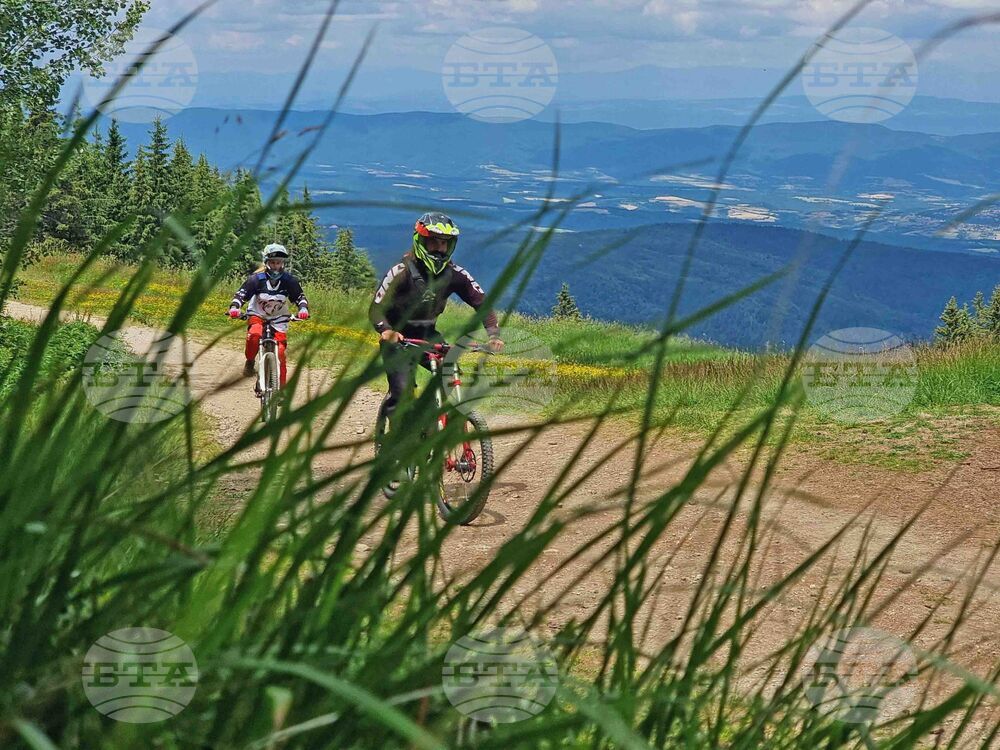
The first ski run in the area, 40-50 m long and 10-15 m wide, was cleared in 1938. Since 1942, the resort was named Borovets. A downhill ski run, 5-8 m wide, was built in 1946. Large hotels were constructed after 1950, and the resort became popular with local and foreign tourists. Borovets also has a mountain bike park with over 20 km of scenic marked trails of varying difficulty, suitable for both experienced riders and beginners, including families with children. Another local landmark is the Tsarska Bistritsa Palace, located above the resort in Mt Rila. Built between 1898 and 1914, it was used by King Ferdinand I and King Boris III as a hunting lodge. Its architecture combines the Bulgarian Revival style with European influences, and its park, crosses by the River Bistritsa Mursalenska, features rare tree species collected by Ferdinand during his trips around the world. Mountain bike park, July 6, 2024 (BTA Photo/Vladimir Shokov)
news.anonymous.signup
news.anonymous.login
The first ski run in the area, 40-50 m long and 10-15 m wide, was cleared in 1938. Since 1942, the resort was named Borovets. A downhill ski run, 5-8 m wide, was built in 1946. Large hotels were constructed after 1950, and the resort became popular with local and foreign tourists. Borovets also has a mountain bike park with over 20 km of scenic marked trails of varying difficulty, suitable for both experienced riders and beginners, including families with children. Another local landmark is the Tsarska Bistritsa Palace, located above the resort in Mt Rila. Built between 1898 and 1914, it was used by King Ferdinand I and King Boris III as a hunting lodge. Its architecture combines the Bulgarian Revival style with European influences, and its park, crosses by the River Bistritsa Mursalenska, features rare tree species collected by Ferdinand during his trips around the world. Mountain bike park, July 6, 2024 (BTA Photo/Vladimir Shokov)
Giro d’Italia in Bulgaria, Stage 3: the Route Comes to Life in Images Captured on Camera by BTA
The Borovets resort began in 1896, when Prine Ferdinand I had his summer residence built in what was then Chamkoria, turning it into a favourite retreat of the royal family.
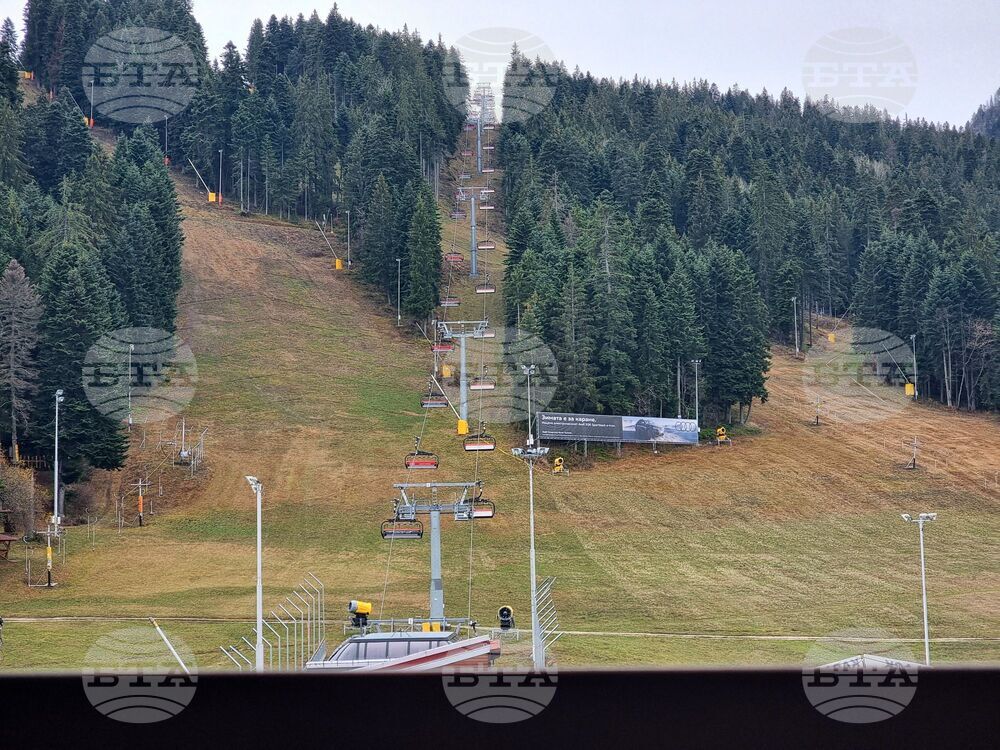
The first ski run in the area, 40-50 m long and 10-15 m wide, was cleared in 1938. Since 1942, the resort was named Borovets. A downhill ski run, 5-8 m wide, was built in 1946. Large hotels were constructed after 1950, and the resort became popular with local and foreign tourists. Borovets also has a mountain bike park with over 20 km of scenic marked trails of varying difficulty, suitable for both experienced riders and beginners, including families with children. Another local landmark is the Tsarska Bistritsa Palace, located above the resort in Mt Rila. Built between 1898 and 1914, it was used by King Ferdinand I and King Boris III as a hunting lodge. Its architecture combines the Bulgarian Revival style with European influences, and its park, crosses by the River Bistritsa Mursalenska, features rare tree species collected by Ferdinand during his trips around the world. A view of the Borovets Resort, November 22, 2024 (BTA Archive Photo/Ekaterina Toteva)
news.anonymous.signup
news.anonymous.login
The first ski run in the area, 40-50 m long and 10-15 m wide, was cleared in 1938. Since 1942, the resort was named Borovets. A downhill ski run, 5-8 m wide, was built in 1946. Large hotels were constructed after 1950, and the resort became popular with local and foreign tourists. Borovets also has a mountain bike park with over 20 km of scenic marked trails of varying difficulty, suitable for both experienced riders and beginners, including families with children. Another local landmark is the Tsarska Bistritsa Palace, located above the resort in Mt Rila. Built between 1898 and 1914, it was used by King Ferdinand I and King Boris III as a hunting lodge. Its architecture combines the Bulgarian Revival style with European influences, and its park, crosses by the River Bistritsa Mursalenska, features rare tree species collected by Ferdinand during his trips around the world. A view of the Borovets Resort, November 22, 2024 (BTA Archive Photo/Ekaterina Toteva)
Giro d’Italia in Bulgaria, Stage 3: the Route Comes to Life in Images Captured on Camera by BTA
The town of Samokov (South-western Bulgaria) is located in a valley along the River Iskar River, at the foot of Mt Rila and near Mt Plana, Mt Vitosha, Mt Verila and the Ihtiman Sredna Gora Range.
The town emerged in the early 15th c. on the ruins of an ancient settlement. It flourished economically between the 17th and 19th c. thanks to iron production, using large mechanical hammers called “samokovs”.
A glass factory employing craftsmen from Karlsbad (now Karlovy Vary in Czechia) was established in the 1850s.
The Borovets resort is about 10 km from Samokov. Marked hiking trails lead to the Musala Peak (the Balkans’ highest elevation) the Malyovitsa Peak, and the Seven Rila Lakes.
The Samokov Art School, one of the leading artistic schools of the Bulgarian Revival, originated in the mid-18th c. It was founded by Hristo Dimitrov, whose sons Dimitar Zograf and Zahari Zograf take credit for some of the most significant frescoes in the Rila Monastery.
The Metropolitan Church of the Dormition of the Theotokos in Samokov was built in 1712, enlarged in 1783-1795, and remodelled in 1835. The woodcarved iconostasis was made c. 1793. The icons were painted by Dimitar Zograf, Zahari Zograf, Ivan Ikonopisets, Nikola Obrazopisov and other exponents of the Samokov Art School. The Nunnery of the Protecting Veil of the Most Holy Theotokos, founded in 1772, Samokov, July 4, 1990 (BTA Archive Photo/Ruslan Donev)
news.anonymous.signup
news.anonymous.login
The town emerged in the early 15th c. on the ruins of an ancient settlement. It flourished economically between the 17th and 19th c. thanks to iron production, using large mechanical hammers called “samokovs”.
A glass factory employing craftsmen from Karlsbad (now Karlovy Vary in Czechia) was established in the 1850s.
The Borovets resort is about 10 km from Samokov. Marked hiking trails lead to the Musala Peak (the Balkans’ highest elevation) the Malyovitsa Peak, and the Seven Rila Lakes.
The Samokov Art School, one of the leading artistic schools of the Bulgarian Revival, originated in the mid-18th c. It was founded by Hristo Dimitrov, whose sons Dimitar Zograf and Zahari Zograf take credit for some of the most significant frescoes in the Rila Monastery.
The Metropolitan Church of the Dormition of the Theotokos in Samokov was built in 1712, enlarged in 1783-1795, and remodelled in 1835. The woodcarved iconostasis was made c. 1793. The icons were painted by Dimitar Zograf, Zahari Zograf, Ivan Ikonopisets, Nikola Obrazopisov and other exponents of the Samokov Art School. The Nunnery of the Protecting Veil of the Most Holy Theotokos, founded in 1772, Samokov, July 4, 1990 (BTA Archive Photo/Ruslan Donev)
Giro d’Italia in Bulgaria, Stage 3: the Route Comes to Life in Images Captured on Camera by BTA
The town of Samokov (South-western Bulgaria) is located in a valley along the River Iskar River, at the foot of Mt Rila and near Mt Plana, Mt Vitosha, Mt Verila and the Ihtiman Sredna Gora Range.
The town emerged in the early 15th c. on the ruins of an ancient settlement. It flourished economically between the 17th and 19th c. thanks to iron production, using large mechanical hammers called “samokovs”.
A glass factory employing craftsmen from Karlsbad (now Karlovy Vary in Czechia) was established in the 1850s.
The Borovets resort is about 10 km from Samokov. Marked hiking trails lead to the Musala Peak (the Balkans’ highest elevation) the Malyovitsa Peak, and the Seven Rila Lakes.
The Samokov Art School, one of the leading artistic schools of the Bulgarian Revival, originated in the mid-18th c. It was founded by Hristo Dimitrov, whose sons Dimitar Zograf and Zahari Zograf take credit for some of the most significant frescoes in the Rila Monastery.
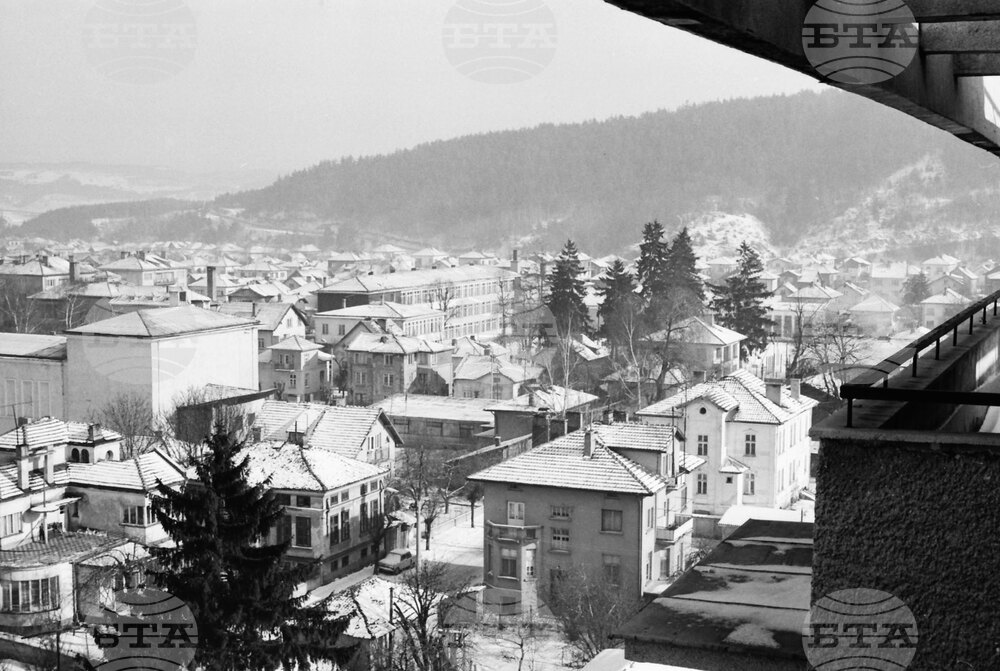
The Metropolitan Church of the Dormition of the Theotokos in Samokov was built in 1712, enlarged in 1783-1795, and remodelled in 1835. The woodcarved iconostasis was made c. 1793. The icons were painted by Dimitar Zograf, Zahari Zograf, Ivan Ikonopisets, Nikola Obrazopisov and other exponents of the Samokov Art School. A view of the town, Samokov, January 12, 1982 (BTA Archive Photo/Petar Zhekov)
news.anonymous.signup
news.anonymous.login
The town emerged in the early 15th c. on the ruins of an ancient settlement. It flourished economically between the 17th and 19th c. thanks to iron production, using large mechanical hammers called “samokovs”.
A glass factory employing craftsmen from Karlsbad (now Karlovy Vary in Czechia) was established in the 1850s.
The Borovets resort is about 10 km from Samokov. Marked hiking trails lead to the Musala Peak (the Balkans’ highest elevation) the Malyovitsa Peak, and the Seven Rila Lakes.
The Samokov Art School, one of the leading artistic schools of the Bulgarian Revival, originated in the mid-18th c. It was founded by Hristo Dimitrov, whose sons Dimitar Zograf and Zahari Zograf take credit for some of the most significant frescoes in the Rila Monastery.
The Metropolitan Church of the Dormition of the Theotokos in Samokov was built in 1712, enlarged in 1783-1795, and remodelled in 1835. The woodcarved iconostasis was made c. 1793. The icons were painted by Dimitar Zograf, Zahari Zograf, Ivan Ikonopisets, Nikola Obrazopisov and other exponents of the Samokov Art School. A view of the town, Samokov, January 12, 1982 (BTA Archive Photo/Petar Zhekov)
Giro d’Italia in Bulgaria, Stage 3: the Route Comes to Life in Images Captured on Camera by BTA
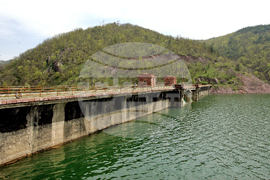
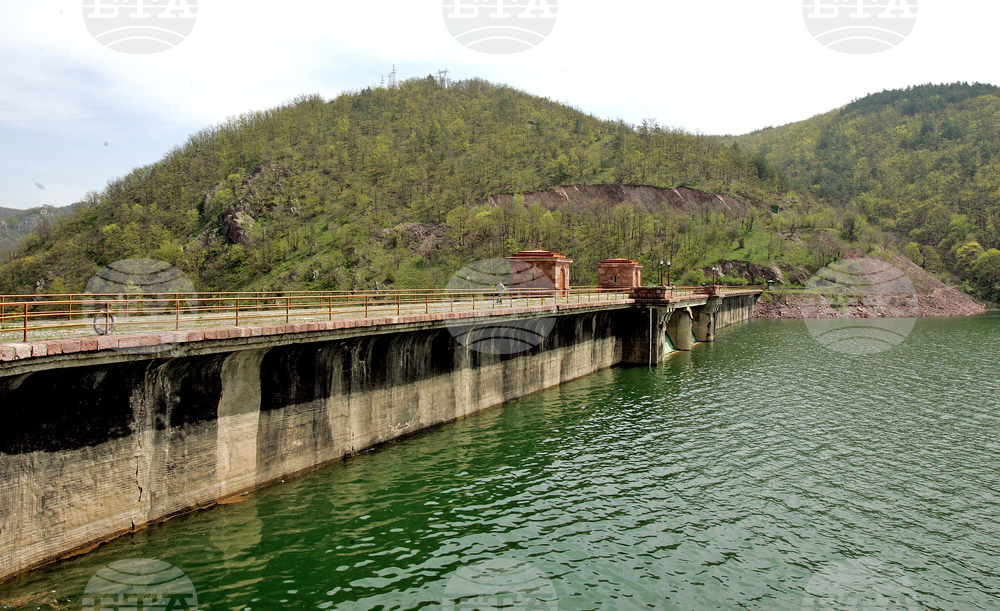
The Iskar Hydro Project is Bulgaria’s largest man-made reservoir complex, consisting of the Iskar, Kokalyane and Pancharevo dams and the Pasarel and Kokalyane hydroelectric power plants. Located on the River Iskar north of Samokov, the complex was built between 1950 and 1956 and was inaugurated on September 8, 1956. Several villages were submerged, and their inhabitants were relocated.
The Iskar Dam occupies about 30 sq km between the Lozen Heights and Mt Plana and has a volume of 670 million cu m of water. The reservoir is 66 m deep at the dam wall, 13 km long and 2.5 km wide. At present, it is an essential source of water supply for Sofia today. The Iskar Dam, May 4, 2004 (BTA Archive Photo/Tihomir Penov)
news.anonymous.signup
news.anonymous.login
The Iskar Dam occupies about 30 sq km between the Lozen Heights and Mt Plana and has a volume of 670 million cu m of water. The reservoir is 66 m deep at the dam wall, 13 km long and 2.5 km wide. At present, it is an essential source of water supply for Sofia today. The Iskar Dam, May 4, 2004 (BTA Archive Photo/Tihomir Penov)
Giro d’Italia in Bulgaria, Stage 3: the Route Comes to Life in Images Captured on Camera by BTA
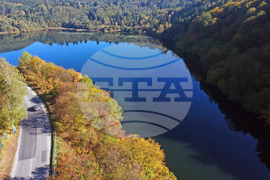
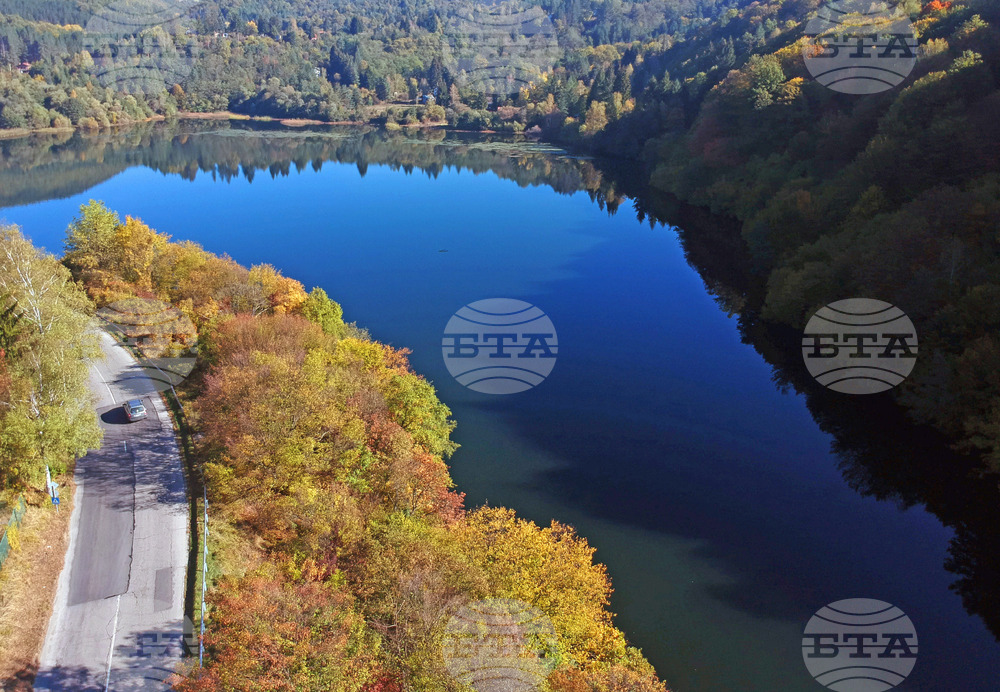
The village of Dolni Pasarel is about 23 km from Sofia, between Mt Lozen and Mt Plana, on the left bank of the River Iskar, near the Iskar and Pasarel dams. The area is known for motorcycle sports, particularly enduro and motocross, which have developed into a form of alternative and adventure tourism and a burgeoning business for Dolni Pasarel. The Pasarel Dam, Sofia, October 24, 2020 (BTA Archive Photo/Vladimir Shokov)
news.anonymous.signup
news.anonymous.login
Giro d’Italia in Bulgaria, Stage 3: the Route Comes to Life in Images Captured on Camera by BTA
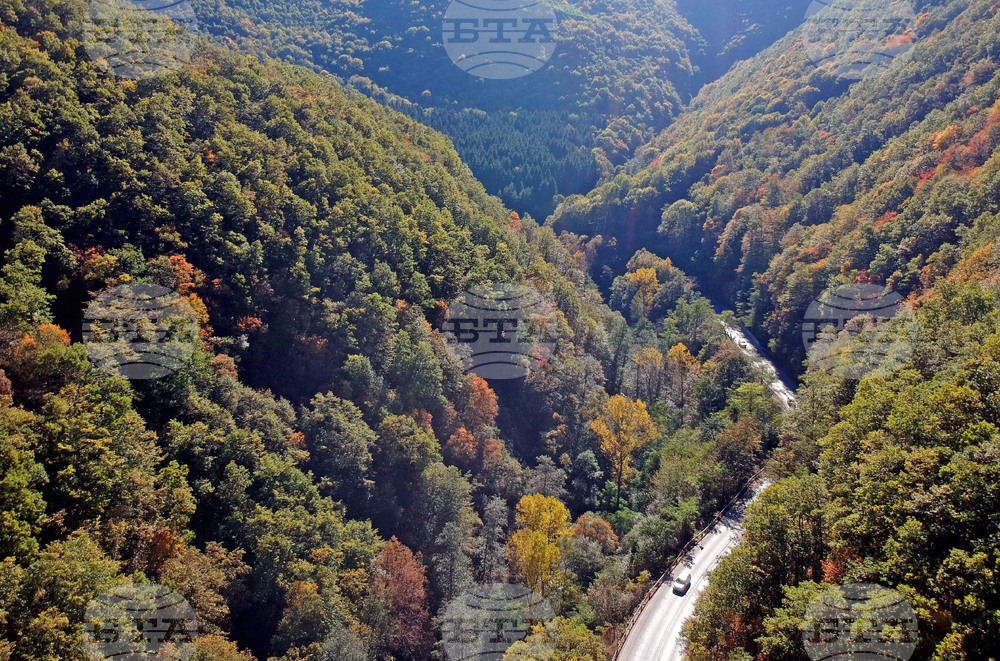
The village of Dolni Pasarel is about 23 km from Sofia, between Mt Lozen and Mt Plana, on the left bank of the River Iskar, near the Iskar and Pasarel dams. The area is known for motorcycle sports, particularly enduro and motocross, which have developed into a form of alternative and adventure tourism and a burgeoning business for Dolni Pasarel. The Pasarel Dam, Sofia, October 24, 2020 (BTA Archive Photo/Vladimir Shokov)
news.anonymous.signup
news.anonymous.login
Giro d’Italia in Bulgaria, Stage 3: the Route Comes to Life in Images Captured on Camera by BTA
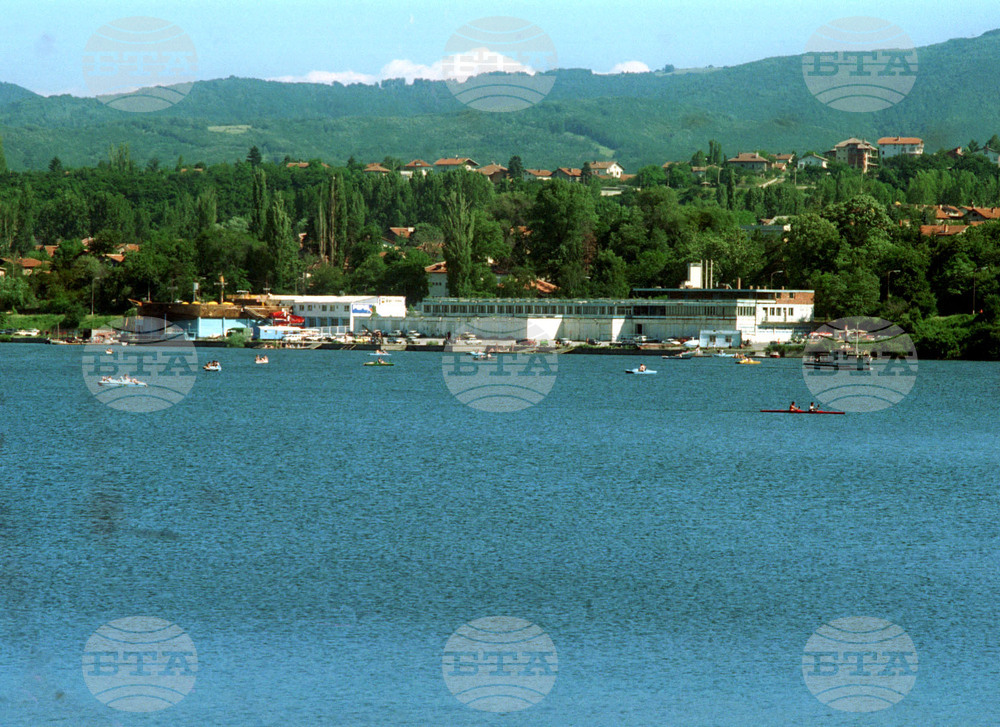
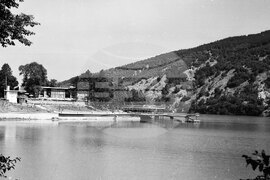
Pancharevo is a borough of Sofia Municipality, about 12 km south-east of the city centre, located between Mt Vitosha and Mt Lozen. The Pancharevo Dam Lake was filled in 1956 as part of the Iskar Hydro Project. The area has become a favourite spot for sports, recreation and leisure. The Sredets National Rowing Base on the shore of the Pancharevo Dam Lake is Bulgaria’s oldest specialized facility for rowing sports practice and competitions. It hosted World Cup races in 1977 and 1981. Pancharevo’s two mineral springs were used by the Romans, who built baths with seven pools there. Under Ottoman rule, the Turkish baths in the area attracted a large number of visitors. The present bath building was completed in 1945 and stands on ancient Roman foundations.
The Urvich Fortress, located in the Iskar Gorge, played an especially important role in the 13th - 14th c. for the defence of the Sofia-Samokov pass. A medieval fortress, the Fortress Church of St Elijah, and the St Nikola Letni Monastery are located in the area. The Pancharevo Dam Lake, Pancharevo, June 21, 1997 (BTA Archive Photo/Ruslan Donev)
news.anonymous.signup
news.anonymous.login
The Urvich Fortress, located in the Iskar Gorge, played an especially important role in the 13th - 14th c. for the defence of the Sofia-Samokov pass. A medieval fortress, the Fortress Church of St Elijah, and the St Nikola Letni Monastery are located in the area. The Pancharevo Dam Lake, Pancharevo, June 21, 1997 (BTA Archive Photo/Ruslan Donev)
Giro d’Italia in Bulgaria, Stage 3: the Route Comes to Life in Images Captured on Camera by BTA
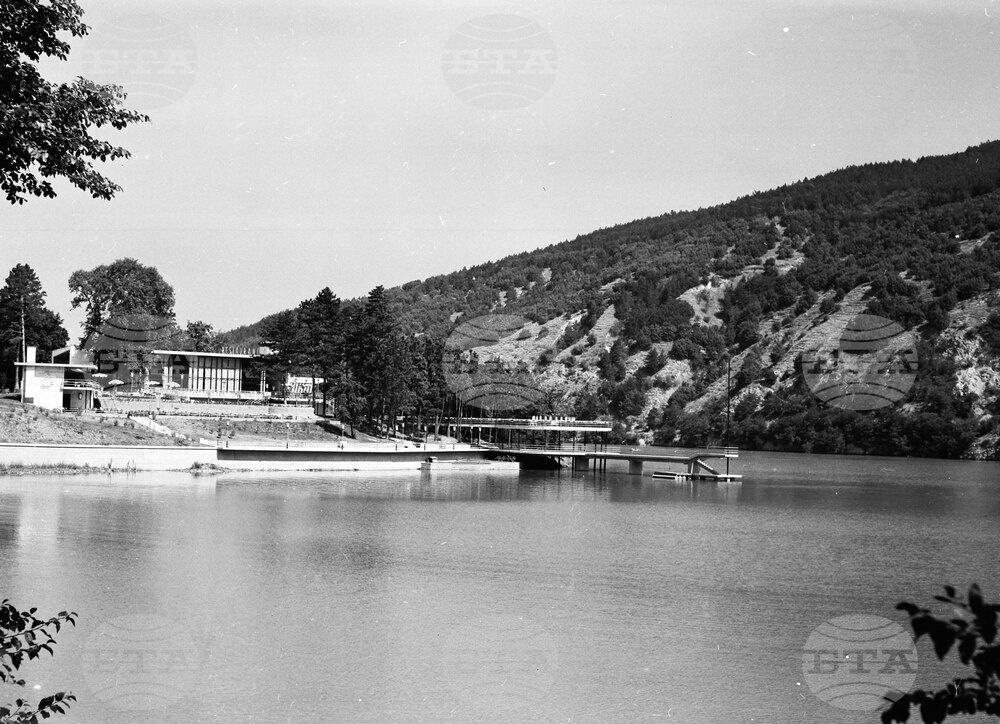
Pancharevo is a borough of Sofia Municipality, about 12 km south-east of the city centre, located between Mt Vitosha and Mt Lozen. The Pancharevo Dam Lake was filled in 1956 as part of the Iskar Hydro Project. The area has become a favourite spot for sports, recreation and leisure. The Sredets National Rowing Base on the shore of the Pancharevo Dam Lake is Bulgaria’s oldest specialized facility for rowing sports practice and competitions. It hosted World Cup races in 1977 and 1981. Pancharevo’s two mineral springs were used by the Romans, who built baths with seven pools there. Under Ottoman rule, the Turkish baths in the area attracted a large number of visitors. The present bath building was completed in 1945 and stands on ancient Roman foundations.
The Urvich Fortress, located in the Iskar Gorge, played an especially important role in the 13th - 14th c. for the defence of the Sofia-Samokov pass. A medieval fortress, the Fortress Church of St Elijah, and the St Nikola Letni Monastery are located in the area. The Lebed Restaurant on the shore of the Pancharevo Dam Lake, Pancharevo, July 28, 1961 (BTA Archive Photo/Vladimir Ivanov)
news.anonymous.signup
news.anonymous.login
The Urvich Fortress, located in the Iskar Gorge, played an especially important role in the 13th - 14th c. for the defence of the Sofia-Samokov pass. A medieval fortress, the Fortress Church of St Elijah, and the St Nikola Letni Monastery are located in the area. The Lebed Restaurant on the shore of the Pancharevo Dam Lake, Pancharevo, July 28, 1961 (BTA Archive Photo/Vladimir Ivanov)
Giro d’Italia in Bulgaria, Stage 3: the Route Comes to Life in Images Captured on Camera by BTA
Sofia was chosen as the capital of Bulgaria on April 3, 1879 by the Constituent Assembly in Tarnovo. Its history dates back over 7,000 years.
The city is surrounded by five mountains: Mt Vitosha, Mt Plana, Mt Sofia (part of the Balkan Range), Mt Lyulin, and Mt Lozen (part of the Ihtiman Sredna Gora Range). Two tributaries of the River Iskar: the Perlovska and the Vladayska, run through the city.
Sofia’s coat of arms was designed for the Paris World Exposition in 1900, with the motto “Ever Growing, Never Ageing” added in 1911.
The city celebrates its holiday on September 17, the Feast Day of the Holy Martyrs Faith, Hope, Charity and their mother Sophia. It was endorsed by a Sofia Municipal Council resolution on March 25, 1992.
Sofia was a European Capital of Sport in 2018 and World Capital of Sport in 2024.
Rich in parks and gardens, Sofia is one of Europe’s greenest capitals. The largest park is the Boris Garden, the oldest park is the City Garden, and the South Park is home to as many as 65 bird species, almost half of which are protected. The Vitosha Nature Park (the Balkans’ oldest, established in 1933) overlooks the city from the south. Its total area has been increased from 6,410 ha when it was set up to 27,079.114 ha in 1991.
Thermal springs have been an integral part of Sofia’s history since the 6th – 5th c. BCE. There are more than 40 mineral water springs in the area, varying in composition and therapeutic effect. The principal mineral water occurrences can be found in the city centres and in the qualrters of Ovcha Kupel, Knyazhevo, Gorna Banya, Pancharevo and Bankya.
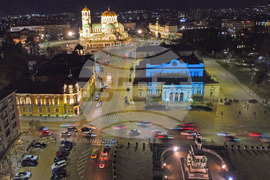
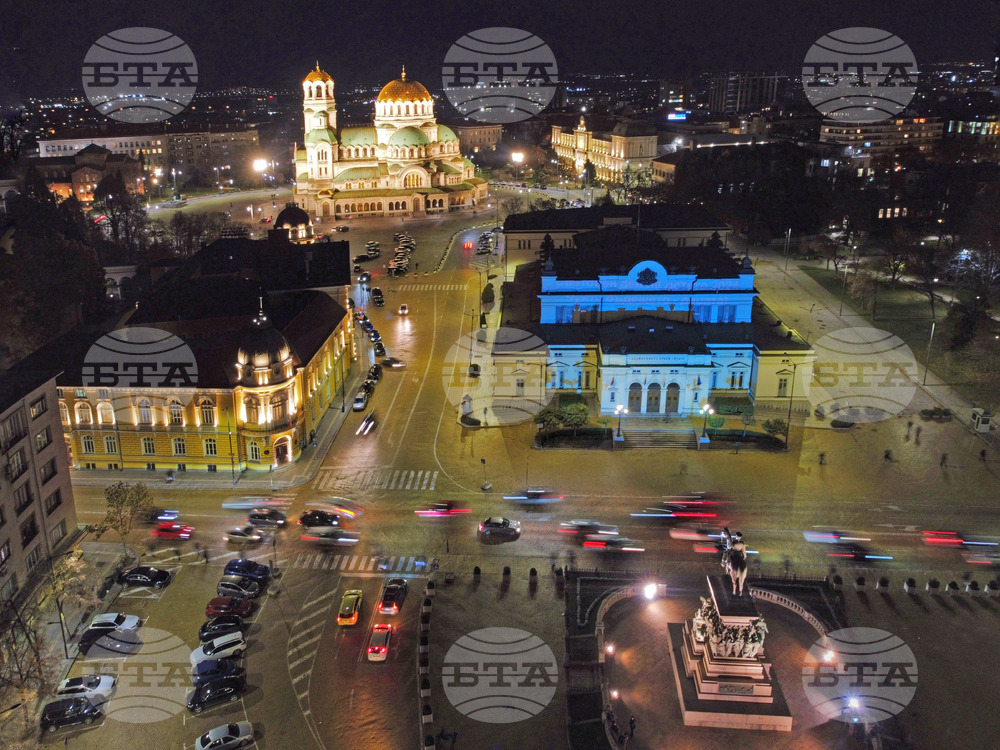
The St Alexander Nevsky Memorial Cathedral, built between 1904 and 1912 on a design by Russian architect Aleksandar Pomerantsev and consecrated in September 1924, occupies an area of 3,170 sq m and can accommodate a congregation of 5,000. With its gold-plated domes, 12 bells in the 53 m high bell tower, frescoes and icons painted by Bulgarian, Russian and Czech artists, the lavishly decorated stone-clad cathedral is among the world’s largest. Eastern Orthodox places of worship. the world. The crypt of St Alexander Nevsky houses the National Gallery’s collection of most precious medieval icons. The cathedral was designated a monument of culture in 1955.
The present-day building of the Basilica of St Sophia dates back to the reign of Roman Emperor Constaintine (early 6th c.) and the city came to be named after it in the 14th c. Beneath it lies a unique archaeological museum preserving the eastern necropolis of Roman Serdica and the foundations of three earlier churches.
The Regional History Museum of Sofia, established in 1928, had its first permanent display opened in December 1941. Since 2015, the Museum has been accommodated at the Central Public Bathhouse, where its exhibits covering over 8,000 years of history can be seen in eight halls aggregating 2,300 sq m.
The Serdica Ancient Cultural and Communicative Complex occupies 6,000 sq m below the ground level in the very centre of the city, showing parts of six streets, including one of ancient Serdica’s two main streets, the decumanus maximus, thermae and five residential, manufacturing and sales buildings, with richly decorated interior typical of the city’s flourishing in the 4th – 6th c. The remains of two of the earliest Christian churches in the area can be found there: the Episcopal Basilica of Protogen (the probable venue of the Council of Serdica in exhibits 343 CE), another basilica, and the late 6th c. residence of Archbishop Leontius. A night view of the National Assembly, the Bulgarian Academy of Sciences and the St Alexander Nevsky Memorial Cathedral, Sofia, November 20, 2024 (BTA Archive Photo/Vladimir Shokov)
news.anonymous.signup
news.anonymous.login
The city is surrounded by five mountains: Mt Vitosha, Mt Plana, Mt Sofia (part of the Balkan Range), Mt Lyulin, and Mt Lozen (part of the Ihtiman Sredna Gora Range). Two tributaries of the River Iskar: the Perlovska and the Vladayska, run through the city.
Sofia’s coat of arms was designed for the Paris World Exposition in 1900, with the motto “Ever Growing, Never Ageing” added in 1911.
The city celebrates its holiday on September 17, the Feast Day of the Holy Martyrs Faith, Hope, Charity and their mother Sophia. It was endorsed by a Sofia Municipal Council resolution on March 25, 1992.
Sofia was a European Capital of Sport in 2018 and World Capital of Sport in 2024.
Rich in parks and gardens, Sofia is one of Europe’s greenest capitals. The largest park is the Boris Garden, the oldest park is the City Garden, and the South Park is home to as many as 65 bird species, almost half of which are protected. The Vitosha Nature Park (the Balkans’ oldest, established in 1933) overlooks the city from the south. Its total area has been increased from 6,410 ha when it was set up to 27,079.114 ha in 1991.
Thermal springs have been an integral part of Sofia’s history since the 6th – 5th c. BCE. There are more than 40 mineral water springs in the area, varying in composition and therapeutic effect. The principal mineral water occurrences can be found in the city centres and in the qualrters of Ovcha Kupel, Knyazhevo, Gorna Banya, Pancharevo and Bankya.
The St Alexander Nevsky Memorial Cathedral, built between 1904 and 1912 on a design by Russian architect Aleksandar Pomerantsev and consecrated in September 1924, occupies an area of 3,170 sq m and can accommodate a congregation of 5,000. With its gold-plated domes, 12 bells in the 53 m high bell tower, frescoes and icons painted by Bulgarian, Russian and Czech artists, the lavishly decorated stone-clad cathedral is among the world’s largest. Eastern Orthodox places of worship. the world. The crypt of St Alexander Nevsky houses the National Gallery’s collection of most precious medieval icons. The cathedral was designated a monument of culture in 1955.
The present-day building of the Basilica of St Sophia dates back to the reign of Roman Emperor Constaintine (early 6th c.) and the city came to be named after it in the 14th c. Beneath it lies a unique archaeological museum preserving the eastern necropolis of Roman Serdica and the foundations of three earlier churches.
The Regional History Museum of Sofia, established in 1928, had its first permanent display opened in December 1941. Since 2015, the Museum has been accommodated at the Central Public Bathhouse, where its exhibits covering over 8,000 years of history can be seen in eight halls aggregating 2,300 sq m.
The Serdica Ancient Cultural and Communicative Complex occupies 6,000 sq m below the ground level in the very centre of the city, showing parts of six streets, including one of ancient Serdica’s two main streets, the decumanus maximus, thermae and five residential, manufacturing and sales buildings, with richly decorated interior typical of the city’s flourishing in the 4th – 6th c. The remains of two of the earliest Christian churches in the area can be found there: the Episcopal Basilica of Protogen (the probable venue of the Council of Serdica in exhibits 343 CE), another basilica, and the late 6th c. residence of Archbishop Leontius. A night view of the National Assembly, the Bulgarian Academy of Sciences and the St Alexander Nevsky Memorial Cathedral, Sofia, November 20, 2024 (BTA Archive Photo/Vladimir Shokov)
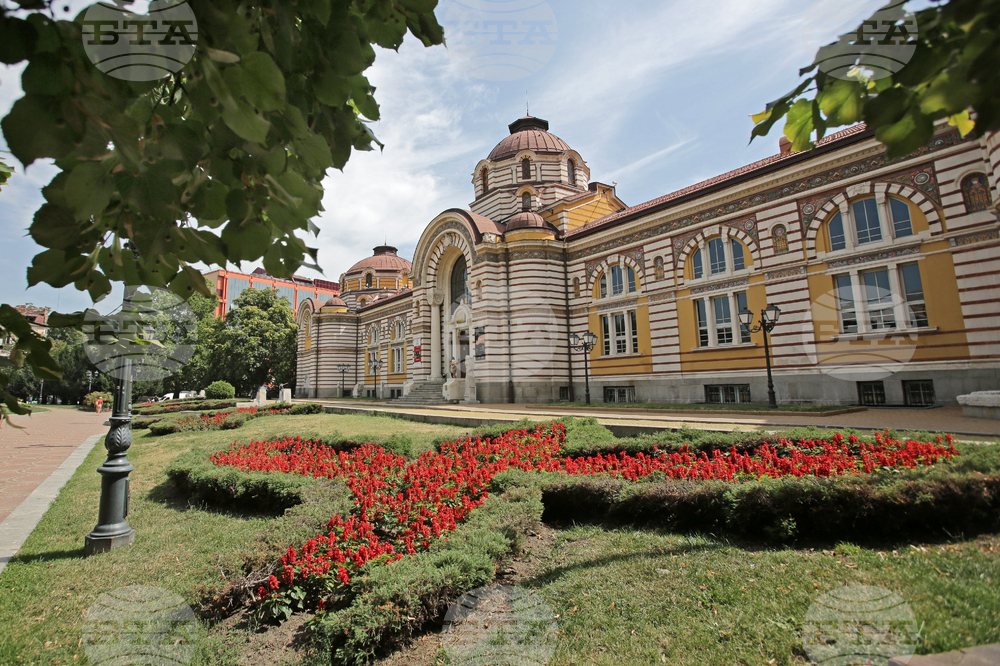
Giro d’Italia in Bulgaria, Stage 3: the Route Comes to Life in Images Captured on Camera by BTA
Sofia was chosen as the capital of Bulgaria on April 3, 1879 by the Constituent Assembly in Tarnovo. Its history dates back over 7,000 years.
The city is surrounded by five mountains: Mt Vitosha, Mt Plana, Mt Sofia (part of the Balkan Range), Mt Lyulin, and Mt Lozen (part of the Ihtiman Sredna Gora Range). Two tributaries of the River Iskar: the Perlovska and the Vladayska, run through the city.
Sofia’s coat of arms was designed for the Paris World Exposition in 1900, with the motto “Ever Growing, Never Ageing” added in 1911.
The city celebrates its holiday on September 17, the Feast Day of the Holy Martyrs Faith, Hope, Charity and their mother Sophia. It was endorsed by a Sofia Municipal Council resolution on March 25, 1992.
Sofia was a European Capital of Sport in 2018 and World Capital of Sport in 2024.
Rich in parks and gardens, Sofia is one of Europe’s greenest capitals. The largest park is the Boris Garden, the oldest park is the City Garden, and the South Park is home to as many as 65 bird species, almost half of which are protected. The Vitosha Nature Park (the Balkans’ oldest, established in 1933) overlooks the city from the south. Its total area has been increased from 6,410 ha when it was set up to 27,079.114 ha in 1991.
Thermal springs have been an integral part of Sofia’s history since the 6th – 5th c. BCE. There are more than 40 mineral water springs in the area, varying in composition and therapeutic effect. The principal mineral water occurrences can be found in the city centres and in the qualrters of Ovcha Kupel, Knyazhevo, Gorna Banya, Pancharevo and Bankya.
The St Alexander Nevsky Memorial Cathedral, built between 1904 and 1912 on a design by Russian architect Aleksandar Pomerantsev and consecrated in September 1924, occupies an area of 3,170 sq m and can accommodate a congregation of 5,000. With its gold-plated domes, 12 bells in the 53 m high bell tower, frescoes and icons painted by Bulgarian, Russian and Czech artists, the lavishly decorated stone-clad cathedral is among the world’s largest. Eastern Orthodox places of worship. the world. The crypt of St Alexander Nevsky houses the National Gallery’s collection of most precious medieval icons. The cathedral was designated a monument of culture in 1955.
The present-day building of the Basilica of St Sophia dates back to the reign of Roman Emperor Constaintine (early 6th c.) and the city came to be named after it in the 14th c. Beneath it lies a unique archaeological museum preserving the eastern necropolis of Roman Serdica and the foundations of three earlier churches.
The Regional History Museum of Sofia, established in 1928, had its first permanent display opened in December 1941. Since 2015, the Museum has been accommodated at the Central Public Bathhouse, where its exhibits covering over 8,000 years of history can be seen in eight halls aggregating 2,300 sq m.
The Serdica Ancient Cultural and Communicative Complex occupies 6,000 sq m below the ground level in the very centre of the city, showing parts of six streets, including one of ancient Serdica’s two main streets, the decumanus maximus, thermae and five residential, manufacturing and sales buildings, with richly decorated interior typical of the city’s flourishing in the 4th – 6th c. The remains of two of the earliest Christian churches in the area can be found there: the Episcopal Basilica of Protogen (the probable venue of the Council of Serdica in exhibits 343 CE), another basilica, and the late 6th c. residence of Archbishop Leontius. Sofia Central Mineral Baths, August 8, 2019 (BTA Photo/Hristo Kasabov)
news.anonymous.signup
news.anonymous.login
The city is surrounded by five mountains: Mt Vitosha, Mt Plana, Mt Sofia (part of the Balkan Range), Mt Lyulin, and Mt Lozen (part of the Ihtiman Sredna Gora Range). Two tributaries of the River Iskar: the Perlovska and the Vladayska, run through the city.
Sofia’s coat of arms was designed for the Paris World Exposition in 1900, with the motto “Ever Growing, Never Ageing” added in 1911.
The city celebrates its holiday on September 17, the Feast Day of the Holy Martyrs Faith, Hope, Charity and their mother Sophia. It was endorsed by a Sofia Municipal Council resolution on March 25, 1992.
Sofia was a European Capital of Sport in 2018 and World Capital of Sport in 2024.
Rich in parks and gardens, Sofia is one of Europe’s greenest capitals. The largest park is the Boris Garden, the oldest park is the City Garden, and the South Park is home to as many as 65 bird species, almost half of which are protected. The Vitosha Nature Park (the Balkans’ oldest, established in 1933) overlooks the city from the south. Its total area has been increased from 6,410 ha when it was set up to 27,079.114 ha in 1991.
Thermal springs have been an integral part of Sofia’s history since the 6th – 5th c. BCE. There are more than 40 mineral water springs in the area, varying in composition and therapeutic effect. The principal mineral water occurrences can be found in the city centres and in the qualrters of Ovcha Kupel, Knyazhevo, Gorna Banya, Pancharevo and Bankya.
The St Alexander Nevsky Memorial Cathedral, built between 1904 and 1912 on a design by Russian architect Aleksandar Pomerantsev and consecrated in September 1924, occupies an area of 3,170 sq m and can accommodate a congregation of 5,000. With its gold-plated domes, 12 bells in the 53 m high bell tower, frescoes and icons painted by Bulgarian, Russian and Czech artists, the lavishly decorated stone-clad cathedral is among the world’s largest. Eastern Orthodox places of worship. the world. The crypt of St Alexander Nevsky houses the National Gallery’s collection of most precious medieval icons. The cathedral was designated a monument of culture in 1955.
The present-day building of the Basilica of St Sophia dates back to the reign of Roman Emperor Constaintine (early 6th c.) and the city came to be named after it in the 14th c. Beneath it lies a unique archaeological museum preserving the eastern necropolis of Roman Serdica and the foundations of three earlier churches.
The Regional History Museum of Sofia, established in 1928, had its first permanent display opened in December 1941. Since 2015, the Museum has been accommodated at the Central Public Bathhouse, where its exhibits covering over 8,000 years of history can be seen in eight halls aggregating 2,300 sq m.
The Serdica Ancient Cultural and Communicative Complex occupies 6,000 sq m below the ground level in the very centre of the city, showing parts of six streets, including one of ancient Serdica’s two main streets, the decumanus maximus, thermae and five residential, manufacturing and sales buildings, with richly decorated interior typical of the city’s flourishing in the 4th – 6th c. The remains of two of the earliest Christian churches in the area can be found there: the Episcopal Basilica of Protogen (the probable venue of the Council of Serdica in exhibits 343 CE), another basilica, and the late 6th c. residence of Archbishop Leontius. Sofia Central Mineral Baths, August 8, 2019 (BTA Photo/Hristo Kasabov)
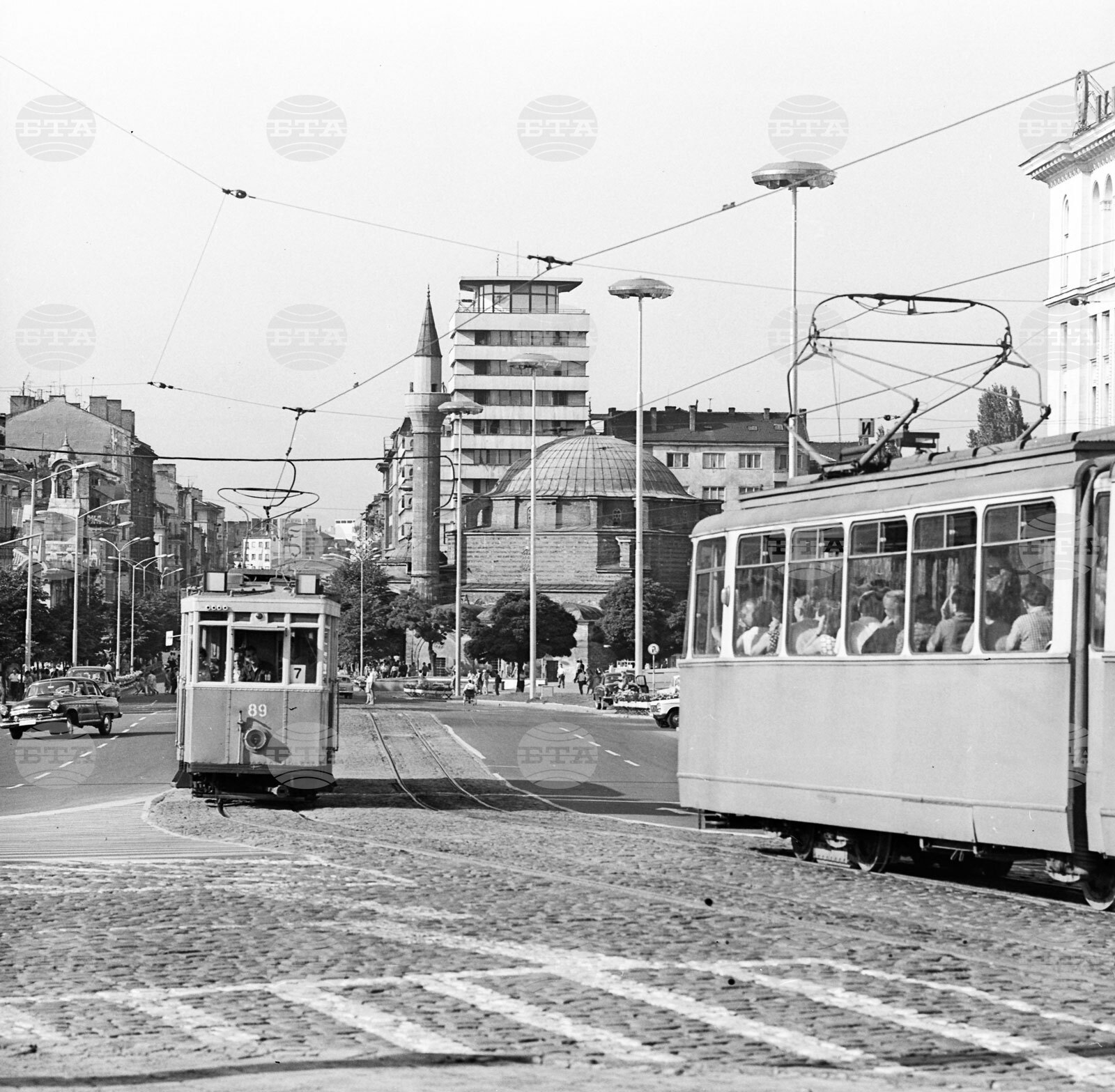
Giro d’Italia in Bulgaria, Stage 3: the Route Comes to Life in Images Captured on Camera by BTA
Sofia was chosen as the capital of Bulgaria on April 3, 1879 by the Constituent Assembly in Tarnovo. Its history dates back over 7,000 years.
The city is surrounded by five mountains: Mt Vitosha, Mt Plana, Mt Sofia (part of the Balkan Range), Mt Lyulin, and Mt Lozen (part of the Ihtiman Sredna Gora Range). Two tributaries of the River Iskar: the Perlovska and the Vladayska, run through the city.
Sofia’s coat of arms was designed for the Paris World Exposition in 1900, with the motto “Ever Growing, Never Ageing” added in 1911.
The city celebrates its holiday on September 17, the Feast Day of the Holy Martyrs Faith, Hope, Charity and their mother Sophia. It was endorsed by a Sofia Municipal Council resolution on March 25, 1992.
Sofia was a European Capital of Sport in 2018 and World Capital of Sport in 2024.
Rich in parks and gardens, Sofia is one of Europe’s greenest capitals. The largest park is the Boris Garden, the oldest park is the City Garden, and the South Park is home to as many as 65 bird species, almost half of which are protected. The Vitosha Nature Park (the Balkans’ oldest, established in 1933) overlooks the city from the south. Its total area has been increased from 6,410 ha when it was set up to 27,079.114 ha in 1991.
Thermal springs have been an integral part of Sofia’s history since the 6th – 5th c. BCE. There are more than 40 mineral water springs in the area, varying in composition and therapeutic effect. The principal mineral water occurrences can be found in the city centres and in the qualrters of Ovcha Kupel, Knyazhevo, Gorna Banya, Pancharevo and Bankya.
The St Alexander Nevsky Memorial Cathedral, built between 1904 and 1912 on a design by Russian architect Aleksandar Pomerantsev and consecrated in September 1924, occupies an area of 3,170 sq m and can accommodate a congregation of 5,000. With its gold-plated domes, 12 bells in the 53 m high bell tower, frescoes and icons painted by Bulgarian, Russian and Czech artists, the lavishly decorated stone-clad cathedral is among the world’s largest. Eastern Orthodox places of worship. the world. The crypt of St Alexander Nevsky houses the National Gallery’s collection of most precious medieval icons. The cathedral was designated a monument of culture in 1955.
The present-day building of the Basilica of St Sophia dates back to the reign of Roman Emperor Constaintine (early 6th c.) and the city came to be named after it in the 14th c. Beneath it lies a unique archaeological museum preserving the eastern necropolis of Roman Serdica and the foundations of three earlier churches.
The Regional History Museum of Sofia, established in 1928, had its first permanent display opened in December 1941. Since 2015, the Museum has been accommodated at the Central Public Bathhouse, where its exhibits covering over 8,000 years of history can be seen in eight halls aggregating 2,300 sq m.
The Serdica Ancient Cultural and Communicative Complex occupies 6,000 sq m below the ground level in the very centre of the city, showing parts of six streets, including one of ancient Serdica’s two main streets, the decumanus maximus, thermae and five residential, manufacturing and sales buildings, with richly decorated interior typical of the city’s flourishing in the 4th – 6th c. The remains of two of the earliest Christian churches in the area can be found there: the Episcopal Basilica of Protogen (the probable venue of the Council of Serdica in exhibits 343 CE), another basilica, and the late 6th c. residence of Archbishop Leontius. A view of the city centre, with the Banya Bashi Mosque in the foreground, Sofia, May 5, 1971 (BTA Archive Photo/Georgi Dermendzhiev)
news.anonymous.signup
news.anonymous.login
The city is surrounded by five mountains: Mt Vitosha, Mt Plana, Mt Sofia (part of the Balkan Range), Mt Lyulin, and Mt Lozen (part of the Ihtiman Sredna Gora Range). Two tributaries of the River Iskar: the Perlovska and the Vladayska, run through the city.
Sofia’s coat of arms was designed for the Paris World Exposition in 1900, with the motto “Ever Growing, Never Ageing” added in 1911.
The city celebrates its holiday on September 17, the Feast Day of the Holy Martyrs Faith, Hope, Charity and their mother Sophia. It was endorsed by a Sofia Municipal Council resolution on March 25, 1992.
Sofia was a European Capital of Sport in 2018 and World Capital of Sport in 2024.
Rich in parks and gardens, Sofia is one of Europe’s greenest capitals. The largest park is the Boris Garden, the oldest park is the City Garden, and the South Park is home to as many as 65 bird species, almost half of which are protected. The Vitosha Nature Park (the Balkans’ oldest, established in 1933) overlooks the city from the south. Its total area has been increased from 6,410 ha when it was set up to 27,079.114 ha in 1991.
Thermal springs have been an integral part of Sofia’s history since the 6th – 5th c. BCE. There are more than 40 mineral water springs in the area, varying in composition and therapeutic effect. The principal mineral water occurrences can be found in the city centres and in the qualrters of Ovcha Kupel, Knyazhevo, Gorna Banya, Pancharevo and Bankya.
The St Alexander Nevsky Memorial Cathedral, built between 1904 and 1912 on a design by Russian architect Aleksandar Pomerantsev and consecrated in September 1924, occupies an area of 3,170 sq m and can accommodate a congregation of 5,000. With its gold-plated domes, 12 bells in the 53 m high bell tower, frescoes and icons painted by Bulgarian, Russian and Czech artists, the lavishly decorated stone-clad cathedral is among the world’s largest. Eastern Orthodox places of worship. the world. The crypt of St Alexander Nevsky houses the National Gallery’s collection of most precious medieval icons. The cathedral was designated a monument of culture in 1955.
The present-day building of the Basilica of St Sophia dates back to the reign of Roman Emperor Constaintine (early 6th c.) and the city came to be named after it in the 14th c. Beneath it lies a unique archaeological museum preserving the eastern necropolis of Roman Serdica and the foundations of three earlier churches.
The Regional History Museum of Sofia, established in 1928, had its first permanent display opened in December 1941. Since 2015, the Museum has been accommodated at the Central Public Bathhouse, where its exhibits covering over 8,000 years of history can be seen in eight halls aggregating 2,300 sq m.
The Serdica Ancient Cultural and Communicative Complex occupies 6,000 sq m below the ground level in the very centre of the city, showing parts of six streets, including one of ancient Serdica’s two main streets, the decumanus maximus, thermae and five residential, manufacturing and sales buildings, with richly decorated interior typical of the city’s flourishing in the 4th – 6th c. The remains of two of the earliest Christian churches in the area can be found there: the Episcopal Basilica of Protogen (the probable venue of the Council of Serdica in exhibits 343 CE), another basilica, and the late 6th c. residence of Archbishop Leontius. A view of the city centre, with the Banya Bashi Mosque in the foreground, Sofia, May 5, 1971 (BTA Archive Photo/Georgi Dermendzhiev)
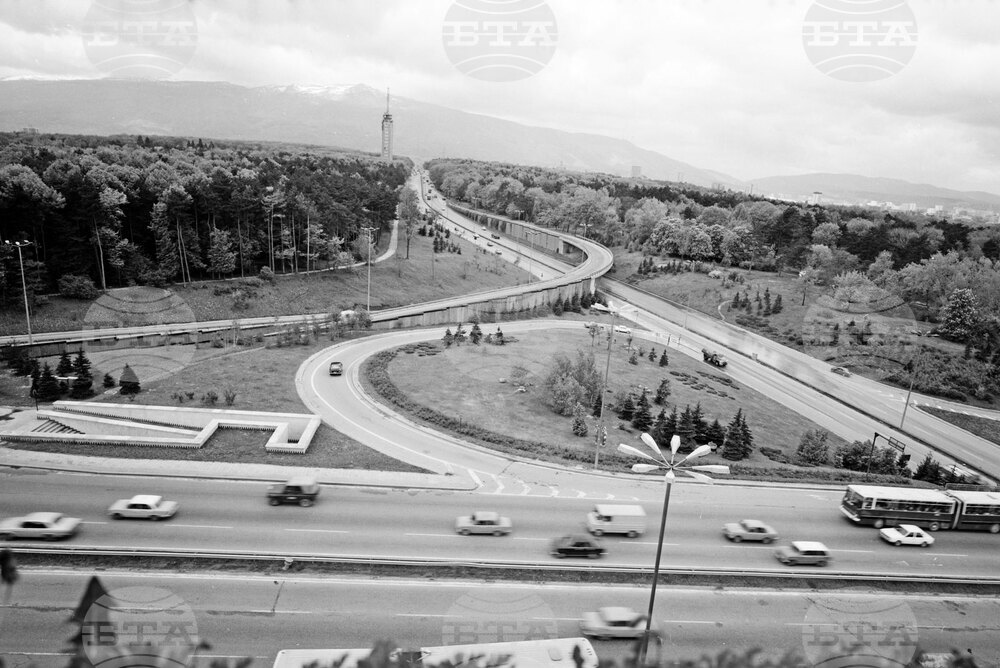
Giro d’Italia in Bulgaria, Stage 3: the Route Comes to Life in Images Captured on Camera by BTA
Sofia was chosen as the capital of Bulgaria on April 3, 1879 by the Constituent Assembly in Tarnovo. Its history dates back over 7,000 years.
The city is surrounded by five mountains: Mt Vitosha, Mt Plana, Mt Sofia (part of the Balkan Range), Mt Lyulin, and Mt Lozen (part of the Ihtiman Sredna Gora Range). Two tributaries of the River Iskar: the Perlovska and the Vladayska, run through the city.
Sofia’s coat of arms was designed for the Paris World Exposition in 1900, with the motto “Ever Growing, Never Ageing” added in 1911.
The city celebrates its holiday on September 17, the Feast Day of the Holy Martyrs Faith, Hope, Charity and their mother Sophia. It was endorsed by a Sofia Municipal Council resolution on March 25, 1992.
Sofia was a European Capital of Sport in 2018 and World Capital of Sport in 2024.
Rich in parks and gardens, Sofia is one of Europe’s greenest capitals. The largest park is the Boris Garden, the oldest park is the City Garden, and the South Park is home to as many as 65 bird species, almost half of which are protected. The Vitosha Nature Park (the Balkans’ oldest, established in 1933) overlooks the city from the south. Its total area has been increased from 6,410 ha when it was set up to 27,079.114 ha in 1991.
Thermal springs have been an integral part of Sofia’s history since the 6th – 5th c. BCE. There are more than 40 mineral water springs in the area, varying in composition and therapeutic effect. The principal mineral water occurrences can be found in the city centres and in the qualrters of Ovcha Kupel, Knyazhevo, Gorna Banya, Pancharevo and Bankya.
The St Alexander Nevsky Memorial Cathedral, built between 1904 and 1912 on a design by Russian architect Aleksandar Pomerantsev and consecrated in September 1924, occupies an area of 3,170 sq m and can accommodate a congregation of 5,000. With its gold-plated domes, 12 bells in the 53 m high bell tower, frescoes and icons painted by Bulgarian, Russian and Czech artists, the lavishly decorated stone-clad cathedral is among the world’s largest. Eastern Orthodox places of worship. the world. The crypt of St Alexander Nevsky houses the National Gallery’s collection of most precious medieval icons. The cathedral was designated a monument of culture in 1955.
The present-day building of the Basilica of St Sophia dates back to the reign of Roman Emperor Constaintine (early 6th c.) and the city came to be named after it in the 14th c. Beneath it lies a unique archaeological museum preserving the eastern necropolis of Roman Serdica and the foundations of three earlier churches.
The Regional History Museum of Sofia, established in 1928, had its first permanent display opened in December 1941. Since 2015, the Museum has been accommodated at the Central Public Bathhouse, where its exhibits covering over 8,000 years of history can be seen in eight halls aggregating 2,300 sq m.
The Serdica Ancient Cultural and Communicative Complex occupies 6,000 sq m below the ground level in the very centre of the city, showing parts of six streets, including one of ancient Serdica’s two main streets, the decumanus maximus, thermae and five residential, manufacturing and sales buildings, with richly decorated interior typical of the city’s flourishing in the 4th – 6th c. The remains of two of the earliest Christian churches in the area can be found there: the Episcopal Basilica of Protogen (the probable venue of the Council of Serdica in exhibits 343 CE), another basilica, and the late 6th c. residence of Archbishop Leontius. The Tsarigradsko Shose Boulevard, Sofia, May 15, 1984 (BTA Archive Photo/Oleg Popov)
news.anonymous.signup
news.anonymous.login
The city is surrounded by five mountains: Mt Vitosha, Mt Plana, Mt Sofia (part of the Balkan Range), Mt Lyulin, and Mt Lozen (part of the Ihtiman Sredna Gora Range). Two tributaries of the River Iskar: the Perlovska and the Vladayska, run through the city.
Sofia’s coat of arms was designed for the Paris World Exposition in 1900, with the motto “Ever Growing, Never Ageing” added in 1911.
The city celebrates its holiday on September 17, the Feast Day of the Holy Martyrs Faith, Hope, Charity and their mother Sophia. It was endorsed by a Sofia Municipal Council resolution on March 25, 1992.
Sofia was a European Capital of Sport in 2018 and World Capital of Sport in 2024.
Rich in parks and gardens, Sofia is one of Europe’s greenest capitals. The largest park is the Boris Garden, the oldest park is the City Garden, and the South Park is home to as many as 65 bird species, almost half of which are protected. The Vitosha Nature Park (the Balkans’ oldest, established in 1933) overlooks the city from the south. Its total area has been increased from 6,410 ha when it was set up to 27,079.114 ha in 1991.
Thermal springs have been an integral part of Sofia’s history since the 6th – 5th c. BCE. There are more than 40 mineral water springs in the area, varying in composition and therapeutic effect. The principal mineral water occurrences can be found in the city centres and in the qualrters of Ovcha Kupel, Knyazhevo, Gorna Banya, Pancharevo and Bankya.
The St Alexander Nevsky Memorial Cathedral, built between 1904 and 1912 on a design by Russian architect Aleksandar Pomerantsev and consecrated in September 1924, occupies an area of 3,170 sq m and can accommodate a congregation of 5,000. With its gold-plated domes, 12 bells in the 53 m high bell tower, frescoes and icons painted by Bulgarian, Russian and Czech artists, the lavishly decorated stone-clad cathedral is among the world’s largest. Eastern Orthodox places of worship. the world. The crypt of St Alexander Nevsky houses the National Gallery’s collection of most precious medieval icons. The cathedral was designated a monument of culture in 1955.
The present-day building of the Basilica of St Sophia dates back to the reign of Roman Emperor Constaintine (early 6th c.) and the city came to be named after it in the 14th c. Beneath it lies a unique archaeological museum preserving the eastern necropolis of Roman Serdica and the foundations of three earlier churches.
The Regional History Museum of Sofia, established in 1928, had its first permanent display opened in December 1941. Since 2015, the Museum has been accommodated at the Central Public Bathhouse, where its exhibits covering over 8,000 years of history can be seen in eight halls aggregating 2,300 sq m.
The Serdica Ancient Cultural and Communicative Complex occupies 6,000 sq m below the ground level in the very centre of the city, showing parts of six streets, including one of ancient Serdica’s two main streets, the decumanus maximus, thermae and five residential, manufacturing and sales buildings, with richly decorated interior typical of the city’s flourishing in the 4th – 6th c. The remains of two of the earliest Christian churches in the area can be found there: the Episcopal Basilica of Protogen (the probable venue of the Council of Serdica in exhibits 343 CE), another basilica, and the late 6th c. residence of Archbishop Leontius. The Tsarigradsko Shose Boulevard, Sofia, May 15, 1984 (BTA Archive Photo/Oleg Popov)
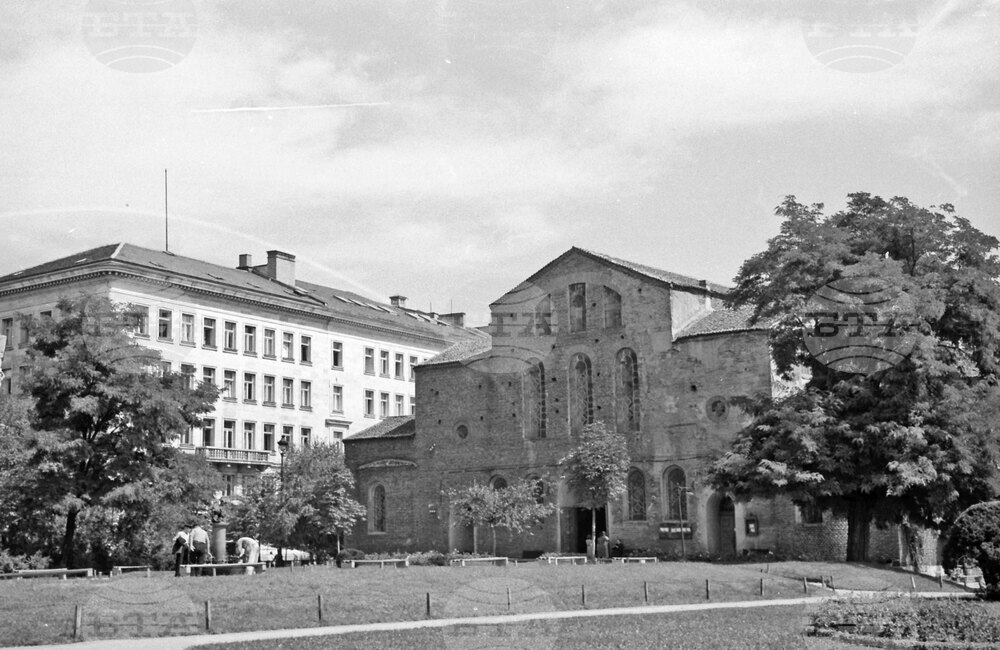
Giro d’Italia in Bulgaria, Stage 3: the Route Comes to Life in Images Captured on Camera by BTA
Sofia was chosen as the capital of Bulgaria on April 3, 1879 by the Constituent Assembly in Tarnovo. Its history dates back over 7,000 years.
The city is surrounded by five mountains: Mt Vitosha, Mt Plana, Mt Sofia (part of the Balkan Range), Mt Lyulin, and Mt Lozen (part of the Ihtiman Sredna Gora Range). Two tributaries of the River Iskar: the Perlovska and the Vladayska, run through the city.
Sofia’s coat of arms was designed for the Paris World Exposition in 1900, with the motto “Ever Growing, Never Ageing” added in 1911.
The city celebrates its holiday on September 17, the Feast Day of the Holy Martyrs Faith, Hope, Charity and their mother Sophia. It was endorsed by a Sofia Municipal Council resolution on March 25, 1992.
Sofia was a European Capital of Sport in 2018 and World Capital of Sport in 2024.
Rich in parks and gardens, Sofia is one of Europe’s greenest capitals. The largest park is the Boris Garden, the oldest park is the City Garden, and the South Park is home to as many as 65 bird species, almost half of which are protected. The Vitosha Nature Park (the Balkans’ oldest, established in 1933) overlooks the city from the south. Its total area has been increased from 6,410 ha when it was set up to 27,079.114 ha in 1991.
Thermal springs have been an integral part of Sofia’s history since the 6th – 5th c. BCE. There are more than 40 mineral water springs in the area, varying in composition and therapeutic effect. The principal mineral water occurrences can be found in the city centres and in the qualrters of Ovcha Kupel, Knyazhevo, Gorna Banya, Pancharevo and Bankya.
The St Alexander Nevsky Memorial Cathedral, built between 1904 and 1912 on a design by Russian architect Aleksandar Pomerantsev and consecrated in September 1924, occupies an area of 3,170 sq m and can accommodate a congregation of 5,000. With its gold-plated domes, 12 bells in the 53 m high bell tower, frescoes and icons painted by Bulgarian, Russian and Czech artists, the lavishly decorated stone-clad cathedral is among the world’s largest. Eastern Orthodox places of worship. the world. The crypt of St Alexander Nevsky houses the National Gallery’s collection of most precious medieval icons. The cathedral was designated a monument of culture in 1955.
The present-day building of the Basilica of St Sophia dates back to the reign of Roman Emperor Constaintine (early 6th c.) and the city came to be named after it in the 14th c. Beneath it lies a unique archaeological museum preserving the eastern necropolis of Roman Serdica and the foundations of three earlier churches.
The Regional History Museum of Sofia, established in 1928, had its first permanent display opened in December 1941. Since 2015, the Museum has been accommodated at the Central Public Bathhouse, where its exhibits covering over 8,000 years of history can be seen in eight halls aggregating 2,300 sq m.
The Serdica Ancient Cultural and Communicative Complex occupies 6,000 sq m below the ground level in the very centre of the city, showing parts of six streets, including one of ancient Serdica’s two main streets, the decumanus maximus, thermae and five residential, manufacturing and sales buildings, with richly decorated interior typical of the city’s flourishing in the 4th – 6th c. The remains of two of the earliest Christian churches in the area can be found there: the Episcopal Basilica of Protogen (the probable venue of the Council of Serdica in exhibits 343 CE), another basilica, and the late 6th c. residence of Archbishop Leontius. Basilica of St Sophia. August 30, 1952 (BTA Photo/Violeta Popova)
news.anonymous.signup
news.anonymous.login
The city is surrounded by five mountains: Mt Vitosha, Mt Plana, Mt Sofia (part of the Balkan Range), Mt Lyulin, and Mt Lozen (part of the Ihtiman Sredna Gora Range). Two tributaries of the River Iskar: the Perlovska and the Vladayska, run through the city.
Sofia’s coat of arms was designed for the Paris World Exposition in 1900, with the motto “Ever Growing, Never Ageing” added in 1911.
The city celebrates its holiday on September 17, the Feast Day of the Holy Martyrs Faith, Hope, Charity and their mother Sophia. It was endorsed by a Sofia Municipal Council resolution on March 25, 1992.
Sofia was a European Capital of Sport in 2018 and World Capital of Sport in 2024.
Rich in parks and gardens, Sofia is one of Europe’s greenest capitals. The largest park is the Boris Garden, the oldest park is the City Garden, and the South Park is home to as many as 65 bird species, almost half of which are protected. The Vitosha Nature Park (the Balkans’ oldest, established in 1933) overlooks the city from the south. Its total area has been increased from 6,410 ha when it was set up to 27,079.114 ha in 1991.
Thermal springs have been an integral part of Sofia’s history since the 6th – 5th c. BCE. There are more than 40 mineral water springs in the area, varying in composition and therapeutic effect. The principal mineral water occurrences can be found in the city centres and in the qualrters of Ovcha Kupel, Knyazhevo, Gorna Banya, Pancharevo and Bankya.
The St Alexander Nevsky Memorial Cathedral, built between 1904 and 1912 on a design by Russian architect Aleksandar Pomerantsev and consecrated in September 1924, occupies an area of 3,170 sq m and can accommodate a congregation of 5,000. With its gold-plated domes, 12 bells in the 53 m high bell tower, frescoes and icons painted by Bulgarian, Russian and Czech artists, the lavishly decorated stone-clad cathedral is among the world’s largest. Eastern Orthodox places of worship. the world. The crypt of St Alexander Nevsky houses the National Gallery’s collection of most precious medieval icons. The cathedral was designated a monument of culture in 1955.
The present-day building of the Basilica of St Sophia dates back to the reign of Roman Emperor Constaintine (early 6th c.) and the city came to be named after it in the 14th c. Beneath it lies a unique archaeological museum preserving the eastern necropolis of Roman Serdica and the foundations of three earlier churches.
The Regional History Museum of Sofia, established in 1928, had its first permanent display opened in December 1941. Since 2015, the Museum has been accommodated at the Central Public Bathhouse, where its exhibits covering over 8,000 years of history can be seen in eight halls aggregating 2,300 sq m.
The Serdica Ancient Cultural and Communicative Complex occupies 6,000 sq m below the ground level in the very centre of the city, showing parts of six streets, including one of ancient Serdica’s two main streets, the decumanus maximus, thermae and five residential, manufacturing and sales buildings, with richly decorated interior typical of the city’s flourishing in the 4th – 6th c. The remains of two of the earliest Christian churches in the area can be found there: the Episcopal Basilica of Protogen (the probable venue of the Council of Serdica in exhibits 343 CE), another basilica, and the late 6th c. residence of Archbishop Leontius. Basilica of St Sophia. August 30, 1952 (BTA Photo/Violeta Popova)
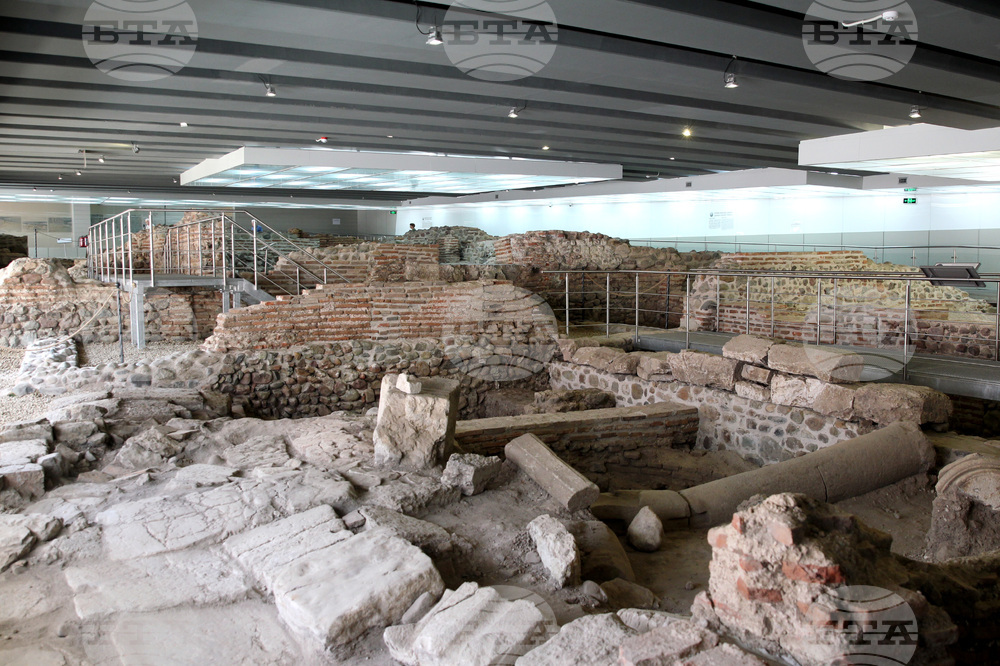
Giro d’Italia in Bulgaria, Stage 3: the Route Comes to Life in Images Captured on Camera by BTA
Sofia was chosen as the capital of Bulgaria on April 3, 1879 by the Constituent Assembly in Tarnovo. Its history dates back over 7,000 years.
The city is surrounded by five mountains: Mt Vitosha, Mt Plana, Mt Sofia (part of the Balkan Range), Mt Lyulin, and Mt Lozen (part of the Ihtiman Sredna Gora Range). Two tributaries of the River Iskar: the Perlovska and the Vladayska, run through the city.
Sofia’s coat of arms was designed for the Paris World Exposition in 1900, with the motto “Ever Growing, Never Ageing” added in 1911.
The city celebrates its holiday on September 17, the Feast Day of the Holy Martyrs Faith, Hope, Charity and their mother Sophia. It was endorsed by a Sofia Municipal Council resolution on March 25, 1992.
Sofia was a European Capital of Sport in 2018 and World Capital of Sport in 2024.
Rich in parks and gardens, Sofia is one of Europe’s greenest capitals. The largest park is the Boris Garden, the oldest park is the City Garden, and the South Park is home to as many as 65 bird species, almost half of which are protected. The Vitosha Nature Park (the Balkans’ oldest, established in 1933) overlooks the city from the south. Its total area has been increased from 6,410 ha when it was set up to 27,079.114 ha in 1991.
Thermal springs have been an integral part of Sofia’s history since the 6th – 5th c. BCE. There are more than 40 mineral water springs in the area, varying in composition and therapeutic effect. The principal mineral water occurrences can be found in the city centres and in the qualrters of Ovcha Kupel, Knyazhevo, Gorna Banya, Pancharevo and Bankya.
The St Alexander Nevsky Memorial Cathedral, built between 1904 and 1912 on a design by Russian architect Aleksandar Pomerantsev and consecrated in September 1924, occupies an area of 3,170 sq m and can accommodate a congregation of 5,000. With its gold-plated domes, 12 bells in the 53 m high bell tower, frescoes and icons painted by Bulgarian, Russian and Czech artists, the lavishly decorated stone-clad cathedral is among the world’s largest. Eastern Orthodox places of worship. the world. The crypt of St Alexander Nevsky houses the National Gallery’s collection of most precious medieval icons. The cathedral was designated a monument of culture in 1955.
The present-day building of the Basilica of St Sophia dates back to the reign of Roman Emperor Constaintine (early 6th c.) and the city came to be named after it in the 14th c. Beneath it lies a unique archaeological museum preserving the eastern necropolis of Roman Serdica and the foundations of three earlier churches.
The Regional History Museum of Sofia, established in 1928, had its first permanent display opened in December 1941. Since 2015, the Museum has been accommodated at the Central Public Bathhouse, where its exhibits covering over 8,000 years of history can be seen in eight halls aggregating 2,300 sq m.
The Serdica Ancient Cultural and Communicative Complex occupies 6,000 sq m below the ground level in the very centre of the city, showing parts of six streets, including one of ancient Serdica’s two main streets, the decumanus maximus, thermae and five residential, manufacturing and sales buildings, with richly decorated interior typical of the city’s flourishing in the 4th – 6th c. The remains of two of the earliest Christian churches in the area can be found there: the Episcopal Basilica of Protogen (the probable venue of the Council of Serdica in exhibits 343 CE), another basilica, and the late 6th c. residence of Archbishop Leontius. Serdica Ancient Cultural and Communicative Complex September 17, 2019 (BTA Photo/Tsvetomir Petrov)
news.anonymous.signup
news.anonymous.login
The city is surrounded by five mountains: Mt Vitosha, Mt Plana, Mt Sofia (part of the Balkan Range), Mt Lyulin, and Mt Lozen (part of the Ihtiman Sredna Gora Range). Two tributaries of the River Iskar: the Perlovska and the Vladayska, run through the city.
Sofia’s coat of arms was designed for the Paris World Exposition in 1900, with the motto “Ever Growing, Never Ageing” added in 1911.
The city celebrates its holiday on September 17, the Feast Day of the Holy Martyrs Faith, Hope, Charity and their mother Sophia. It was endorsed by a Sofia Municipal Council resolution on March 25, 1992.
Sofia was a European Capital of Sport in 2018 and World Capital of Sport in 2024.
Rich in parks and gardens, Sofia is one of Europe’s greenest capitals. The largest park is the Boris Garden, the oldest park is the City Garden, and the South Park is home to as many as 65 bird species, almost half of which are protected. The Vitosha Nature Park (the Balkans’ oldest, established in 1933) overlooks the city from the south. Its total area has been increased from 6,410 ha when it was set up to 27,079.114 ha in 1991.
Thermal springs have been an integral part of Sofia’s history since the 6th – 5th c. BCE. There are more than 40 mineral water springs in the area, varying in composition and therapeutic effect. The principal mineral water occurrences can be found in the city centres and in the qualrters of Ovcha Kupel, Knyazhevo, Gorna Banya, Pancharevo and Bankya.
The St Alexander Nevsky Memorial Cathedral, built between 1904 and 1912 on a design by Russian architect Aleksandar Pomerantsev and consecrated in September 1924, occupies an area of 3,170 sq m and can accommodate a congregation of 5,000. With its gold-plated domes, 12 bells in the 53 m high bell tower, frescoes and icons painted by Bulgarian, Russian and Czech artists, the lavishly decorated stone-clad cathedral is among the world’s largest. Eastern Orthodox places of worship. the world. The crypt of St Alexander Nevsky houses the National Gallery’s collection of most precious medieval icons. The cathedral was designated a monument of culture in 1955.
The present-day building of the Basilica of St Sophia dates back to the reign of Roman Emperor Constaintine (early 6th c.) and the city came to be named after it in the 14th c. Beneath it lies a unique archaeological museum preserving the eastern necropolis of Roman Serdica and the foundations of three earlier churches.
The Regional History Museum of Sofia, established in 1928, had its first permanent display opened in December 1941. Since 2015, the Museum has been accommodated at the Central Public Bathhouse, where its exhibits covering over 8,000 years of history can be seen in eight halls aggregating 2,300 sq m.
The Serdica Ancient Cultural and Communicative Complex occupies 6,000 sq m below the ground level in the very centre of the city, showing parts of six streets, including one of ancient Serdica’s two main streets, the decumanus maximus, thermae and five residential, manufacturing and sales buildings, with richly decorated interior typical of the city’s flourishing in the 4th – 6th c. The remains of two of the earliest Christian churches in the area can be found there: the Episcopal Basilica of Protogen (the probable venue of the Council of Serdica in exhibits 343 CE), another basilica, and the late 6th c. residence of Archbishop Leontius. Serdica Ancient Cultural and Communicative Complex September 17, 2019 (BTA Photo/Tsvetomir Petrov)
Buy a photo
Please confirm photo buy. If you continue this purchase will be deducted from your active subscription.
Photo Download
Please confirm photo download