site.bta2026 State Budget to Require Difficult Decisions so Bulgaria Does Not Lose Good Fiscal Position - Finance Minister
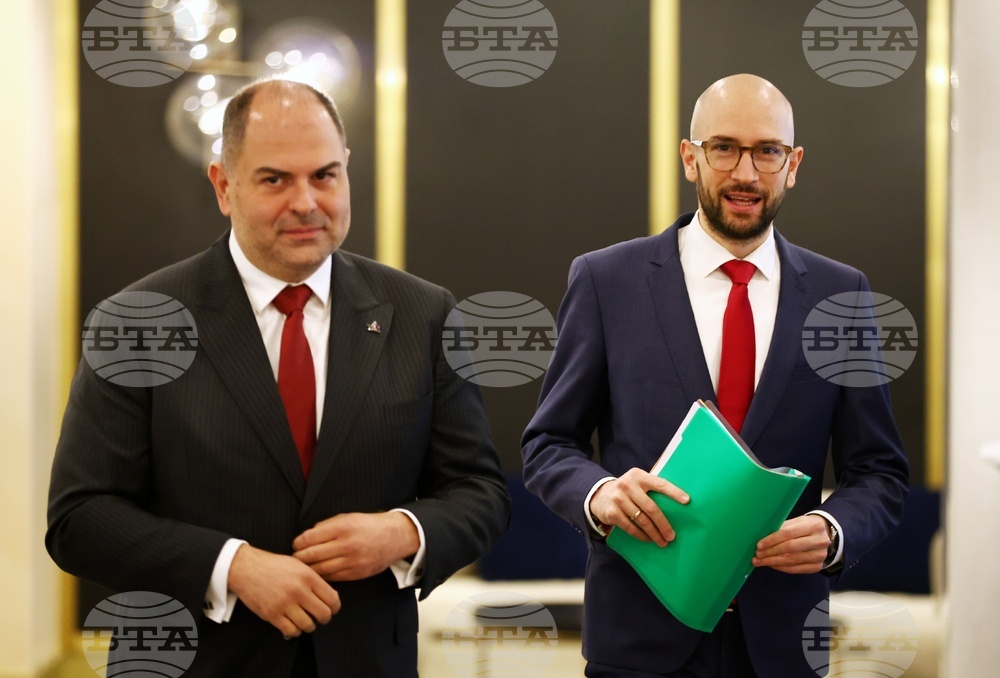
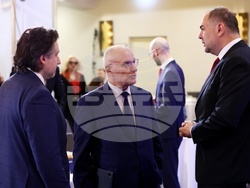
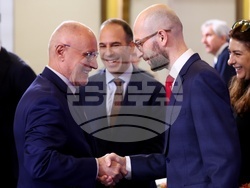
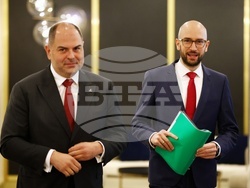
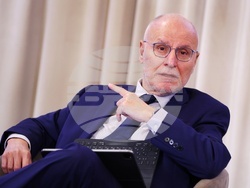
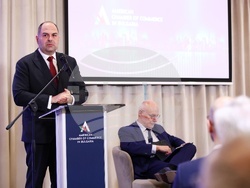
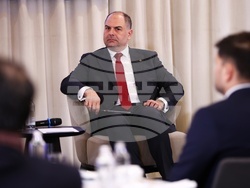
The 2026 state budget will require difficult decisions aimed at optimizing public spending, as Bulgaria otherwise risks losing its good fiscal position, caretaker Finance Minister Georgi Klisurski said here on Friday. He was speaking during a business breakfast on "Bulgaria 2026: Economic Prospects", organized by the American Chamber of Commerce in Bulgaria. Klisurski noted that drafting and adopting a regular budget is of utmost importance, as the country’s current financial and fiscal situation is on autopilot, and trends do not bode well.
"Whoever prepares the 2026 state budget - whether it’s our team or the next government - and whoever adopts the 2026 budget in Parliament after the elections will have to make some difficult and decisive decisions. And they may not be easy," Klisurski said.
According to him, these decisions will need to be aimed at reforming the expenditure side of public finances. "I think that in Bulgaria we must first focus on optimizing expenditures, controlling expenditures, and the appropriate use of public funds," said the caretaker Finance Minister. He expressed the view that some of the public expenditures generated on a daily basis could be reduced.
"We need to start thinking from the bottom up in various sectors and across different government agencies - at least with regard to certain issues - and truly reassess whether we actually need all the expenses we are currently incurring. Do we need all these processes? Do we need all these people or positions?" said Klisurski.
According to him, if these questions are subjected to serious analysis, it will become clear that there is significant room for optimizing expenditures.
The caretaker Minister also outlined the challenges facing the absorption of payments under the National Recovery and Resilience Plan. He noted that on Thursday evening, the caretaker government submitted a request to the European Commission for the fourth payment of approximately EUR 1 billion, and a final payment of about EUR 2.5 billion is expected in October or November. According to him, the challenges regarding these funds stem from the fact that Bulgaria must invest EUR 4 billion in the economy by the end of August to receive these payments. “It will not be easy, but we will manage,” he said.
He stated that by the end of the year, Bulgaria will meet all the criteria for membership in the Organisation for Economic Co-operation and Development (OECD), expressing the hope that Bulgaria will officially join at the beginning of 2027.
/RY/
Additional
news.modal.image.header
news.modal.image.text
news.modal.download.header
news.modal.download.text
news.modal.header
news.modal.text