site.btaParliament Approves First-Reading Criminal Code Amendments to Criminalize Violations of EU Restrictive Measures
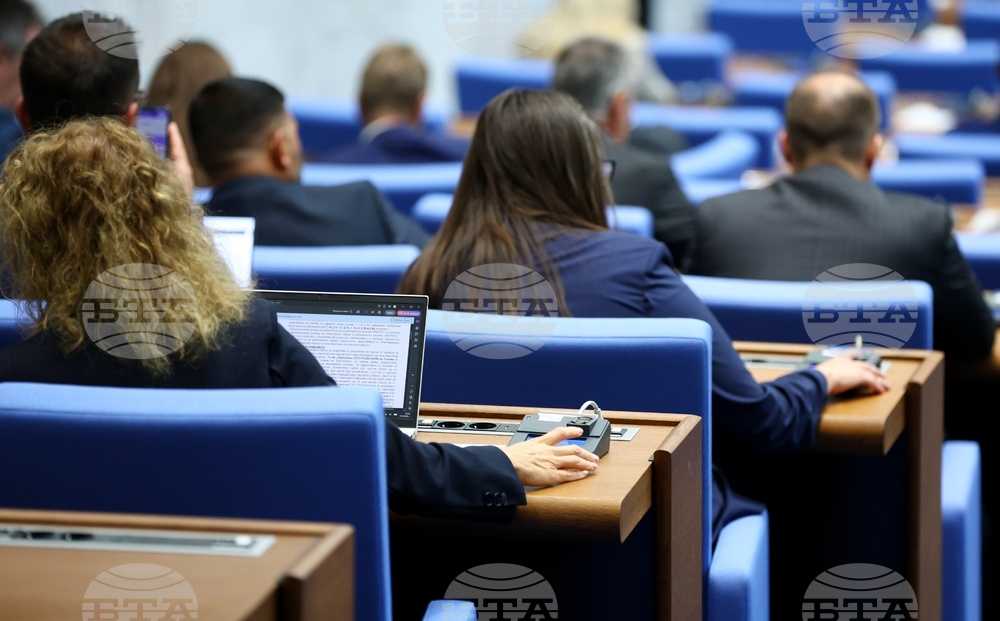
Parliament Thursday voted 183-10 to approve at first reading amendments to the Criminal Code related to the transposition of a European directive on the definition of criminal offences and penalties for the violation of EU restrictive measures. The revisions were supported by MPs from all parliamentary groups except Vazrazhdane, whose members voted against.
The bill provides for certain forms of violations of EU restrictive measures, as well as actions aimed at circumventing them, to be criminalized as offenses. The proposed penalties include imprisonment, fines and, in certain cases, disqualification from exercising certain rights.
Justice Minister Nikolay Naydenov said the bill had been drafted by an interagency working group. He noted that the deadline for transposing the directive had expired and that the European Commission had initiated an infringement procedure against Bulgaria. For this reason, it is of paramount importance that the amendments and additions proposed in the bill be supported, Naydenov added.
The amendments would create a new chapter in the Criminal Code titled “Crimes against European Union restrictive measures.” It would criminalize various forms of violations of EU restrictive measures, including breaches of measures involving the freezing of funds or economic resources; violations of restrictions on admitting certain individuals to the territory of a member state, including travel bans; violations of prohibitions or restrictions on entering into or continuing transactions in any form, including public procurement contracts and concessions; violations of prohibitions on providing financial services or carrying out financial activities, including financing, providing financial assistance, investments and investment services, as well as accepting deposits; and violations related to the provision of non-financial services, including legal advice, trust and fiduciary services, accounting and auditing services, and others.
The bill provides that the provision of humanitarian assistance to people in need will remain outside the scope of the criminal provisions when such assistance is provided in accordance with the principles of impartiality, humanity, neutrality and independence.
/PP/
news.modal.header
news.modal.text