site.btaTurkiye's Opposition Pushes for By-Elections and Possible Early National Elections
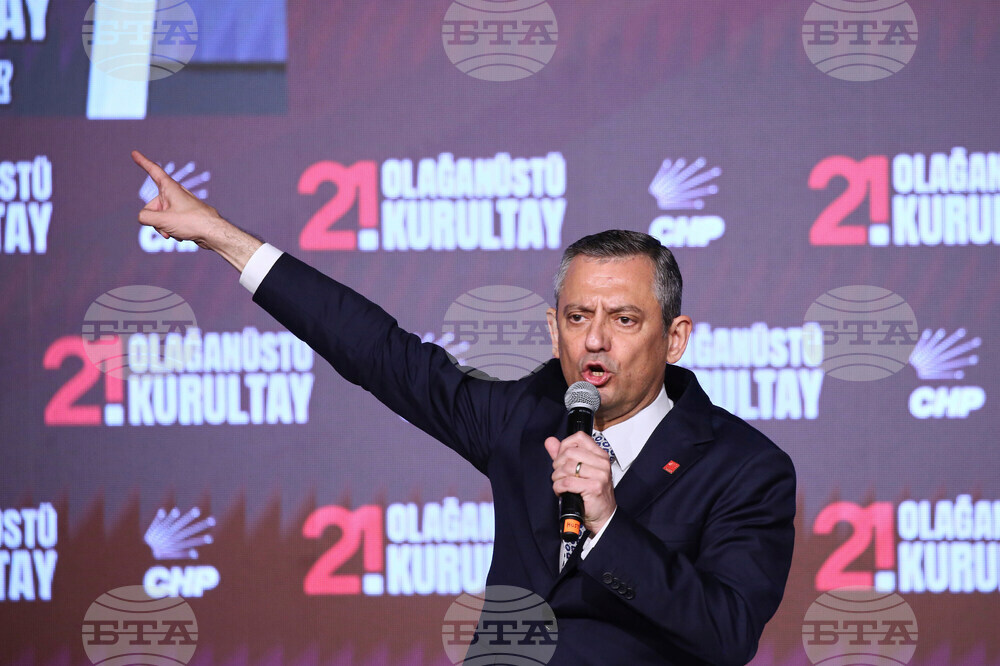
While arrests of mayors and municipal officials from districts run by Turkiye's main opposition party continue, the opposition appears to be focusing not only on local government, but increasingly on parliament. The main opposition force, the Republican People’s Party (CHP), led by Ozgur Ozel, is working actively to trigger parliamentary by-elections - and potentially even early presidential and parliamentary elections in Turkiye.
New wave of arrests in opposition-run municipalities
Since late March, dozens of local officials and mayors from municipalities run by the CHP have been detained on charges including corruption, bid rigging, and organized crime.
Recent operations have targeted municipalities in popular coastal cities such as Antalya and Marmaris, as well as boroughs in Ankara and other regional cities. Several mayors were detained or temporarily removed from office, including officials from Usak and Bursa. In some cases, replacements linked to the ruling Justice and Development Party (AKP) were appointed temporarily.
Among the latest cases were officials from Istanbul districts such as Atasehir and Uskudar. Earlier authorities also detained senior CHP figures in Ankara.
These arrests are part of a broader anti-corruption campaign that has focused largely on municipalities controlled by the CHP. Since 2024, dozens of municipal officials and 22 CHP mayors have been detained, including Istanbul’s suspended mayor, Ekrem Imamoglu, one of the country’s most prominent opposition figures. He remains in prison while facing a major court case alongside hundreds of other defendants.
CHP’s strategy: from local politics to parliament
Against this backdrop, CHP leader Ozgur Ozel has launched a campaign to force parliamentary by-elections and renewed calls for early national elections.
Political analysts say the CHP sees by-elections as both a challenge to the government and a possible stepping stone toward early general elections. They could also allow removed mayors like Imamoglu to run for parliament - a move that would be largely symbolic, since even if elected, parliament could later vote to lift their immunity.
Under the Turkish constitution, by-elections must be held if 5% of parliamentary seats become vacant - 30 out of 600 seats. This can happen through resignations, deaths, or removals from office. Currently, eight seats are vacant, and CHP officials say that 22 of their MPs are prepared to resign together in order to reach the threshold and force a vote.
Ozel has recently met leaders of smaller opposition parties as well as representatives of the pro-Kurdish DEM Party in an effort to build support. This week, he also met with parliamentary speaker Numan Kurtulmus, where he repeated CHP’s demand for by-elections.
After the meeting, Ozel said that if by-elections are possible, then early general elections could also be possible as soon as June.
Is this likely to happen?
Despite the CHP’s efforts, the chances of parliamentary by-elections - or especially early national elections - remain low.
Any coordinated resignations by CHP lawmakers would need parliamentary approval, and the opposition does not have enough votes. CHP holds 138 seats, while all opposition parties together control 266 seats. President Recep Tayyip Erdogan’s AKP and its allies hold a majority of 326 seats.
This makes it highly unlikely that the ruling coalition would support a move that could strengthen the opposition.
President Erdogan has already dismissed the idea, saying his government is focused on its own agenda and is not preparing for either by-elections or early elections.
Another theoretical option would be for the President himself to call elections by decree, but that scenario is considered extremely unlikely.
/NF/
news.modal.header
news.modal.text