site.btaUPDATED Chief State Health Inspector Kunchev Requests to Step Down amid Planned Reform
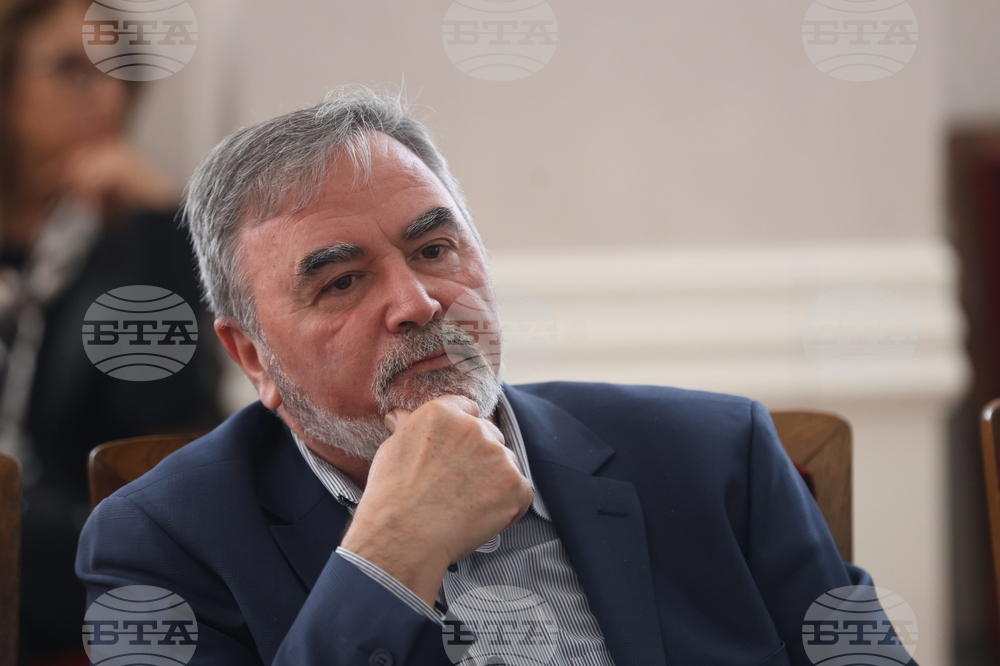
Associate Professor Angel Kunchev has submitted a request to step down as Bulgaria's Chief State Health Inspector, citing his reaching retirement age and disagreement with the planned reform of the state health control system, the Health Ministry said on Wednesday.
Health Minister Katya Ivkova said she respects Kunchev's professional career and contribution to the system, but argued that his assessment that the current model is stable should be considered in light of existing problems in health control.
In a Facebook post explaining his decision, Kunchev said the planned changes could seriously hamper the work of the Regional Health Inspectorates (RHIs), particularly in emergencies. He argued that removing their operational independence would limit their ability to respond quickly and independently to situations threatening public health, while a new territorial directorate model could make decision-making slower and more bureaucratic.
Kunchev also questioned the need to reform the RHI system before addressing what he described as more pressing problems in healthcare. He said centralization could generate high additional costs, including for the registration, certification and accreditation of laboratories. He cited an estimate that such costs could reach nearly EUR 600,000 for laboratories at the National Centre of Radiobiology and Radiation Protection alone.
He also warned of difficulties in responding to radiation threats and protecting the population from radioactive contamination in industrial accidents, cross-border pollution and cases involving medical exposure of staff and patients.
Kunchev's request cites more than 230 vacant positions in RHIs and national centres. He said that if the reform's main goal was to reduce costs, staffing reductions could instead be made by setting targets for individual units.
Kunchev also called for the reform to be discussed with the affected institutions and their staff, arguing that successful reform requires the support and understanding of those who will implement it.
The ministry cited OECD data indicating underreporting of healthcare-associated infections in Bulgaria, limited participation of hospitals in infection surveillance networks and staffing shortages in Regional Health Inspectorates (RHIs) and national centres. It also pointed to the recent case involving fraudulent health certificates on the Black Sea coast as highlighting the need for interconnected registers, electronic traceability and more secure document verification.
Kunchev's request cites more than 230 vacant positions in RHIs and national centres. The ministry said this reflected staffing and organizational problems that the reform seeks to address.
The reform will not abolish the 28 RHIs or their local teams, inspectors, laboratories and on-site response, the ministry said. Instead, duplicated administrative functions will be consolidated, uniform rules and electronic traceability will be introduced, and resources will be directed where they are most needed.
Ivkova said she respects Kunchev's decision and thanked him for his work, adding that his resignation would not affect the government's responsibility to reform the system. The changes would be implemented gradually and are intended to provide RHI staff with better support, more resources and stronger field-level controls.
Earlier this month, Ivkova said that the RHIs would become territorial directorates under the Health Ministry rather than being closed, and would no longer be able to independently award public procurement contracts.
/KI, YV/
news.modal.header
news.modal.text