site.btaMore Bulgarians See Second-Hand Clothes as Normal, Sensible, Quality Choice, Survey Shows
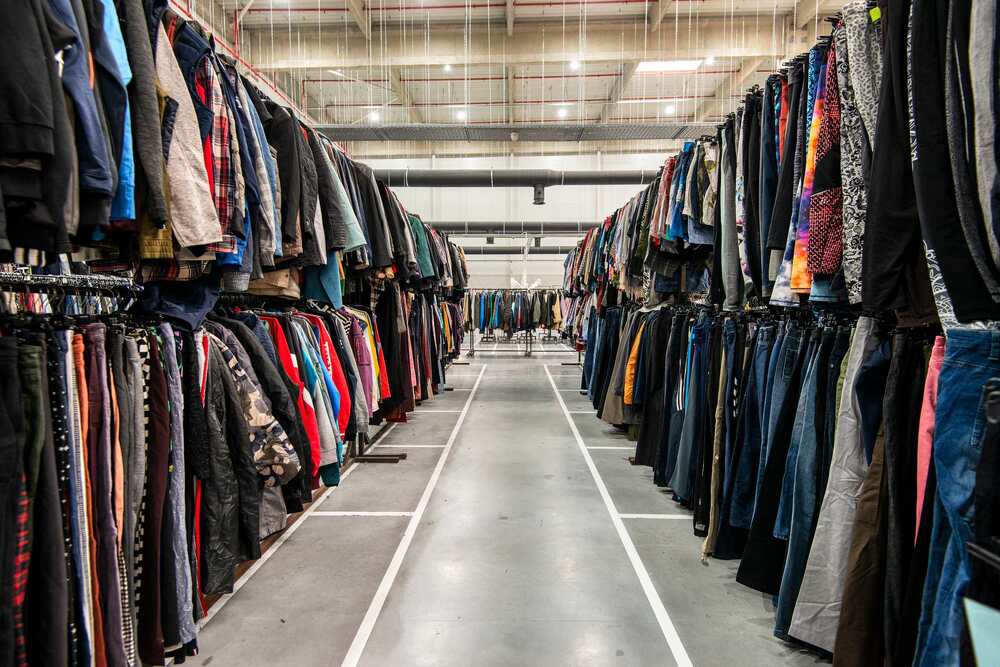
More and more Bulgarians see second-hand clothes as a normal, sensible and quality choice, according to a survey by BluePoint commissioned by the Bulgarian Association for Circular Textiles (BACT), received by BTA on Tuesday. Reuse is gradually ceasing to be an alternative aimed only at people looking for low prices and is becoming part of the modern consumption model.
The survey examines Bulgarians' attitudes towards textile reuse, consumer habits and environmental issues. It also makes it possible to track changes in some indicators compared with a similar survey conducted in 2020.
Over the past year, 58.1% of respondents have bought second-hand clothes, while just 10.8% said they had never done so. Brick-and-mortar shops remain the preferred purchasing channel, but online shopping is gradually gaining popularity, particularly among younger consumers, the survey shows.
Buying second-hand clothes is no longer associated with making a compromise. Nearly half of respondents describe it as completely normal, close to 40% see it as a sensible choice, and one in four believe it is becoming increasingly acceptable. Attitudes towards companies operating in the sector are also positive, with 77.5% of respondents expressing a favourable opinion of them, a significant improvement compared with the previous survey.
BACT Executive Director Sirma Zheleva said that European policies are placing an increasingly clear focus on extending product lifespans, reuse and the development of circular business models. "This is a good opportunity for Bulgaria because clothing reuse is not a new practice and has a long tradition in this country. What we are seeing today, however, is something new: a change in consumer attitudes. For more and more young people, second-hand is no longer an alternative but a natural and completely normal shopping choice," she added.
Young people are the most active buyers of second-hand clothing. Nearly two-thirds of respondents aged between 18 and 34 bought second-hand clothes over the past year, and this age group also records the highest frequency of visits to such shops, the authors of the survey noted.
For young consumers, reuse is no longer an occasional purchase or simply a way of finding a bargain, but a fully established shopping channel existing alongside other forms of retail. Older consumers visit second-hand shops less frequently, but interest among them also remains high.
The survey also examines the impact of international online platforms such as Temu and Shein. The data show that they encourage more frequent shopping and purchases of more clothes than consumers actually need. For some users, this also results in fewer purchases of second-hand clothing.
At the same time, more than half of users of these platforms believe second-hand clothes are a higher-quality choice than inexpensive new garments. According to the authors of the survey, this shows that the two consumption models are increasingly competing not only on price, but also on quality, sustainability and expected product lifespan.
"Reuse companies find it difficult to compete with clothes sold for just a few euros. The reason is simple: every garment that reaches a second-hand shop has gone through collection, transportation, several stages of manual sorting, quality inspection and preparation for a new life. This is a labour-intensive process that creates jobs and cannot be automated. Many second-hand garments retain their qualities and can continue to be used for a long time, while much of ultra-fast fashion is designed for a short lifecycle," Zheleva said.
According to BluePoint Managing Director Yulian Dobrev, the data show that "the market is maturing". "Price remains important, but it is no longer the only reason people choose second-hand clothes. More and more consumers are paying attention to quality, brands, unique finds and the opportunity to extend the life of products that have already been manufactured. This change in consumer behaviour has the potential to support the development of the circular model in the textile sector," Dobrev said.
The data show that low prices remain the strongest motivation for buying second-hand clothing. They are followed by the opportunity to buy branded clothes at affordable prices and by the good quality of the items on offer.
More than one-third of consumers also look for unique designs that are difficult to find in mainstream retail chains. Environmental considerations are also a factor, although they tend to complement an already-made purchasing decision rather than determine it.
Compared with 2020, significantly more people now describe second-hand clothes as high-quality, while the share of those who primarily regard them as cheap clothing has declined, the survey's authors noted. According to them, this suggests that the market is gradually evolving from a model based predominantly on saving money towards one in which quality, durability and sensible consumption play a leading role.
The survey also shows that 78% of Bulgarians see textile waste as a serious environmental problem. A majority believe that the most effective solutions include recycling, the use of sustainable materials and buying fewer but higher-quality clothes. According to the authors, this indicates a high level of public awareness of the issue, but turning that awareness into sustainable behaviour requires not only more information but also accessible opportunities for reuse and separate textile waste collection.
/DD/
news.modal.header
news.modal.text