site.btaExhibition Dedicated to Recent Archaeological Discoveries Opens in Plovdiv
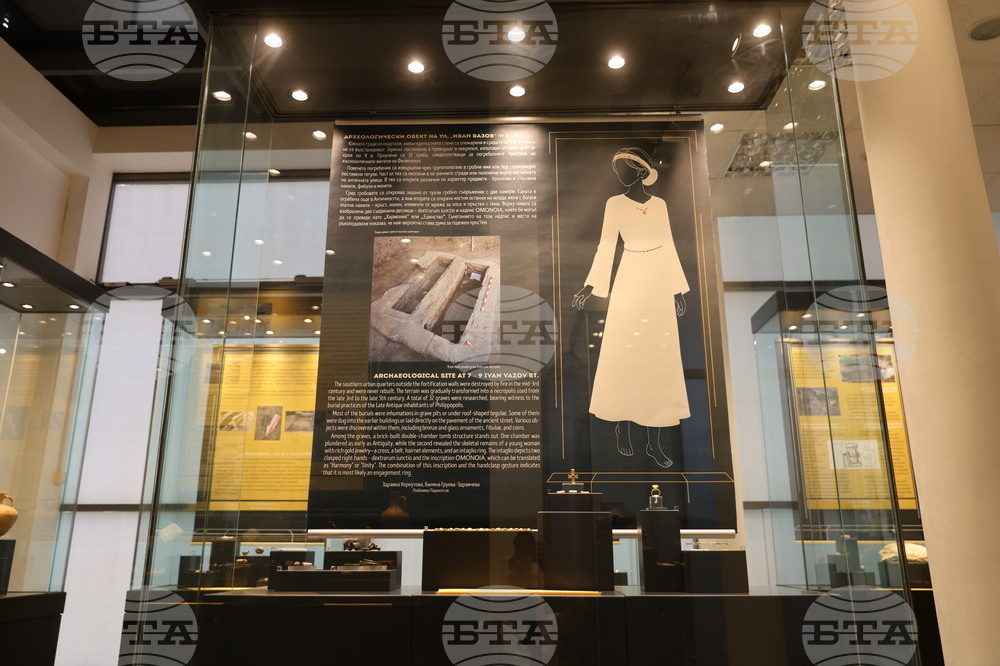
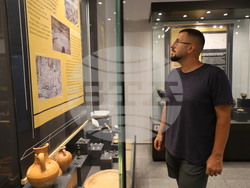
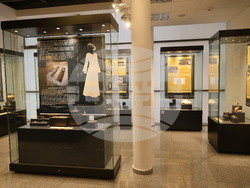
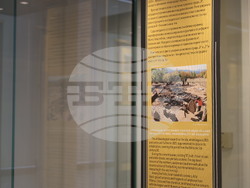
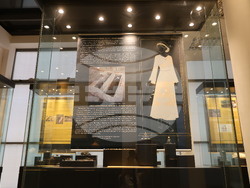
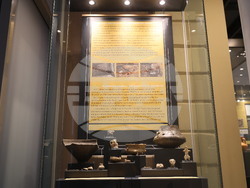
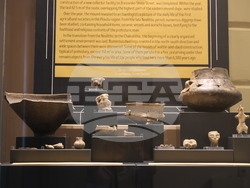
From August 11 until the end of the year, the Regional Archaeological Museum - Plovdiv is presenting its annual exhibition, Discoveries 2025 – Threshold Between Worlds, dedicated to the most significant archaeological discoveries made during the past archaeological season in Plovdiv and the surrounding region.
The exhibition explores two main aspects of life in ancient societies – everyday life and the afterlife. It features various types of archaeological studies of necropolises dating from the Bronze Age, the Middle Ages and Late Antiquity. Although these sites may appear different at first glance, they are united by the care shown for the deceased, exhibition curator Lyubomir Merdzhanov told BTA.
Visitors to the exhibition can learn about the different types of customs and attitudes toward the dead across various historical periods. On the other side of the symbolic threshold between life and death are studies revealing aspects of everyday life, including buildings, ceramic production centres and objects originating from them.
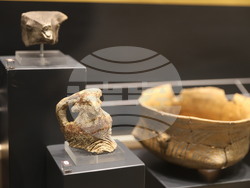
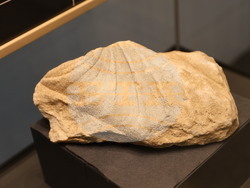
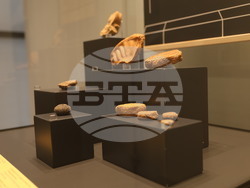
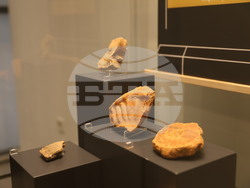
The exhibition features artifacts from the most recent archaeological season at the Yasa Tepe flat settlement mound on Brezovsko Shose Boulevard, the multilayered settlement site near Skutare village, the Thracian settlement centre near the Karlovo village of Vasil Levski, Ancient Plovdiv, and other rescue excavations carried out in the city.
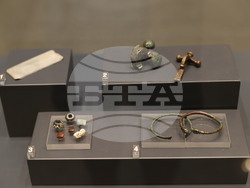
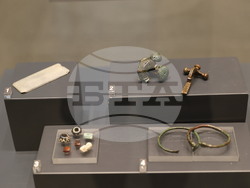
Archaeological excavations have revealed typical Roman architecture as well as the southern necropolis of Philippopolis, containing 39 graves. One of them belonged to a young woman whose grave contained a set of gold objects as funerary offerings, such as a cross, necklace beads and hair ornaments.
"The most interesting item for me is a gold ring with a gem depicting a handshake scene and bearing the Greek inscription omonia," Merdzhanov said. The inscription can be translated as "harmony" or "unity." Such rings were considered engagement ones, suggesting that the deceased was a young woman who had recently become engaged.
"I hope that everyone who visits the exhibition will rediscover a small piece of the everyday lives of people from the past," the archaeologist added.
The exhibition also highlights the work of archaeologists, restorers and all the specialists behind every new discovery. It is dedicated to the memory of archaeologist Assoc. Prof. Kamen Stanev, who left a lasting mark on the study of Plovdiv's ancient past and among his colleagues.
/DD/
Additional







news.modal.image.header
news.modal.image.text
news.modal.download.header
news.modal.download.text
news.modal.header
news.modal.text