AmChams Regional Economic Summit 2026
![Supply Chain, Logistics, and Manufacturing Challenges Addressed at AmChams Regional Economic Summit Panel]()
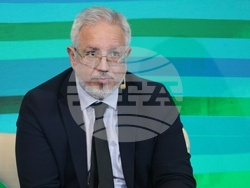
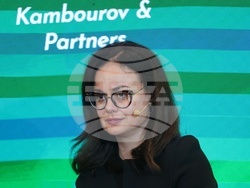
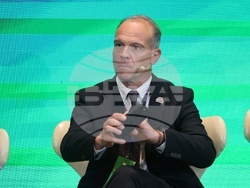
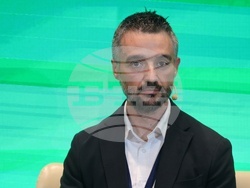
![Supply Chain, Logistics, and Manufacturing Challenges Addressed at AmChams Regional Economic Summit Panel]() Participants in Plenary 4 of the 3rd AmChams Regional Economic Summit discuss challenges facing supply chains, logistics and manufacturing, Sofia, June 25, 2026 (BTA Photo)
Participants in Plenary 4 of the 3rd AmChams Regional Economic Summit discuss challenges facing supply chains, logistics and manufacturing, Sofia, June 25, 2026 (BTA Photo)
![Трета Регионална икономическа конференция на Американските търговски камари - Пленарна сесия 5: „Логистика, вериги за доставки и производство“]()
![Трета Регионална икономическа конференция на Американските търговски камари - Пленарна сесия 5: „Логистика, вериги за доставки и производство“]()
![Трета Регионална икономическа конференция на Американските търговски камари - Пленарна сесия 5: „Логистика, вериги за доставки и производство“]()
![Трета Регионална икономическа конференция на Американските търговски камари - Пленарна сесия 5: „Логистика, вериги за доставки и производство“]()
![Трета Регионална икономическа конференция на Американските търговски камари - Пленарна сесия 5: „Логистика, вериги за доставки и производство“]()
![Трета Регионална икономическа конференция на Американските търговски камари - Пленарна сесия 5: „Логистика, вериги за доставки и производство“]()
![Трета Регионална икономическа конференция на Американските търговски камари - Пленарна сесия 5: „Логистика, вериги за доставки и производство“]()
![Трета Регионална икономическа конференция на Американските търговски камари - Пленарна сесия 5: „Логистика, вериги за доставки и производство“]()
![Трета Регионална икономическа конференция на Американските търговски камари - Пленарна сесия 5: „Логистика, вериги за доставки и производство“]()
![Трета Регионална икономическа конференция на Американските търговски камари - Пленарна сесия 5: „Логистика, вериги за доставки и производство“]()
site.btaSupply Chain, Logistics, and Manufacturing Challenges Addressed at AmChams Regional Economic Summit Panel
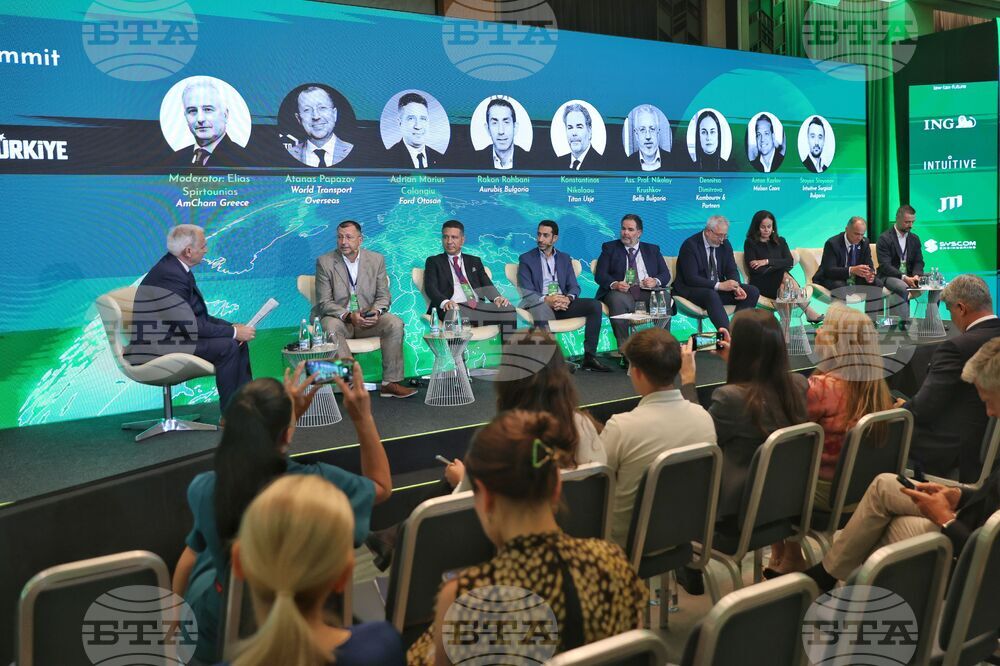
Business, transport and tax sector representatives took part in Plenary 4 of the 3rd AmChams Regional Economic Summit (ARES 2026), held in Sofia on Thursday. They discussed challenges facing logistics, supply chain and manufacturing, and the competitiveness of European industry.
Atanas Papazov, Director, Global Business Development, World Transport Overseas, pointed out that the lack of predictability in world economic development makes it difficult for companies to produce forecasts and long-term planning, which is why business has to seek unconventional solutions and a new approach to risk management.
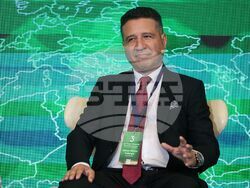
Adrian Marius Calangiu, Craiova Engine Plant Manager, Ford Otosan, said that the automotive industry is going through a major bumpy transformation. He argued that regulations should reckon with the role of key suppliers and the EU's strategic partners including Britain and Turkey. Otherwise, companies will face higher costs and will be forced to increase the prices of their output, he warned.
Aurubis Managing Director and CEO Rakan Rahbani stressed the need for Europe to build better integrated metal supply chains. As priorities, he listed recycling and recovery of inputs from end-of-life products and better alignment of EU and national legislation. Aurubis Bulgaria is an important part of the chain of one of the world's largest copper manufacturers.
Titan Usje CEO Konstantinos Nikolaou said that the cement industry has to cope mainly with decarbonization and digitization. He sees the transition to low carbon production as an opportunity to boost competitiveness by investing in innovations, applying circular economy principles, and improving effectiveness. Access to clean energy, reliable power transmission networks and the regulatory framework are major challenges.
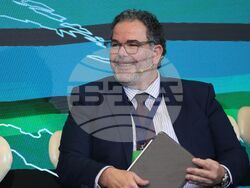
Assoc. Prof. Nikolay Krushkov, Director of Corporate Communications at Bella Bulgaria, listed among the key challenges to the food processing industry wars, tariff barriers, and compliance with regulatory requirements. He urged for better coordination and joint planning at regional planning needed to make companies more competitive at international markets and on the single European market.
Dennitsa Dimitrova, Managing Partner, Kambourov & Partners - Tax Consulting, said that even though the low tax rate is one of Bulgaria's advantages, it is not a determining factor in attracting foreign investments. In her opinion, the quality of the business environment, the predictability of regulations and overall costs of labour and social security matter more.
Anton Karlov, Chief Legal and Government Affairs Officer, EMEA-APAC, Molson Coors, referred to geopolitical insecurity as "the new normal for international business". He pointed out that after the start of the war in Ukraine his company focussed on a more reliable data analysis and inflation risk management, which increased its resilience against the jolts that followed.
Stoyan Stoyanov, Senior Director of Manufacturing Operations, Intuitive, presented his views about manufacturing standards for medical products and the significance of rigorous quality and safety requirements in the sector.
BTA is a media partner of the conference.
/RY/
Additional



news.modal.image.header
news.modal.image.text
news.modal.download.header
news.modal.download.text
news.modal.header
news.modal.text