site.btaRights Groups Say Violence, Sexual Abuse and Labour Exploitation Continue at Juvenile Facility One Year After Authorities Were Alerted
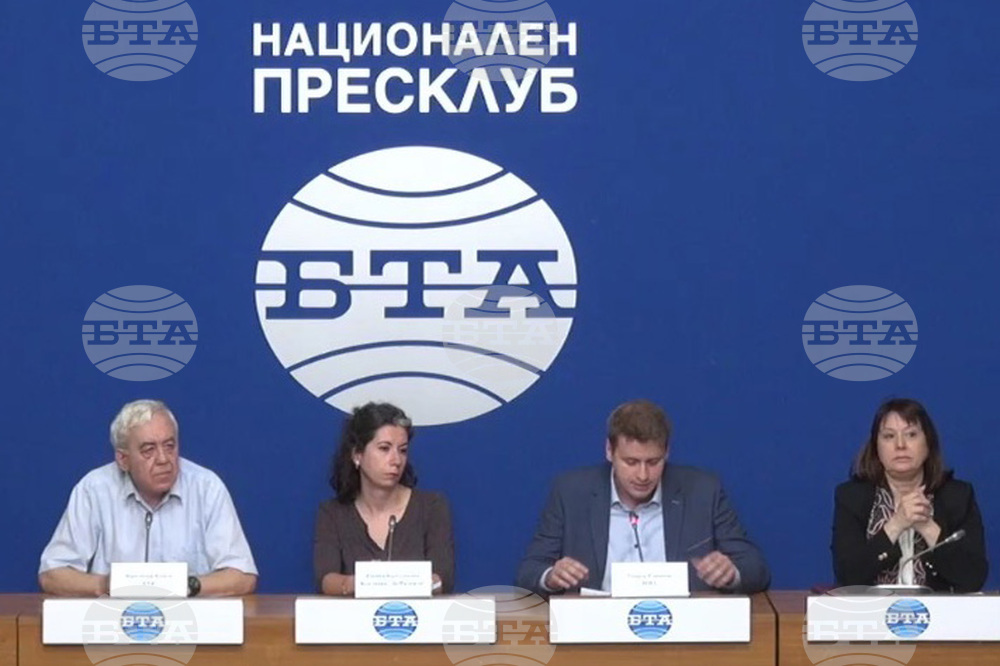
A human rights watchdog and child advocacy organizations revealed disturbing details about conditions at a juvenile correctional institution. At a news conference at the BTA National Press Club Tuesday, they said that a year after authorities were alerted to complaints of violence, sexual abuse and labour exploitation, little has changed and conditions have in some respects deteriorated.
The allegations concern the Hristo Botev Social-Pedagogical Boarding School in the northeastern village of Varnentsi, where children placed under educational supervision measures are housed. At the joint conference, representatives of the Bulgarian Helsinki Committee, the For Hope Foundation and the National Network for Children said that children continue to face severe restrictions on their rights despite the exposure of abuse in July 2025.
On July 30, 2025, the Ombudsman alerted five competent institutions about abuse of children at the Varnentsi facility.
According to the organizations, children at the institution are being subjected to physical, psychological and sexual violence, as well as labour exploitation. Six children who testified about the abuse were returned to the facility despite calls from civil society groups and the Ombudsman that they should not be sent back. The organizations also noted that children currently housed at the institution have not been allowed to leave during the summer vacation period, unlike in previous years.
Bulgarian Ombudsman Velislava Delcheva said measures taken by authorities since last summer have been largely cosmetic and have failed to address either the violence allegations or broader violations of children's rights. She announced plans to seek a meeting with the acting Prosecutor General to obtain information about the status of the ongoing investigation.
Rositsa Kratunkova of the For Hope Foundation described strict limitations on contact between children and their families. Visits are reportedly limited to 15–20 minutes outside the institution under constant staff supervision, while phone conversations with parents are monitored. She questioned the progress of the prosecutor's investigation and criticized what she described as conditions that restrict children's rights more severely than those faced by adult prisoners.
Krasimir Kanev of the Bulgarian Helsinki Committee accused the state of maintaining institutions that are isolated from public scrutiny and where children are treated more harshly than inmates in maximum-security prisons.
During the news conference, he showed a pass issued by the Justice Ministry that allows him, as a human rights monitor, to visit inmates in some of the country’s highest-security prisons - yet the same pass does not grant him access to juvenile facilities, including the one in Varnentsi. According to Kanev, the situation means that institutions housing vulnerable children are subject to less independent oversight than maximum-security prisons, raising serious concerns about accountability and the ability of outside monitors to detect and prevent abuses.
He said some children had been sent to such facilities for minor offenses, including stealing food, car wash tokens or items from vending machines. Kanev also noted that educational measures can be imposed without a clearly defined duration and cannot be effectively challenged in court, despite repeated rulings against Bulgaria by the European Court of Human Rights.
Georgi Elenkov of the National Network for Children noted that Bulgaria adopted a policy more than a decade ago calling for a gradual closure of social-pedagogical boarding schools, but the plan was never implemented. He warned that the Varnentsi facility houses children with vastly different backgrounds and needs - including those accused of minor offenses, runaways, victims of sexual exploitation and children removed from unsafe environments - creating conditions that can increase the risk of criminalization rather than rehabilitation. Child rights groups are calling for smaller, specialized residential services modeled on systems used in other European countries, arguing that such alternatives would provide more effective support for vulnerable children and young offenders.
The organizations called for urgent action regarding the Varnentsi institution and for a comprehensive reform of Bulgaria’s juvenile justice and child protection systems.
/NF/
news.modal.header
news.modal.text