site.btaPolicy on Free Medicines for Children Still Lacks Systemic Approach, Says Prof. Vasil Pandov
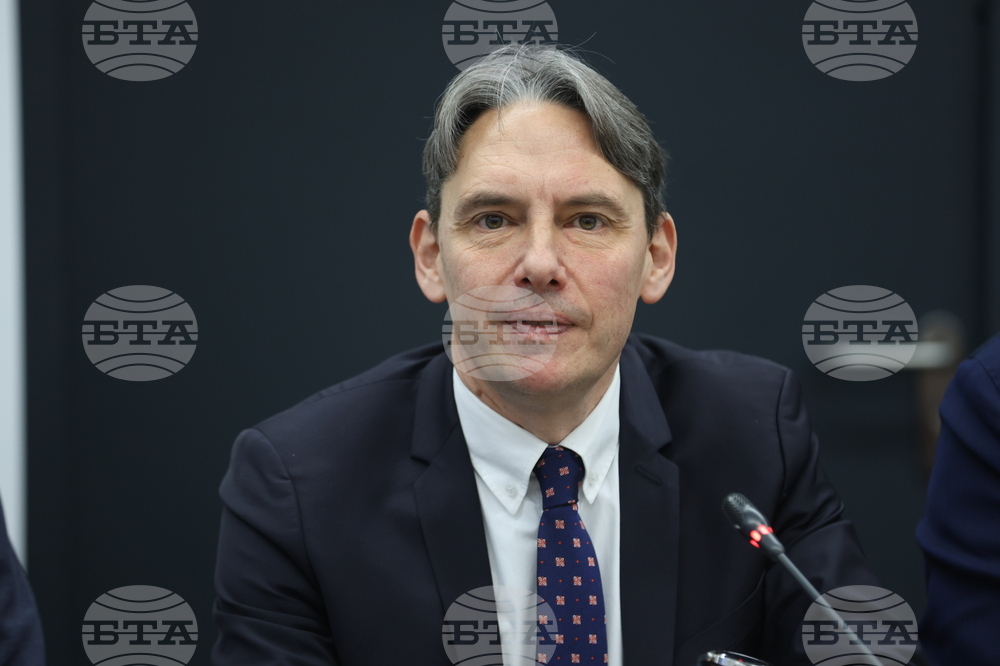
The policy on free medicines for children continues to suffer from a lack of consistency and clearly defined objectives, Vasil Pandov, Professor of Private International Law at St. Kliment Ohridski University of Sofia, told BTA on Sunday.
In his words, the biggest problem is that regulatory changes often remain on paper, without real mechanisms for implementation. He recalled that the amendments to Ordinance No. 26 of 2022, concerning medical care for uninsured pregnant women and free antibiotics and antiviral medicines for children, were the result of long-standing efforts by non-governmental organizations, but still need improvement in practice.
Civil organizations, including the Kyustendil-based LARGO Association, are calling for the list of free medicines for children aged 0 to 7 to be expanded. The initiative is prompted by the aim of achieving more effective public health policies and reducing the financial burden on families by ensuring broader access to medicines prescribed by a doctor.
According to the organizations, the current scope of free medicines, limited mainly to antibiotics, antiviral and anthelmintic medicines, does not meet children’s actual needs, while symptomatic treatment of viral infections remains the largest expense for parents. Data from a report by the initiative show that in 2024 the National Health Insurance Fund (NHIF) paid BGN 16 million for child hospitalizations, while parents’ private spending on medicines exceeded BGN 1 billion. On average, a family pays BGN 562.32 a year for medicines for one child, and half of parents find it difficult to cover these costs. This leads to delayed medical examinations, complications and preventable hospitalizations.
Pandov said the reasons why pharmaceutical companies do not include antibiotics and antiviral medicines in the list of products paid for by the NHIF are complex. Companies do not want the price formed in Bulgaria to influence the amounts paid from public funds in other countries under the reference pricing mechanism. At the same time, antibiotics for children under 7 account for only a small share of sales, while the main market remains outside NHIF reimbursement, making inclusion in the Positive Drug List (PDL) an administrative and potentially economically unviable burden.
The NHIF currently pays for almost all prescription medicines for children, including medicines for chronic diseases, as well as antibiotics and antivirals for children under 7, Pandov said. In his view, the latter group should also cover children up to 14 years of age. He added that, following consistent efforts, the state is expected to start paying for influenza vaccines for children next year, after the caretaker cabinet adopted a national programme for influenza vaccination of children.
Widely used over-the-counter products, such as antipyretics and medicines for symptomatic treatment of viral infections, are not currently paid for by the state for children, Pandov said. The reason is that their use is not always supervised by a doctor and they may pose health risks or be used by people other than those for whom they are intended. For such products, he suggested social assistance and treatment vouchers for children whose parents cannot afford them, through an interdepartmental approach involving the Ministry of Labour and Social Policy and the Ministry of Health.
Pandov said he does not see a direct risk of antibiotics being prescribed more often simply because they are the only free medicines, since the list does not include the most widely used antibiotics. The greater risk, in his view, is that the lack of timely symptomatic and immune-supporting treatment may lead to complications and the use of antibiotics. This is a poor indicator for the healthcare system, he said, noting that global efforts are focused on combating antimicrobial resistance, while Bulgaria’s antimicrobial resistance strategy remains “on paper”.
He said lack of access to paediatric care affects the quality and timeliness of children’s treatment, but is not directly linked to antibiotic use, as general practitioners can prescribe antibiotics for home treatment. He pointed to children’s wards in municipal hospitals, which used to be a mandatory element of the hospital network and still exist in some municipalities. They spare many children from travelling to regional centres, especially those from socially vulnerable families, but many now lack enough patients and staff to provide quality inpatient care. This leaves a vacuum the state should fill through effective outpatient paediatric care, state-provided transport to regional centres, and conditions for parents to stay during their children’s treatment.
/NF/
news.modal.header
news.modal.text