National meeting of local and central executive authorities
![Bulgaria Faces Deepening Education Disparities, Minister Warns]()
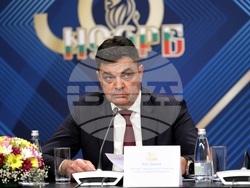
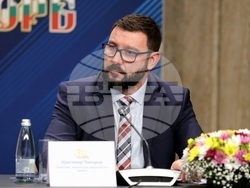
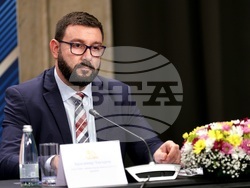
![Bulgaria Faces Deepening Education Disparities, Minister Warns]() Education Minister Georgi Valchev speaking at the National Meeting of Local and Central Executive Authorities, Sofia, June 18, 2026 (BTA Photo/Blagoy Kirilov)
Education Minister Georgi Valchev speaking at the National Meeting of Local and Central Executive Authorities, Sofia, June 18, 2026 (BTA Photo/Blagoy Kirilov)
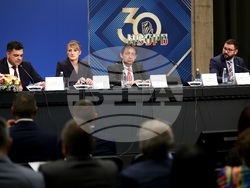
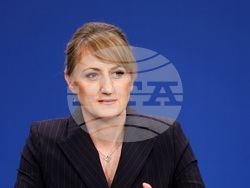
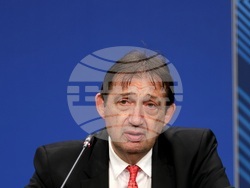
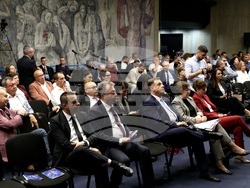
![Национална среща на местната и централната изпълнителна власт - втори панел]()
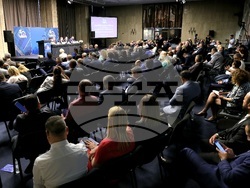
![Национална среща на местната и централната изпълнителна власт - втори панел]()
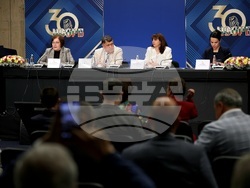
![Национална среща на местната и централната изпълнителна власт - втори панел]()
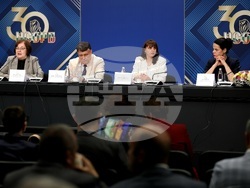
![Национална среща на местната и централната изпълнителна власт - втори панел]()
![Национална среща на местната и централната изпълнителна власт - втори панел]()
![Национална среща на местната и централната изпълнителна власт - втори панел]()
![Национална среща на местната и централната изпълнителна власт - втори панел]()
![Национална среща на местната и централната изпълнителна власт - втори панел]()
![Национална среща на местната и централната изпълнителна власт - втори панел]()
![Национална среща на местната и централната изпълнителна власт - втори панел]()
![Национална среща на местната и централната изпълнителна власт - втори панел]()
![Национална среща на местната и централната изпълнителна власт - втори панел]()
![Национална среща на местната и централната изпълнителна власт - втори панел]()
![Национална среща на местната и централната изпълнителна власт - втори панел]()
![Национална среща на местната и централната изпълнителна власт - втори панел]()
![Национална среща на местната и централната изпълнителна власт - втори панел]()
![Национална среща на местната и централната изпълнителна власт - втори панел]()
![Национална среща на местната и централната изпълнителна власт - втори панел]()
![Национална среща на местната и централната изпълнителна власт - втори панел]()
![Национална среща на местната и централната изпълнителна власт - втори панел]()
![Национална среща на местната и централната изпълнителна власт - втори панел]()
![Национална среща на местната и централната изпълнителна власт - трети панел]()
![Национална среща на местната и централната изпълнителна власт - трети панел]()
![Национална среща на местната и централната изпълнителна власт - трети панел]()
![Национална среща на местната и централната изпълнителна власт - трети панел]()
![Национална среща на местната и централната изпълнителна власт - трети панел]()
![Национална среща на местната и централната изпълнителна власт - трети панел]()
![Национална среща на местната и централната изпълнителна власт - трети панел]()
![Национална среща на местната и централната изпълнителна власт - трети панел]()
![Национална среща на местната и централната изпълнителна власт - трети панел]()
![Национална среща на местната и централната изпълнителна власт - трети панел]()
site.btaBulgaria Faces Deepening Education Disparities, Minister Warns
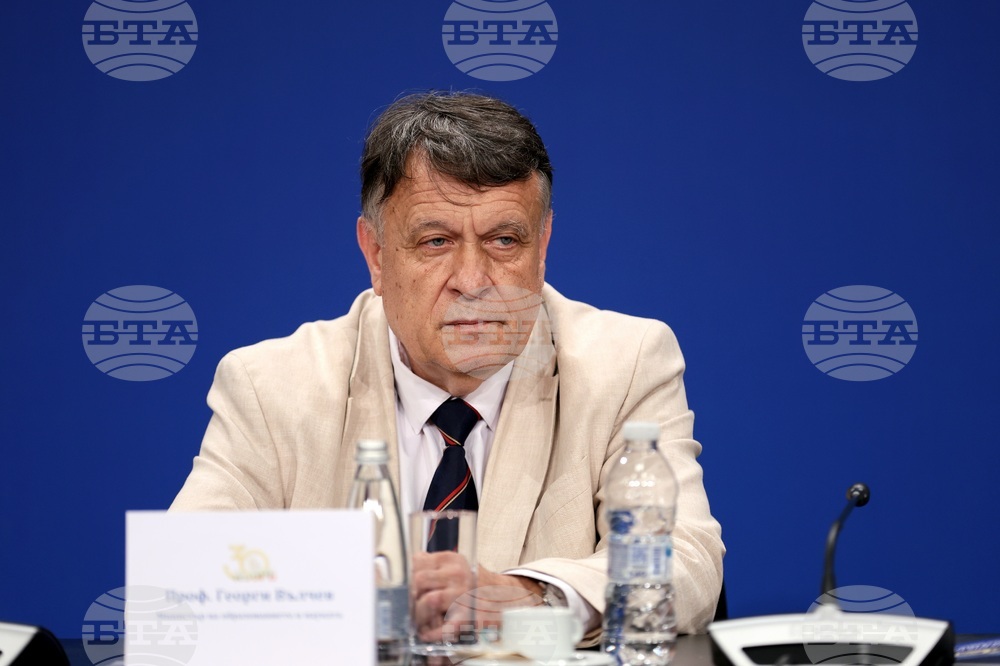
Education Minister Georgi Valchev on Thursday warned of widening disparities across Bulgaria's education system, describing the growing gap between high-performing schools and those failing to provide adequate preparation as one of the sector's most serious challenges.
Speaking at the National Meeting of Local and Central Executive Authorities in Sofia, Valchev said that despite education being declared a priority by successive governments and receiving substantial funding through national and European programmes, significant problems persist at all levels of education, from preschool to secondary school. He added that higher education also faces challenges, though less severe ones.
The minister highlighted regional inequalities as a major concern, arguing that children across the country do not enjoy equal educational opportunities. In the context of Bulgaria's demographic crisis, he said, the quality of human capital has become a key consideration for investors and is closely linked to the performance of the education system.
Valchev said the government's priority is to raise the overall quality of education, starting with a more accurate assessment of the system's condition. He criticized practices that obscure problems and insisted that students should not be promoted to higher grades without the necessary knowledge and skills.
“We cannot continue in this way, masking the problems,” Valchev said, adding that the government would work with municipalities to test different solutions and expand successful approaches.
Among the key priorities outlined by the minister was restoring what he described as the "lost connection" between families and schools. Valchev argued that parents should be viewed as partners rather than customers of the education system and warned that reforms would have limited impact unless families become more actively engaged in children's learning.
He also pointed to the growing phenomenon of "absent families", where parents work abroad for extended periods, leaving children without sufficient support at home. According to Valchev, new mechanisms are needed to address this challenge and help students progress successfully through the education system.
Another priority for the government is reforming the teaching model to make education more relevant and engaging. Valchev said schools should move away from an approach based on memorizing information that students quickly forget and instead focus on helping children understand the practical value of learning.
The minister also called for stronger cooperation with businesses in vocational education, saying employers must play a more active role in dual-training programmes if skills shortages are to be addressed effectively.
Valchev announced plans to meet with regional education authorities, municipalities and schools to identify both successful practices and persistent challenges. He said particular attention would be given to small schools, stressing that they should be supported rather than closed.
/NF/
Additional

news.modal.image.header
news.modal.image.text
news.modal.download.header
news.modal.download.text
news.modal.header
news.modal.text