site.btaGovernment Prepares Full Risk Analysis of Water Shortage Hotspots
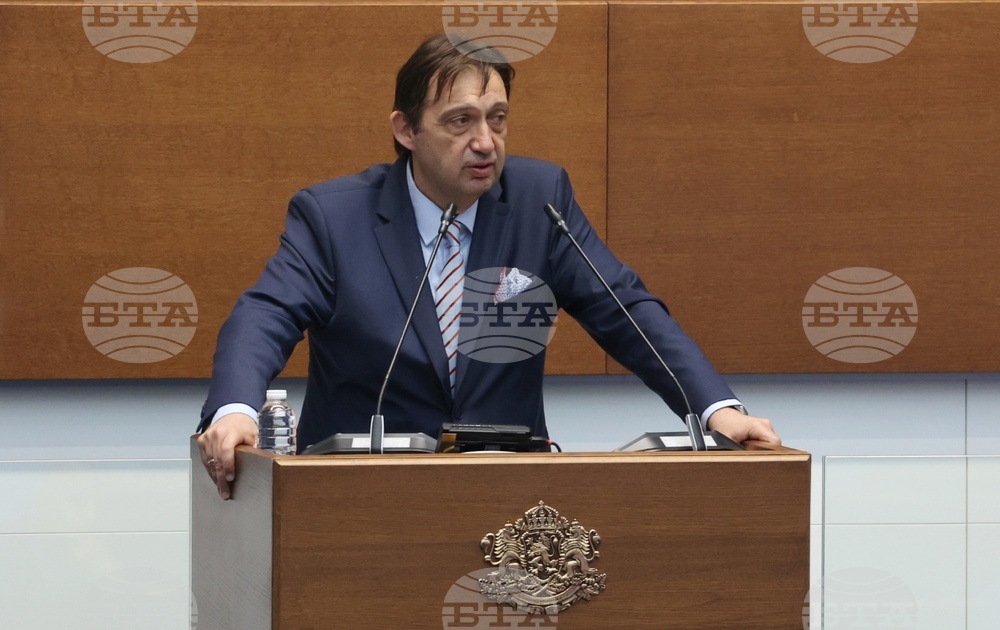
The Ministry of Regional Development and Public Works, together with other departments, is carrying out a detailed analysis of settlements at risk of water shortage, a task assigned by Prime Minister Rumen Radev, said Regional Development Minister Ivan Shishkov on Friday. Shishkov was in the National Assembly responding to a question from MP Petar Petrov of Vazrazhdane regarding the Ministry's policy for tackling water shortages and poor-quality water supply in settlements across the country.
Shishkov stated that the next step is to identify settlements with a deficit at the water source itself; places with compromised supply pipelines; and places with an ageing water and sewerage network. "These are the three components contributing to the water crisis in Bulgaria, which is now truly beginning to knock at the door," the Minister said.
Shishkov stressed that short-term measures aim only for partial relief from restrictions, while the government's goal is to develop a large-scale four-year programme. Its implementation should permanently remove the words "water problems" from the everyday life of Bulgarian citizens, the Minister noted.
He emphasized that problems in the water and sewerage sector are complex and have been accumulating for years. He recalled that the main part of the water supply networks is severely outdated, while the pace of renewal and modernization is wholly insufficient. Another factor is climate change, as frequent droughts significantly reduce the capacity of water sources. Problems also arise due to increased consumption in settlements that receive a large number of temporary residents in summer, as well as the unauthorised use of drinking water for domestic purposes.
The Regional Development Minister cited data from the 2025 report of the Bulgarian Water Supply and Sewerage Holding, from the official review of the 26 state water and sewerage operators within the holding's structure. The report indicates that nearly 64% of the country's water supply network is built from asbestos pipes that have exceeded their operational life. Around 14% of the network is steel, and due to the lack of proper anticorrosion protection these pipes thin and corrode, which leads to hidden leaks.
The Minister criticized mayors who in the past had deliberately refused to dig up streets to replace pipes for fear of losing voters in local elections, and pointed out that the sector had suffered from a lack of vision and long-term strategy. He also highlighted the problem that many projects with European financing had come close to failure due to insufficient project readiness and unfinished public procurement procedures.
Shishkov addressed specifically the water crisis in the 100,000-population northern city of Pleven, recalling that significant financial resources had been allocated to the city to deal with the crisis. He announced that the Ministry would carry out an inspection and would require a report on expenditure and a clear timetable for the implementation of the projects.
/TM/
news.modal.header
news.modal.text