site.btaRuling PB Claims to Push Parliamentary Rules Changes to Ensure Substantive Debate, Opposition Accuses Them of Curbing Their Rights
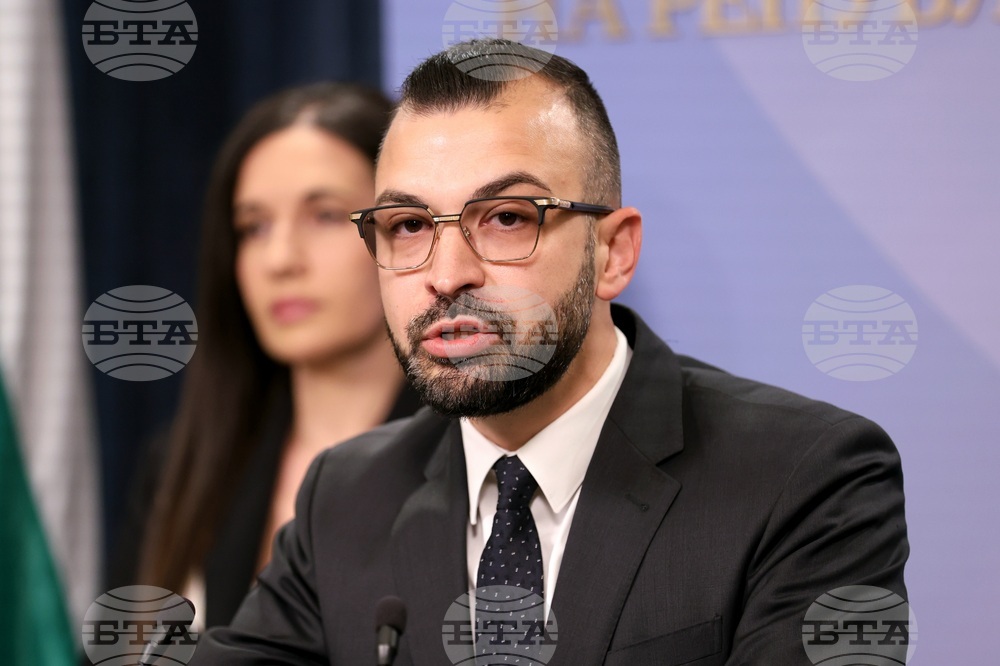
Progressive Bulgaria’s (PB) proposed amendments to the National Assembly’s rules of procedure are aimed at ensuring substantive parliamentary debate without abuse of time and parliamentary procedures, Dimitar Zdravkov said on Tuesday. Zdravkov, who chairs the ad hoc committee drafting the rules of procedure for the 52nd National Assembly, commented during a briefing in parliament on the proposed changes.
Zdravkov said that part of the proposals aim to make parliamentary debate more substantive, without opportunities for abuse of time and procedures.
The opposition parties in Parliament accused PB of restricting their rights.
Toma Bikov of GERB-UDF said he believes the ruling party, regardless of the percentage of the vote it received in the general elections, has a responsibility to ensure that the opposition has space. At the moment, this is the only place where a perspective different from that of those in power can be heard, Bikov added.
Continue the Change party accused PB of seeking to restrict opposition rights through proposed the amendments to the National Assembly’s rules of procedure, saying not even GERB leader Boyko Borissov or MRF Chair Delyan Peevski had gone that far.
According to Yes, Bulgaria Co-Chair Bozhidar Bozhanov, the ruling majority is proposing controversial amendments to Parliament's rules of procedure that would restrict the rights of the opposition. In a statement distributed by the party's press office on Monday evening, Bozhanov said the proposed changes would shorten deadlines for reviewing draft legislation before committee and plenary debates and would make it easier to introduce extraordinary agenda items without prior consultation.
Vazrazhdane said the proposed amendments to the Rules of Organization and Procedure of the National Assembly violate the principles of parliamentary democracy. The party argued that the changes would weaken transparency in government, shorten key parliamentary deadlines and reduce the opposition’s ability to scrutinize legislation and appointments.
“We approached this responsibly and made proposals on how Parliament should work, and we believe they will contribute to better performance. It is inexplicable why there is such a negative reaction to attempts to correct texts that were used in parliamentary practice and reduced public trust in institutions to critical levels,” Zdravkov said.
He added that it was “truly inexplicable” that politicians and MPs who had previously criticised such practices were now opposing attempts to remove them. He said his parliamentary group believes a new approach is needed and will work for continuous dialogue with the opposition, as stated at the first meeting of the committee. The next meeting, he added, would also continue discussions in a constructive format on both their proposals and those of other political forces.
Zdravkov said that claims of restricting opposition rights are a misreading of the proposals and an attempt to preserve previous harmful practices. He added that temporary committees should not be used as a routine parliamentary tool.
He explained that the proposed “opposition day”, or the first Wednesday of the month, is intended to ensure that legislative proposals from opposition parties, which have not been considered in committees in time, are discussed in Parliament.
He also said that the parliamentary majority treats the rules of procedure issue responsibly, but that the more important topics remain those affecting society, including prices and judicial reform, as well as other issues for which voters gave them a mandate.
Zdravkov assured that ministers from Prime Minister Rumen Radev’s Cabinet will fully participate in question time in Parliament.
Asked whether MPs would be willing to give up salary indexation, Zdravkov said there is no public sector where salaries are continuously adjusted. He said this issue would be discussed, and that the rules of procedure will be reopened after the adoption of the Anti-Corruption Act. The issue of remuneration will be considered in committee, he added.
/RY/
news.modal.header
news.modal.text