site.btaLabour Ministry Reports Support Measures, Anti Vote-Buying Efforts
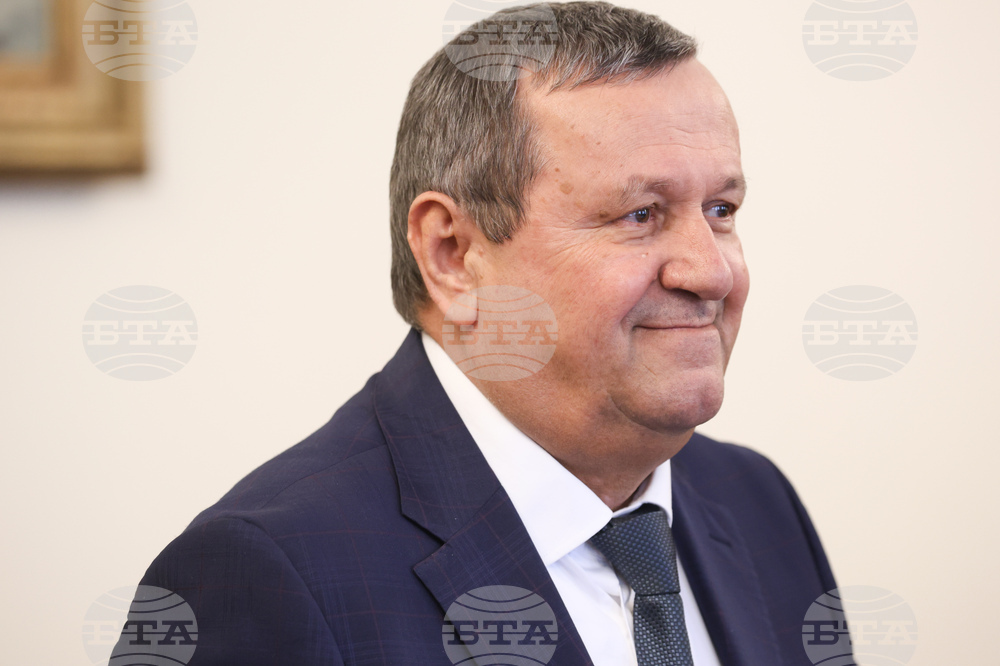
The Ministry of Labour and Social Policy, headed by caretaker Minister Hasan Ademov, presented a report on its activities during the mandate of the caretaker government on Thursday. Expanding support for pensioners and vulnerable groups, as well as measures to prevent controlled voting through the social system, were among the completed tasks.
On March 11, the Council of Ministers approved Easter supplements for nearly 80% of pensioners, or 1.606 million people. By comparison, in 2025 additional payments for Christmas and Easter were granted to only 33% of pensioners, the Ministry said.
On April 16, accelerated distribution began of packages containing 11 essential food products to more than 530,000 people in severe need. The distribution is expected to be completed by mid-May, the Ministry added. According to the Ministry, the previous leadership had planned to distribute the aid after the April 19 elections, but at Ademov’s insistence the assistance reached people at the most difficult time, the end of winter and amid rising prices linked to the Middle East crisis.
Another priority was preventing the use of social system instruments to exert pressure on citizens. Minister Ademov declared zero tolerance for the practice of "votes in exchange for bread". He ordered the Agency for Quality of Social Services to step up inspections at residential social care facilities for elderly people in order to prevent controlled voting.
In response to the impact of the Middle East crisis on fuel prices in Bulgaria, the Ministry developed a support measure for the most vulnerable groups. The compensation amounts to EUR 20 and remains active through June for every month in which the average petrol or diesel price reaches EUR 1.60 per litre. The payments are administered by the Social Assistance Agency, and more than 200,000 beneficiaries received support in April because of increased fuel prices in March.
The Ministry also described as an achievement the adoption of the ordinance on energy poverty, which defines two groups of consumers, energy-poor and energy-vulnerable households, eligible for different forms of support.
On May 4, Ademov and his team held a final meeting with the leaderships of nationally representative employers’ organizations and trade unions, at which they reviewed the Ministry’s work during the caretaker government’s term.
/RY/
news.modal.header
news.modal.text