site.btaOmbudsman Backs Proposed Integration of AI in School Curricula
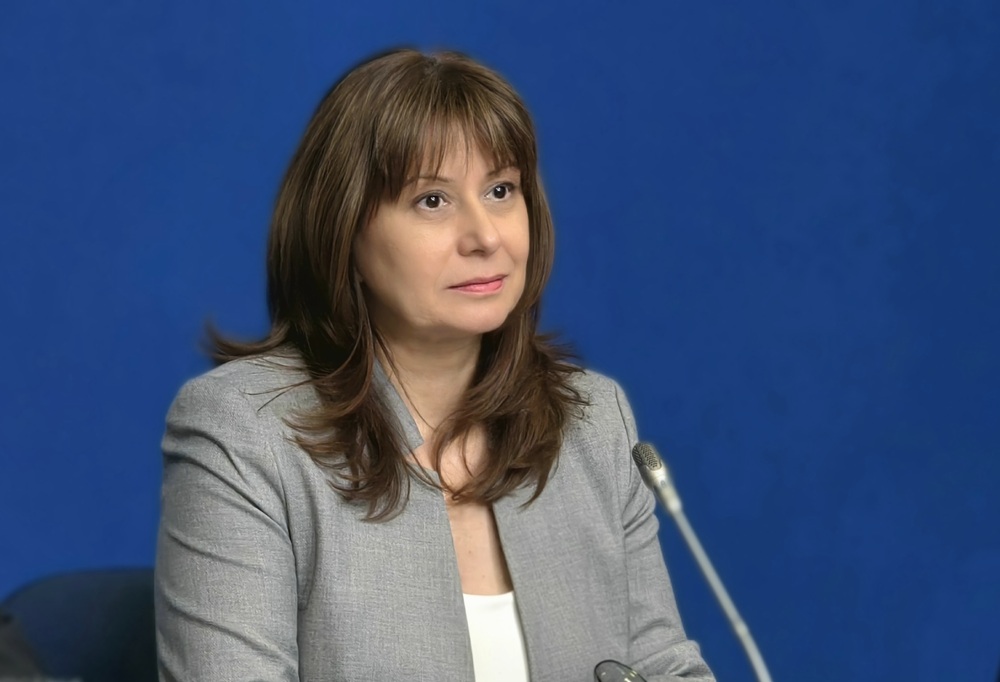
Ombudsman Velislava Delcheva has supported draft amendments to a 2015 ordinance on general education, tabled by the Education Ministry, to officially integrate artificial intelligence and digital literacy into the curriculum from third to twelfth grade, her office said.
In her opinion addressed to caretaker Education Minister Sergey Ignatov, Delcheva says that the proposed changes are a timely and necessary step toward modernizing Bulgarian education in the context of the rapid advancement of new technologies across all areas of society.
According to Delcheva, artificial intelligence can be a valuable assistant in the learning process, in students’ research and creative activities, as well as a tool for modernizing the educational environment and improving feedback between teachers and students. At the same time, she emphasizes that technology should not replace the cognitive process, but rather support it.
According to the Ombudsman, the successful introduction of artificial intelligence in education depends on it being used as a guide to knowledge, not as a substitute for it.
In her opinion, Delcheva also points out the need for students to develop critical thinking, fact-checking skills, the ability to recognize disinformation and algorithmic bias, as well as ethical responsibility in the use of artificial intelligence. She also highlights the new role of the teacher—not only as a source of knowledge, but also as a mentor and navigator in the digital environment.
Delcheva highlights the risks that need to be considered when implementing the reform. Among them are the potential deepening of the digital divide between schools and regions, the need for high-quality training and support for teachers, the protection of students’ personal data, the risk of plagiarism and excessive dependence on technology, the lack of clear mechanisms for assessing new competencies, and the need for sufficient technical infrastructure.
In her opinion, the draft largely aligns with UNESCO’s guidelines on generative artificial intelligence in education, as well as with the European rules under Regulation (EU) 2024/1689 on artificial intelligence, which defines education as a high-risk sector.
Delcheva recommends that the Ministry of Education consider creating a list of certified and safe artificial intelligence tools for use in schools, as well as introducing additional rules to ensure child protection, transparency, and human oversight in the use of technology in the learning process, the statement says.
She also stresses the need for a comprehensive approach to mental health in schools, including programs for social and emotional learning to support children’s adaptation to the rapidly changing digital environment.
/DD/
news.modal.header
news.modal.text