site.bta1,000-Plus Labor Violations Established in Q1, Ten Operations Suspended
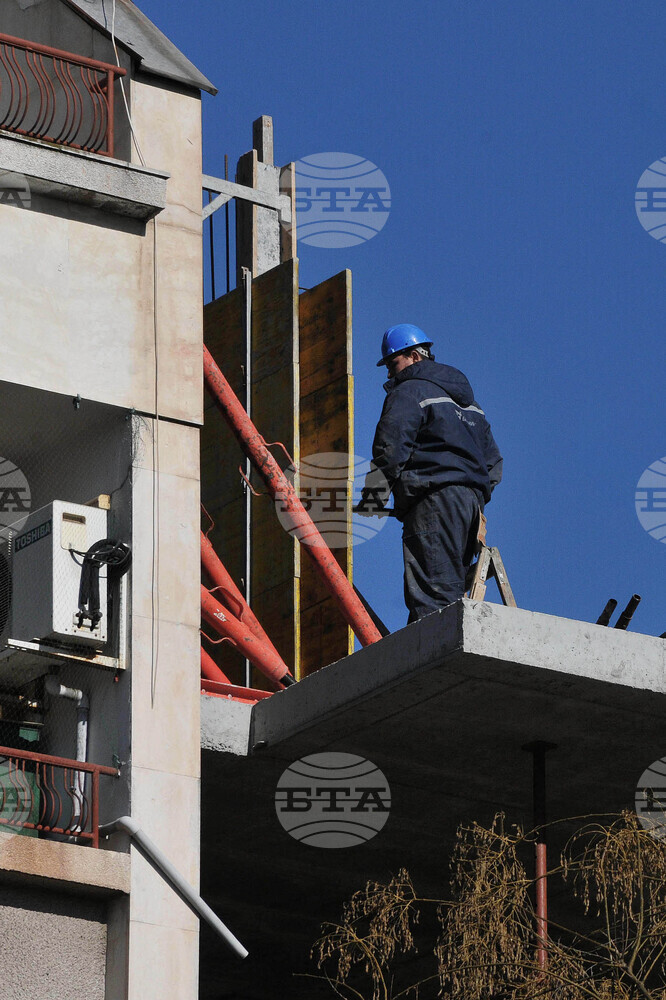
In the first quarter of 2026, 160 inspections were carried out, during which 1,043 violations of labor legislation were identified, the Executive Agency General Labor Inspectorate said on Wednesday.
A total of 33 statements establishing administrative violations were issued. Ten operations, sections, machines, and facilities were suspended, and two individuals were removed from work due to lack of qualification and failure to comply with safety regulations, the Inspectorate reported. Representatives of trade union organizations participated in 20 of the labor inspections.
A team of labor inspectors also checked a glass manufacturing facility for exposure to chemical agents when working with carcinogens and mutagens, as well as the risks this poses to employees, the General Labor Inspectorate said. The inspection was joined by Labour Inspectorate Executive Director Ekaterina Asenova, Confederation of Independent Trade Unions in Bulgaria Vice President Ognyan Atanasov, the secretary of the Podkrepa Confederation of Labor, Aleksandar Zagorov, along with representatives of both trade union organizations and the enterprise.
The inspection activities are part of joint oversight carried out by the Labor Inspectorate together with representatives of trade unions and members of workplace conditions committees.
According to Ekaterina Asenova, this inspection is part of a campaign against hazardous chemical substances, which will continue throughout 2026.
“The data from the Labor Inspectorate on non-traumatic accidents (caused by heart attacks, strokes, pulmonary embolisms, etc.) are extremely concerning. Last year, they totalled 61, with 58 of them resulting in fatalities. The changes to the regulations for protecting workers from risks related to exposure to chemical agents when working with carcinogens and mutagens have required the General Labor Inspectorate to focus its control activities on carrying out inspections to determine the extent to which the new requirements are being implemented in the production and storage of hazardous chemical substances,” Asenova said.
/RY/
news.modal.header
news.modal.text