site.btaThe Giro: First 147 Km to Be Pedalled in Bulgaria
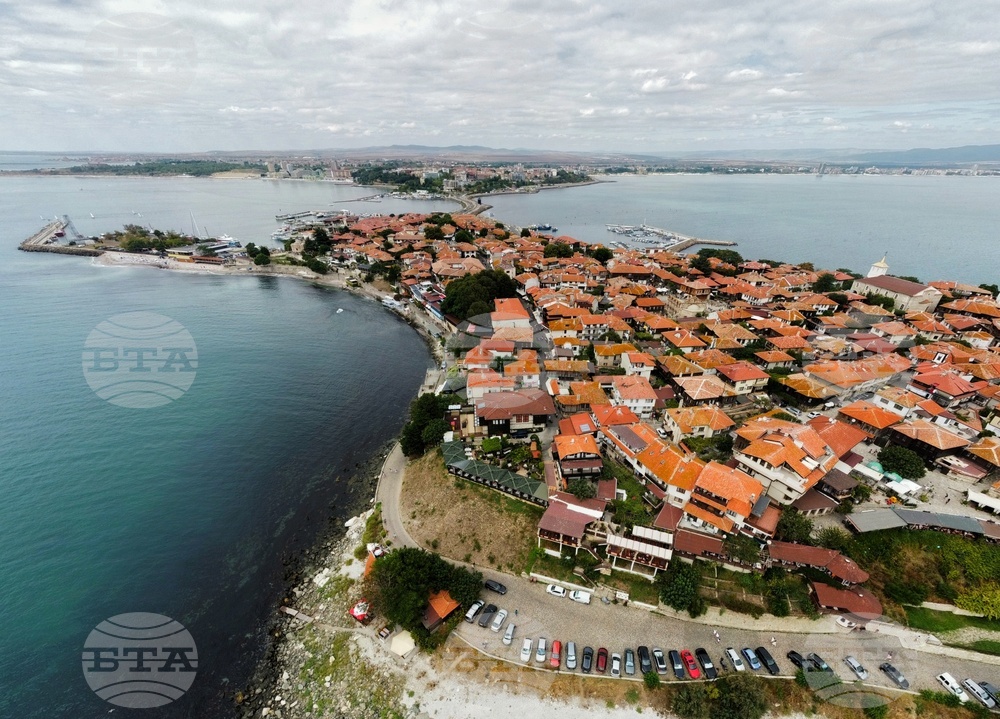
In 2026 Bulgaria is hosting the Grande Partenza event of the 109th Giro d'Italia. Running through key centres of culture and wonders of nature, the route is divided into three stages, each taking one day from May 8 to 10.
Stage 1: Nessebar – Burgas (May 8, 2026)
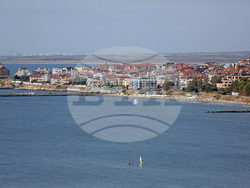
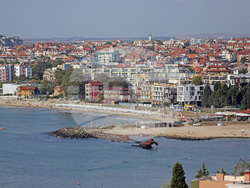
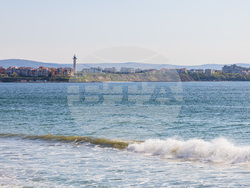
This stage of the cycling race (147 km) covers Bulgaria's Southern Black Sea coast, combining ancient history with biodiversity. The route runs across or past Nessebar, Ravda, Aheloy, Pomorie, Burgas, Malko Tarnovo, Rosen, Chernomorets, the Island of St Thomas, Cape Agalina and Sozopol and finishes in Demokratsiya Boulevard in Burgas.
Cultural and historical sites
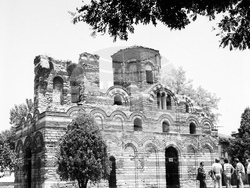
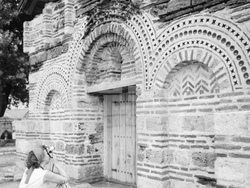
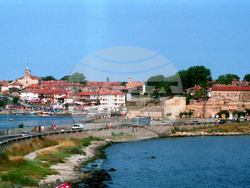
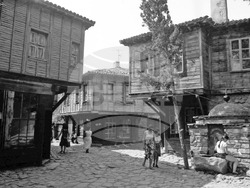
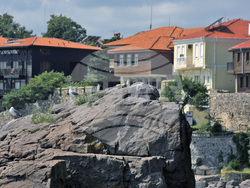
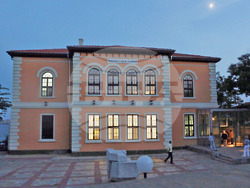
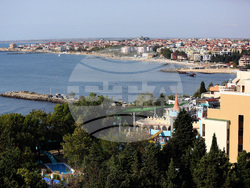
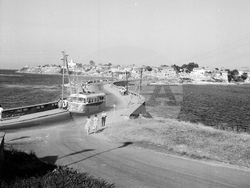
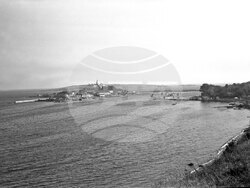
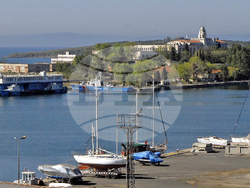
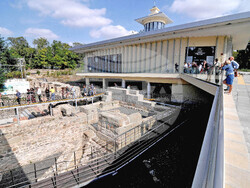
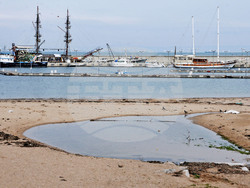
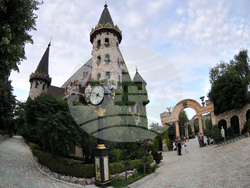
The Ancient City of Nessebar (on the UNESCO World Heritage List): The entire peninsula is an architectural historical reserve. Highlights include the fortress walls dating from Antiquity and the Middle Ages and the medieval churches (such as Christ Pantocrator). Among Europe’s most ancient cities, Nessebar emerged 3,200 years ago as a Thracian settlement and a Greek colony called Messambria. Finds from that period are kept at the Nessebar Archaeological Museum.
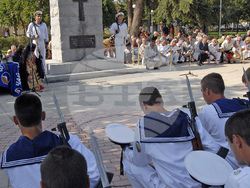
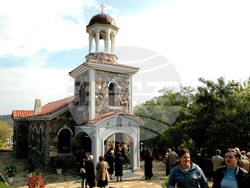
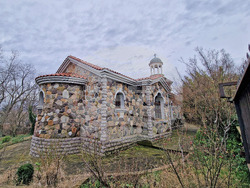
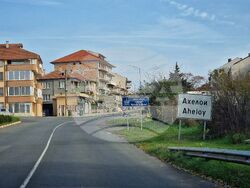
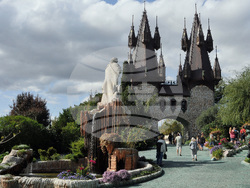
Another point on the route of the race for that day is Aheloy, a town whose heritage goes back to 917 CE, when the historic Battle of Achelous took place nearby. The event is commemorated by a monument in the town. The Giro also passes across Pomorie (Anhialo in Antiquity), an ancient salt producing and trade centre, and Sozopol (Apollonia Pontica), a town whose history dates back to the 4th - 3rd century BCE. Landmarks include the Ancient City with its authentic architecture and the Island of Sts Cyricus and Julitta. The racers will also cycle past a castle called In Love with The Wind (a tourist attraction near the village of Ravadinovo), where the Church of St John of Rila can be visited, too.
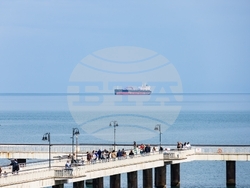
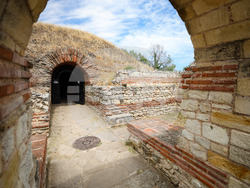
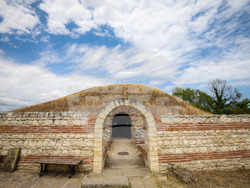
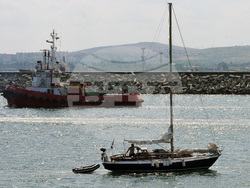
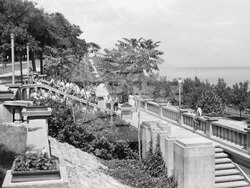
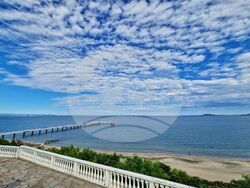
In Burgas, the route of the race includes Aquae Calidae in the Vetren Quarter (a tourist complex occupying the site of Roman (1st - 4th c. CE) and medieval thermae used by Emperors Trajan and Justinian and Sultan Suleiman the Magnificent) and the city’s iconic Seafront Park and Burgas Pier.
Natural landmarks
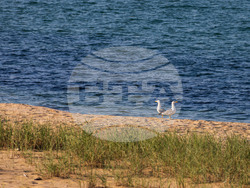
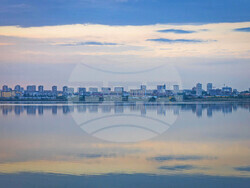
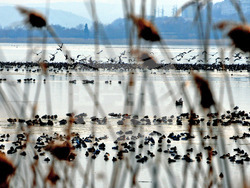
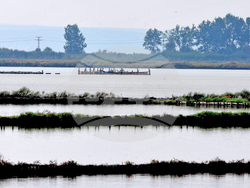
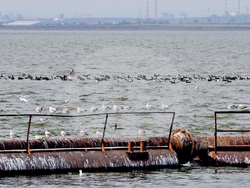
Before entering Burgas, the route skirts Lake Burgas (aka Lake Vaya) and Lake Atanasovsko. Lake Vaya is Bulgaria's largest and provides a nesting habitat for over 250 bird species, most of which are listed as threatened in the Red Data Book of Bulgaria.
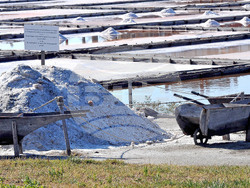
Lake Atanasovsko lies on the Via Pontica bird migration route and is a protected site within the Natura 2000 Europewide network, with pink lagoons, salt production, and bird watching.
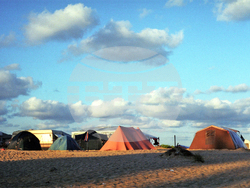
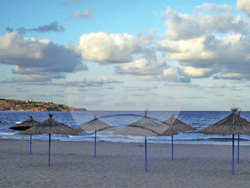
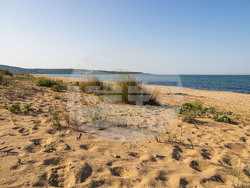
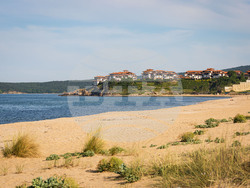
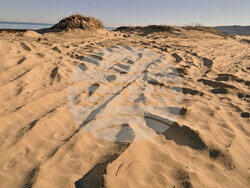
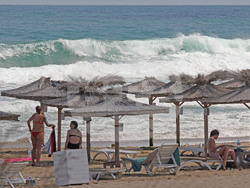
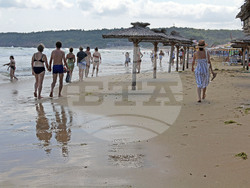
Other natural landmarks in the area are the Ropotamo Nature Reserve (including the Island of St Thomas, aka Snake Island, one of the few places in Bulgaria where wild-growing cacti can be found, and site of a Thracian sanctuary and Christian buildings excavated there), and the uniquely shaped rocky Cape Agalina. The sand dunes on the beaches across from the Alepu Swamp and at the Smokinya and Kavatsi camp sites (south of Sozopol) are other protected areas within the range of the cycling route.
/LG/
Additional






news.modal.image.header
news.modal.image.text
news.modal.download.header
news.modal.download.text
news.modal.header
news.modal.text