site.btaProject to Support SMEs from Bulgaria-Serbia Cross-border Region
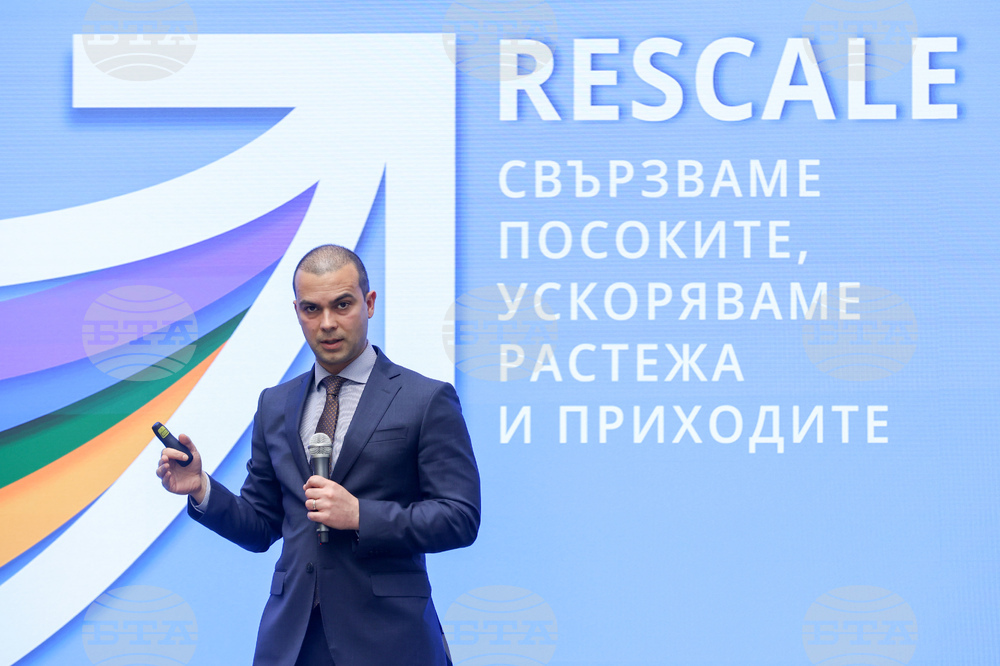
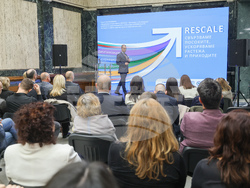
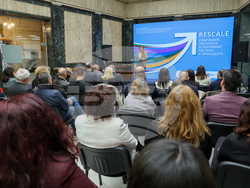
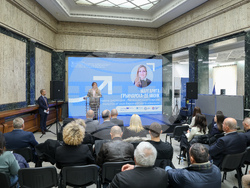
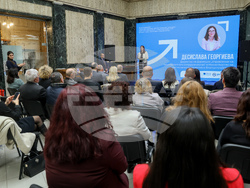
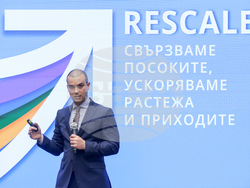
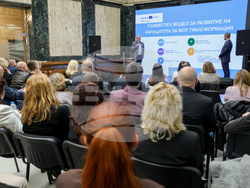
A project implemented by the Bulgarian Small and Medium Enterprises Promotion Agency (BSMEPA) will support SMEs in the cross-border region between Bulgaria and Serbia. The Scale Up Regions (RESCALE) project under the INTERREG VI-A IPA Bulgaria-Serbia Programme, co-financed by the European Union, was presented Tuesday at the Ministry of Innovation and Growth.
It will be implemented jointly by the BSMEPA, the Chamber of Commerce and Industry of Serbia, and the Science and Technology Park in Nis.
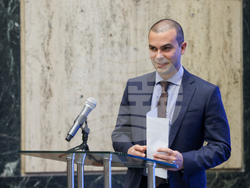
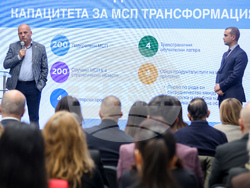
BSMEPA Executive Director Boyko Takov, explained that the project aims to support 200 companies - 100 from Bulgaria and 100 from Serbia - to be divided equally into four areas: digitalization, internationalization, the green economy, and tourism. They will be able to express their desire to develop in these areas. The programme will begin with analyses to assess the current state of the companies and identify areas for improvement.
Takov commented that there is no doubt that trade between Bulgaria and Serbia has hidden potential for growth and could certainly be much better, adding that within the framework of the project, companies will have the opportunity to gain practical insight into the possibilities for this. Takov further explained that 40 companies - 20 from each country - will remain in the second phase of the project, as these will be the best and most promising, while the final phase will feature 4 Bulgarian and 4 Serbian companies. The idea is for a Bulgarian and a Serbian company in each of the four sectors to develop a project, service, or innovative product that reaches the prototype stage.
"In the first phase, we will work individually with companies; there will be joint trade missions and exhibitions, and we also plan to collaborate with the World Bank," Takov said. He explained that the bank is expected to conduct two analyses - one will examine which companies operate in border regions and the sectors in which they operate, as well as the opportunities for cooperation and support for joint ventures and expansion into third markets. The second analysis will focus on the overall economic development of the border regions. Takov also announced that a call for proposals for the project is forthcoming.
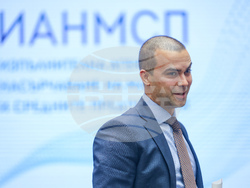
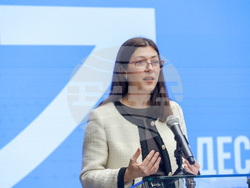
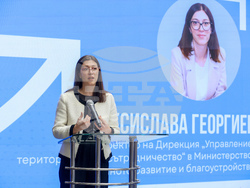
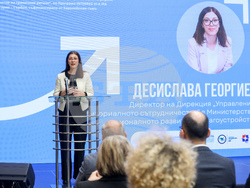
Desislava Georgieva, Director of the Territorial Cooperation Management Directorate at the Ministry of Regional Development and Public Works, noted that the most valuable aspect of the project is that it provides know-how that businesses can utilize to select what is most important and useful for their development. "What is valuable is that we will provide a functioning network for the exchange of contacts, experience, solutions, and ideas among the direct participants in these processes, and this will ensure the sustainability of the efforts we are currently investing," she added. Georgieva assured that the programme’s managing authority will support business representatives with guidance and solutions to help the cross-border region between Bulgaria and Serbia become more accessible and competitive.
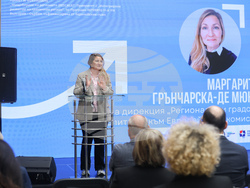
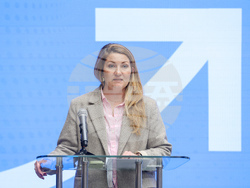
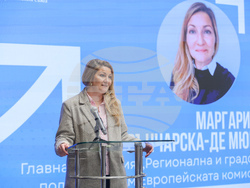
"Cooperation is key to reducing regional disparities, strengthening economic resilience, and unlocking the full potential of cross-border regions," said Margarita Grantcharska-De Muynck of the European Commission's Directorate-General for Regional and Urban Policy. In her words, the Commission welcomes this wise and well-considered investment to support 200 local SMEs, to enhance their capacity for innovation and digitalization, as well as to transition to more sustainable and resource-efficient business models, which will enable them to grow and become more competitive in regional and international markets.
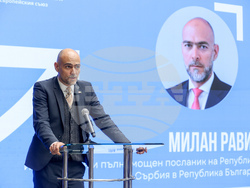
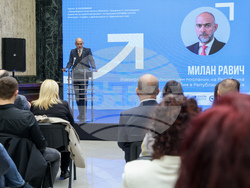
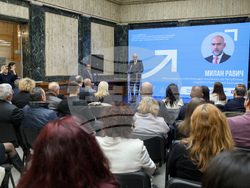
Cross-border cooperation is not just about funding; it is about building sustainable partnerships, friendships, and tangible benefits for our citizens, economies, and countries, noted Serbian Ambassador to Bulgaria Milan Ravic. "By supporting 200 companies through training, mentoring, innovation, and international presence, we sincerely believe that this project will strengthen competitiveness and build long-term sustainability for small and medium-sized enterprises," he added.
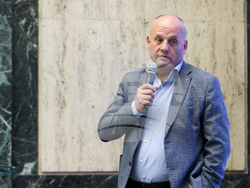
Aleksandar Milicevic of the Chamber of Commerce and Industry of Serbia said he expects many good contacts and that improved trade in the cross-border regions of both countries, which in his opinion is not at a high level.
/MR/
Additional




news.modal.image.header
news.modal.image.text
news.modal.download.header
news.modal.download.text
news.modal.header
news.modal.text