site.btaEuropean Commission Confirms Bulgaria Has Activated Rapid Response System Ahead of Elections
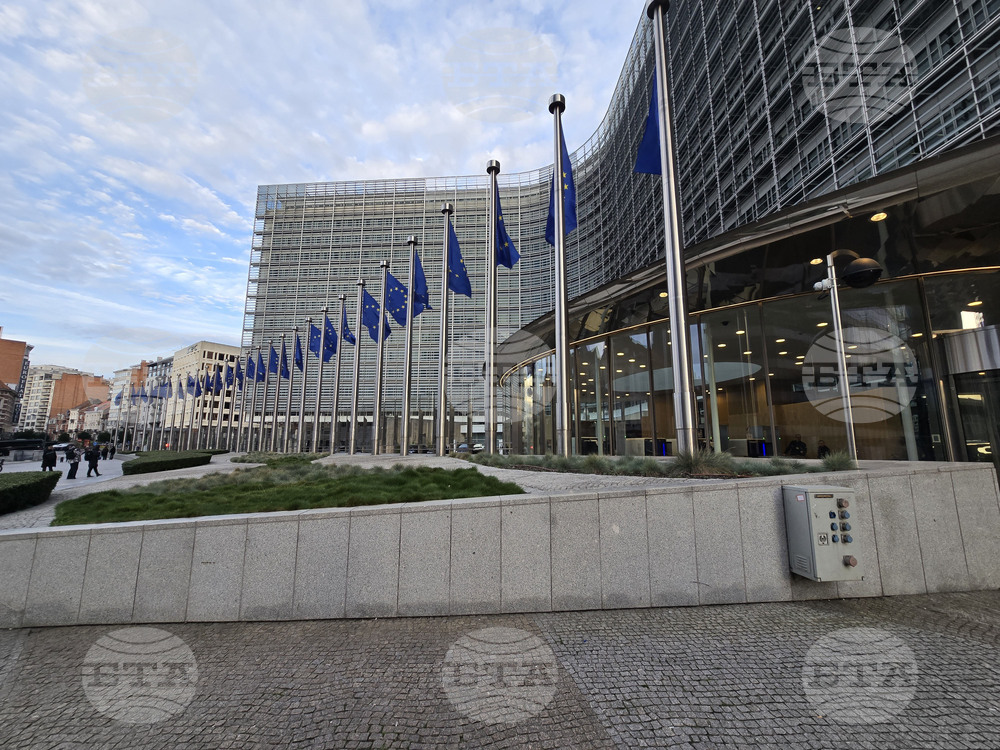
The European Commission said on Tuesday that Bulgaria had asked for the Rapid Response System provided in the framework of the Digital Services Act (DSA) to be activated ahead of the April 19 parliamentary elections. It will remain active until a week after the elections, a spokesperson said, taking a question.
The entire toolbox at the disposal of the EU can potentially support any election in the Member States, with the sole objective that citizens can make informed and neutral decisions before a vote, the spokesperson said. The European Commission has not been invited to a joint meeting with online platforms focused on the elections in Bulgaria and the need to prevent the spread of disinformation and potential attempts at foreign interference. In his words, that is a question for the Bulgarian authorities, because such a round table is voluntary and is up to the national authorities to be organized or not.
The European Commission has a cooperation mechanism among Member States for sharing information and best practices, not only with national authorities but also civil society organizations and fact-checkers. He noted that there are also opportunities for additional assistance in emergencies, as well as for the exchange of alerts through the system of the European External Action Service.
The spokesperson said elections are a national competence and they are in the hands of citizens: "We can assist and strengthen our democratic resilience. We do not interfere in elections." He also said that cases where online platforms boost attempts at interference in elections can be investigated.
On Monday, Foreign Minister Nadezhda Neynsky ordered the establishment of a temporary coordination mechanism within the Ministry of Foreign Affairs to counter disinformation and combat hybrid threats ahead of the April 19 elections. The mechanism is aimed at maintaining information resilience amid an expected increase in disinformation campaigns and attempts to manipulate foreign policy-related information, the Ministry said. The mechanism will also coordinate the institutional communication response and engage with international partners and EU and NATO structures.
/RY/
news.modal.header
news.modal.text