site.btaState of Emergency Declared for Srebarna Reserve over Critically Low Water Level
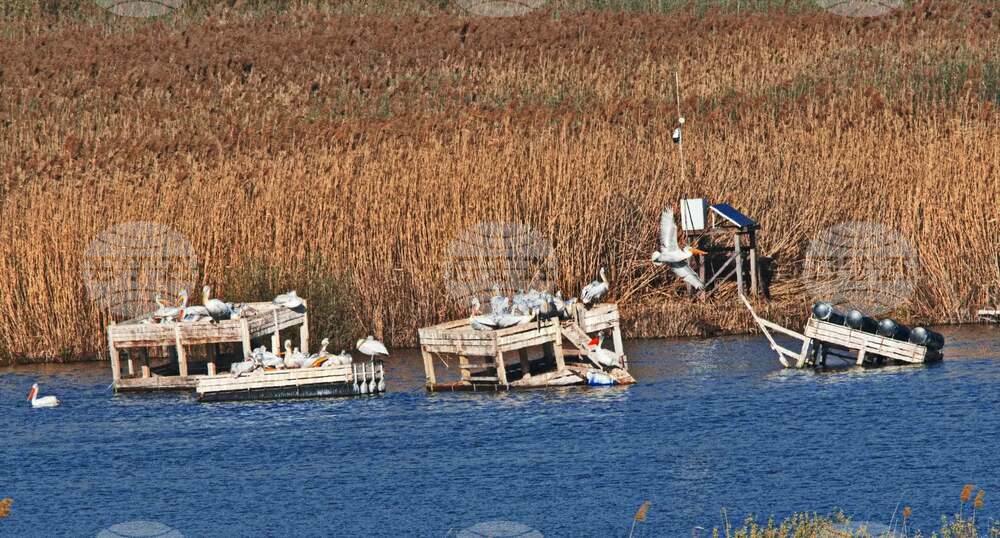
A state of emergency has been declared in the Srebarna Nature Reserve after critically low water levels were registered in the lake. The decision was made on Tuesday by Silistra Mayor Aleksandar Sabanov and will remain in force from July 14 to July 21.
The measure follows a warning from the Regional Inspectorate of Environment and Water (RIEW) in Ruse about serious risks to the reserve’s unique ecosystem. A crisis team has been formed to coordinate urgent actions and monitor the situation.
The announcement was made at a joint press conference attended by RIEW Ruse Director Daud Ibryam, Silistra Regional Governor Nikolay Nedelchev and Commissioner Evlogi Stamov, Director of the Silistra Directorate for Fire Safety and Population Protection.
Water levels in the lake have fallen to around 80 centimetres, nearly one metre below the seasonal optimum. Authorities had expected the Danube River to rise enough by the end of May to naturally restore the reserve’s water supply, but the continued low river levels prevented this from happening.
Environmental specialists report that no major damage to the reserve’s plants or wildlife has been detected so far. Breeding conditions remain stable, and waterfowl have not abandoned the area. However, experts warn that prolonged drought and high temperatures could lower oxygen levels in the lake and threaten the ecosystem.
As an immediate measure, teams from the Regional Fire Safety and Civil Protection Directorate in Silistra will pump water from the Danube into the reserve. Longer-term solutions include the construction of a solar-powered pumping station and the purchase of two permanent pumps to provide a more reliable water supply during future drought periods. The project is expected to take one to two years to complete, depending on available funding.
A similar emergency intervention took place in the summer of 2025, when more than 3 million cubic metres of water were pumped into the lake over 74 days, preventing the reserve from drying out.
More than 60 species of higher plants, 39 species of mammals, 21 species of reptiles and amphibians, and 20 species of fish inhabit the reserve, along with over 90 species of waterfowl. The reserve sits on the Via Pontica, the main migration route for birds between Europe and Africa, and the lake is unique for its reed islands that float freely on the surface. The reserve's history dates back over 150 years to when Austrian scholar Felix Kanitz visited and later wrote a three-volume work on Srebarna and the Danube; the first Bulgarian to study and promote the area was Aleksi Petrov, who first visited in 1911 — his advocacy contributed to the authorities declaring Srebarna a reserve in 1948.
In 1983, Srebarna was inscribed on the UNESCO World Heritage List as an ecosystem providing critical habitat for the endangered Dalmatian pelican.
/NF/
news.modal.header
news.modal.text