Giro d’Italia in Bulgaria, Stage 2: the Route Comes to Life in Images Captured on Camera by BTA
Giro d’Italia in Bulgaria, Stage 2: the Route Comes to Life in Images Captured on Camera by BTA
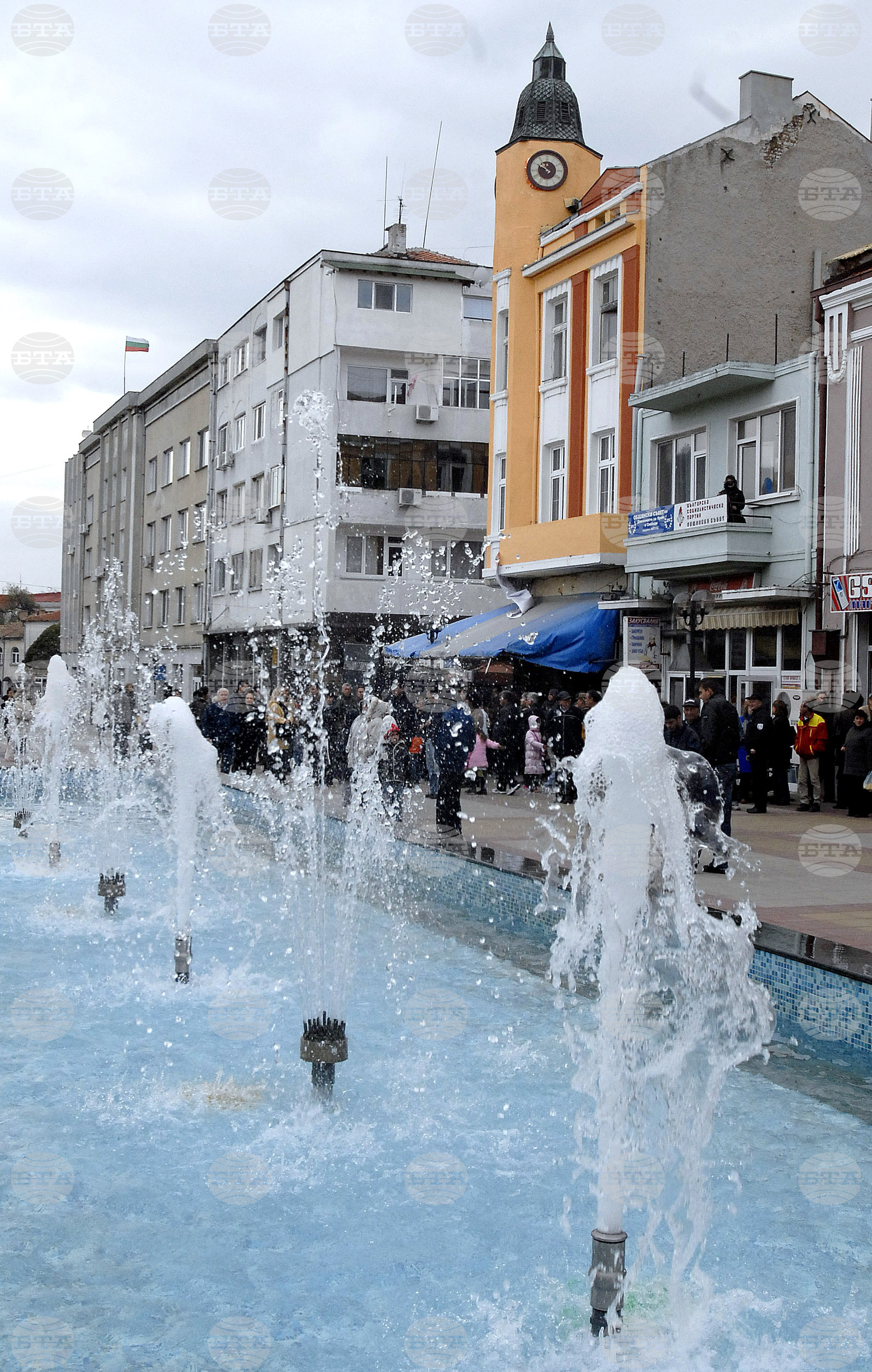
The town of Aytos in Eastern Bulgaria is successor to a settlement that has been there since Antiquity and was founded by the Thracians. Finds from the Neolithic period prove that the place was populated millennia ago. The town is associated with the medieval fortress of Aetos (Greek for “eagle”). The ruins of three towers are part of a fortress, built between 650 and 750 CE, to which the town owes its present name. The square and the restored clock tower were inaugurated in the town, October 26, 2008 (BTA Photo/Todor Stavrev)
news.anonymous.signup
news.anonymous.login
Giro d’Italia in Bulgaria, Stage 2: the Route Comes to Life in Images Captured on Camera by BTA
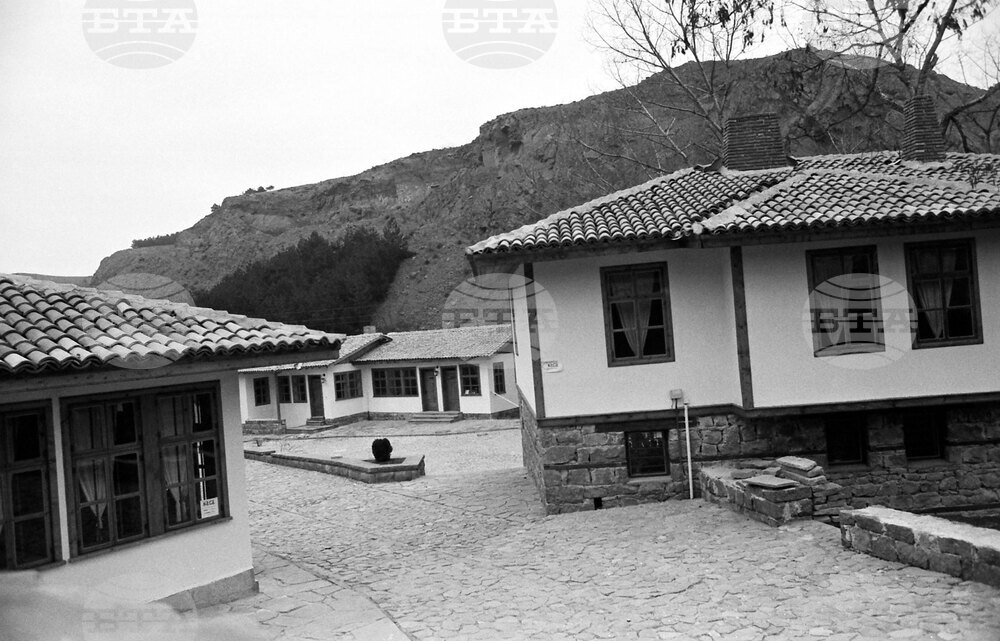
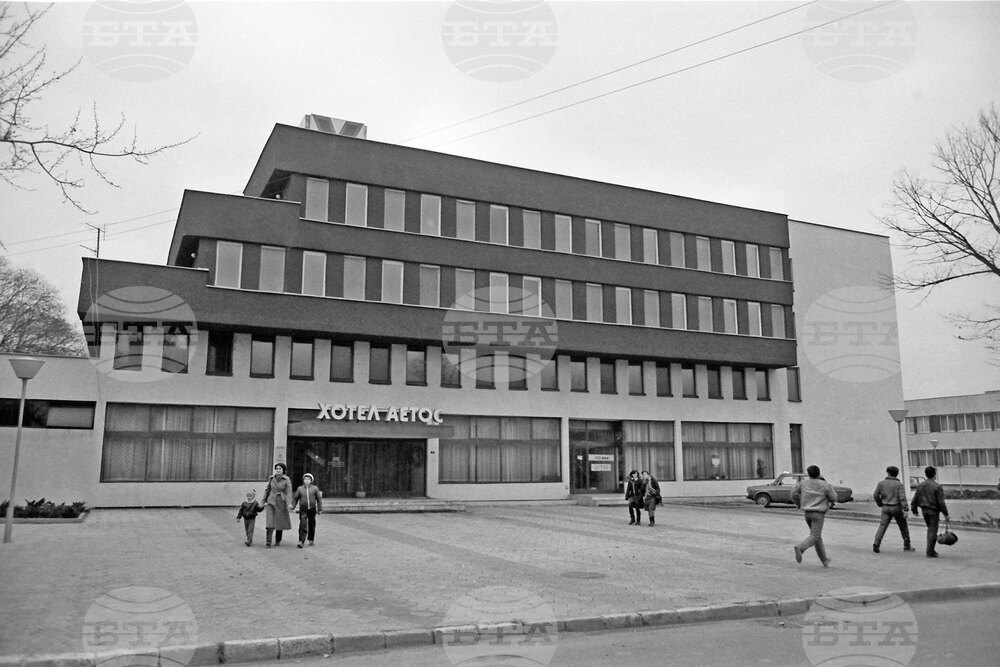
АThe town of Aytos in Eastern Bulgaria is successor to a settlement that has been there since Antiquity and was founded by the Thracians. Finds from the Neolithic period prove that the place was populated millennia ago. The town is associated with the medieval fortress of Aetos (Greek for “eagle”). The ruins of three towers are part of a fortress, built between 650 and 750 CE, to which the town owes its present name. The newly opened Hotel Aetos, Aytos, December 17, 1986 (BTA Archive Photo/Dimitar Bozhinov)
news.anonymous.signup
news.anonymous.login
Giro d’Italia in Bulgaria, Stage 2: the Route Comes to Life in Images Captured on Camera by BTA
The town of Aytos in Eastern Bulgaria is successor to a settlement that has been there since Antiquity and was founded by the Thracians. Finds from the Neolithic period prove that the place was populated millennia ago. The town is associated with the medieval fortress of Aetos (Greek for “eagle”). The ruins of three towers are part of a fortress, built between 650 and 750 CE, to which the town owes its present name. The newly opened Hotel Aetos, Aytos, December 17, 1986 (BTA Archive Photo/Dimitar Bozhinov)
news.anonymous.signup
news.anonymous.login
Giro d’Italia in Bulgaria, Stage 2: the Route Comes to Life in Images Captured on Camera by BTA
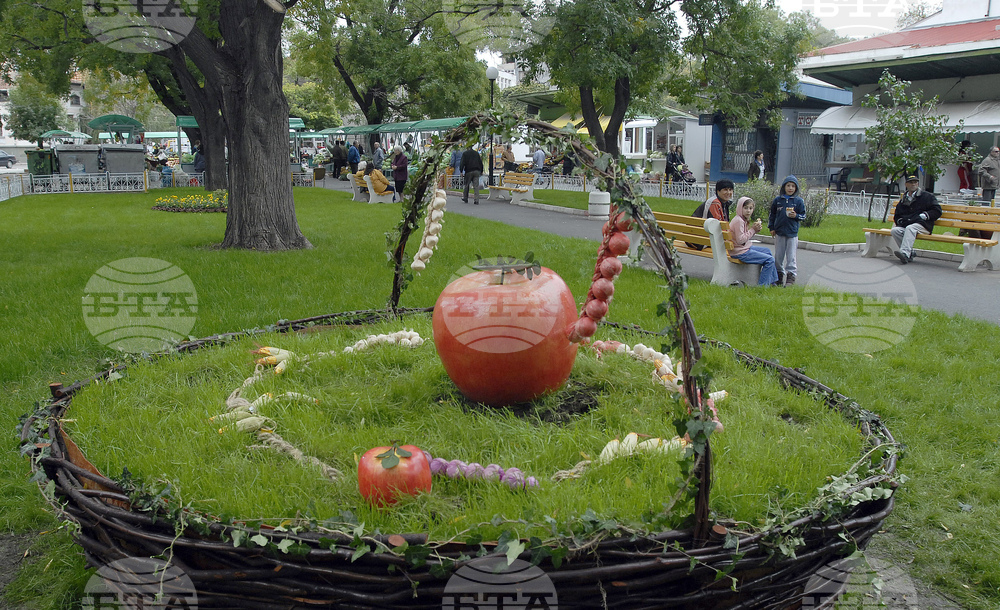
The town of Aytos in Eastern Bulgaria is successor to a settlement that has been there since Antiquity and was founded by the Thracians. Finds from the Neolithic period prove that the place was populated millennia ago. The town is associated with the medieval fortress of Aetos (Greek for “eagle”). The ruins of three towers are part of a fortress, built between 650 and 750 CE, to which the town owes its present name. On St Demetrius Day, the renovated municipal market and kindergarten were opened in the town, Aytos, October 26, 2009 (BTA Photo/Todor Stavrev)
news.anonymous.signup
news.anonymous.login
Giro d’Italia in Bulgaria, Stage 2: the Route Comes to Life in Images Captured on Camera by BTA
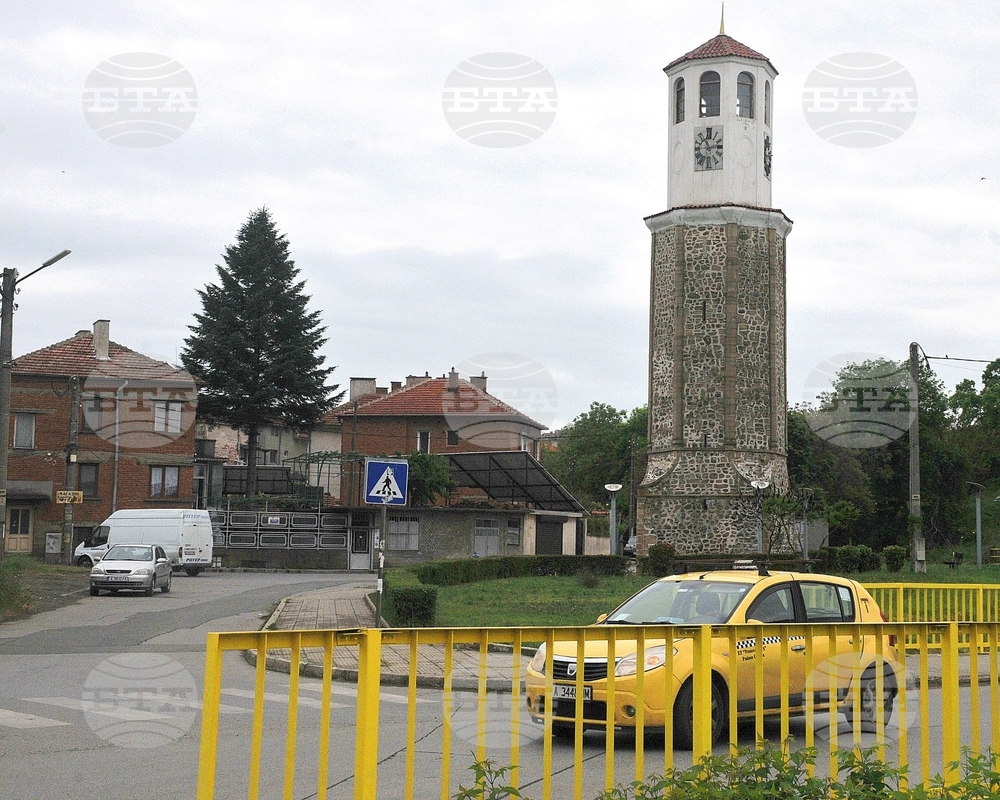
The town of Karnobat is situated in Southeastern Bulgaria, roughly equidistant from Burgas, Sliven and Yambol. Archaeological finds unearthed in the Karnobat area attest to habitation since the Neolithic period. In Antiquity, the area was populated by Thracian tribes, and later it was incorporated into the Roman Empire. In the Middle Ages, the settlement was strategically important because of its location. Near the town are the Krum's Hollows (rock formations in the Hisar Heights associated with the campaigns of Bulgarian Khan Krum (reigned 803-814 CE) against Byzantium. During the Ottoman period, Karnobat developed as an administrative and commercial centre. Clock tower after restoration, Karnobat, May 29, 2023 (BTA Archive Photo/Todor Stavrev)
news.anonymous.signup
news.anonymous.login
Giro d’Italia in Bulgaria, Stage 2: the Route Comes to Life in Images Captured on Camera by BTA
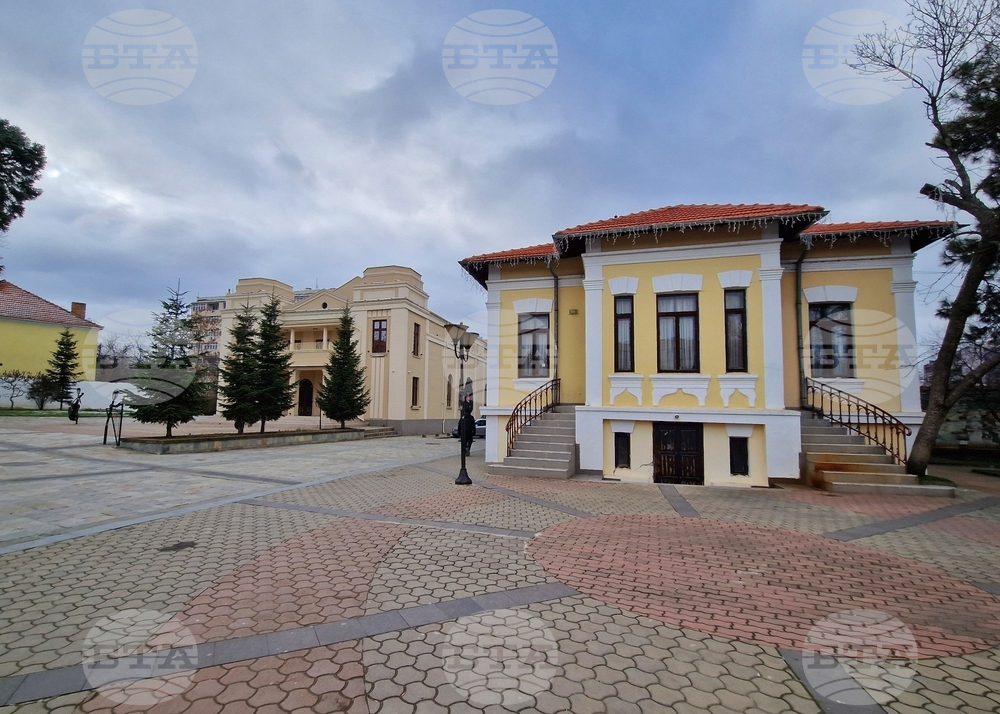
The town of Karnobat is situated in Southeastern Bulgaria, roughly equidistant from Burgas, Sliven and Yambol. Archaeological finds unearthed in the Karnobat area attest to habitation since the Neolithic period. In Antiquity, the area was populated by Thracian tribes, and later it was incorporated into the Roman Empire. In the Middle Ages, the settlement was strategically important because of its location. Near the town are the Krum's Hollows (rock formations in the Hisar Heights associated with the campaigns of Bulgarian Khan Krum (reigned 803-814 CE) against Byzantium. During the Ottoman period, Karnobat developed as an administrative and commercial centre. The Dimitar Polyanov House Museum, Karnobat, January 19, 2026 (BTA Photo/Hristo Stefanov)
news.anonymous.signup
news.anonymous.login
Giro d’Italia in Bulgaria, Stage 2: the Route Comes to Life in Images Captured on Camera by BTA
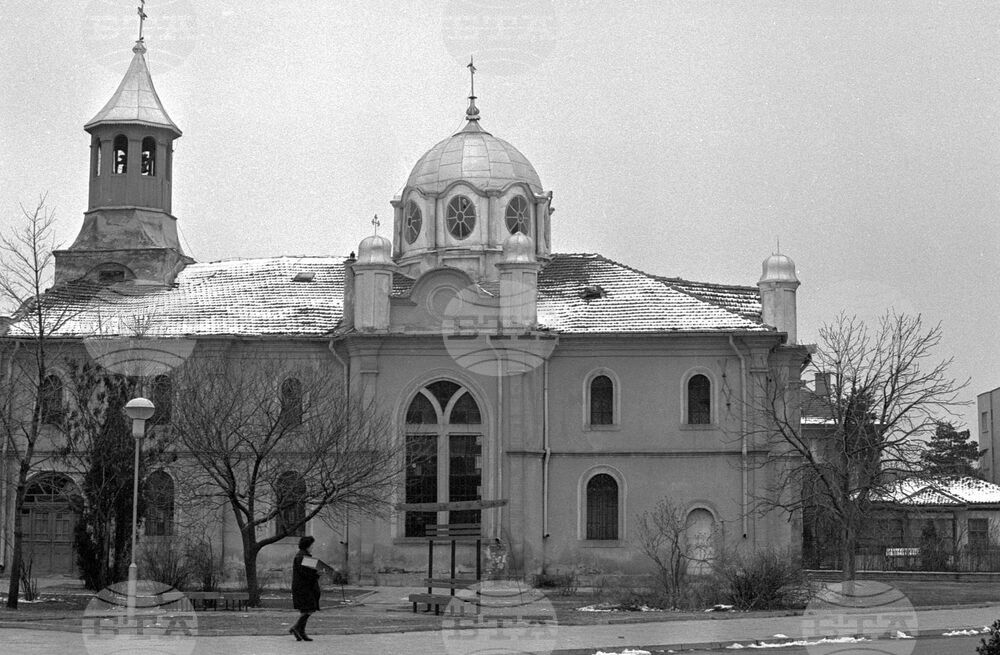
The town of Karnobat is situated in Southeastern Bulgaria, roughly equidistant from Burgas, Sliven and Yambol. Archaeological finds unearthed in the Karnobat area attest to habitation since the Neolithic period. In Antiquity, the area was populated by Thracian tribes, and later it was incorporated into the Roman Empire. In the Middle Ages, the settlement was strategically important because of its location. Near the town are the Krum's Hollows (rock formations in the Hisar Heights associated with the campaigns of Bulgarian Khan Krum (reigned 803-814 CE) against Byzantium. During the Ottoman period, Karnobat developed as an administrative and commercial centre. The town church, Karnobat, February 20, 1981 (BTA Photo/Petar Zhekov)
news.anonymous.signup
news.anonymous.login
Giro d’Italia in Bulgaria, Stage 2: the Route Comes to Life in Images Captured on Camera by BTA
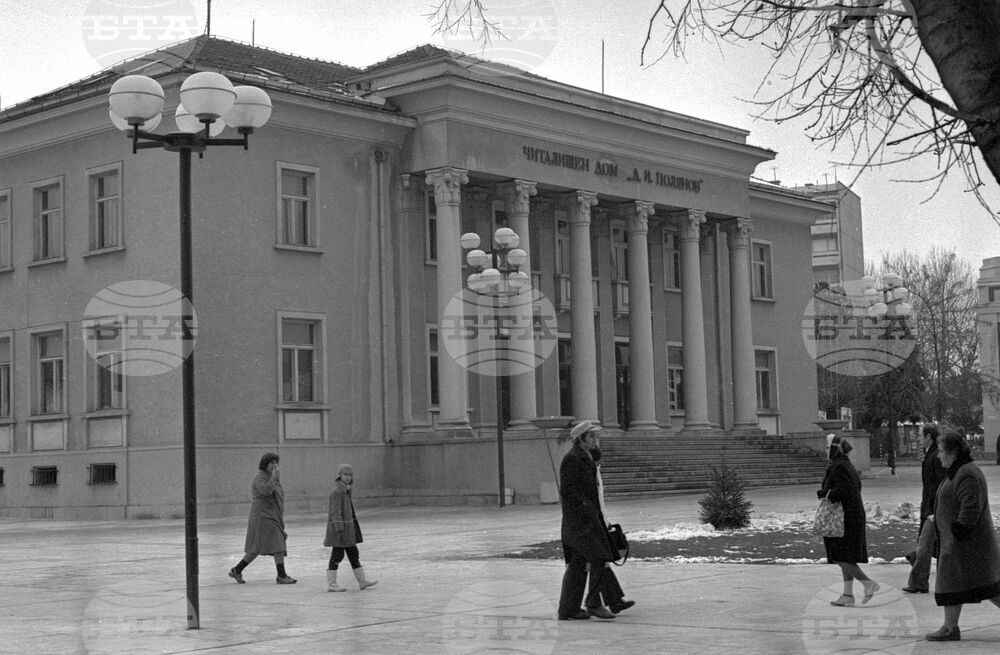
The town of Karnobat is situated in Southeastern Bulgaria, roughly equidistant from Burgas, Sliven and Yambol. Archaeological finds unearthed in the Karnobat area attest to habitation since the Neolithic period. In Antiquity, the area was populated by Thracian tribes, and later it was incorporated into the Roman Empire. In the Middle Ages, the settlement was strategically important because of its location. Near the town are the Krum's Hollows (rock formations in the Hisar Heights associated with the campaigns of Bulgarian Khan Krum (reigned 803-814 CE) against Byzantium. During the Ottoman period, Karnobat developed as an administrative and commercial centre. The Dimitar Polyanov Chitalishte [Community Centre], Karnobat, February 20, 1981 (BTA Photo/Petar Zhekov)
news.anonymous.signup
news.anonymous.login
Giro d’Italia in Bulgaria, Stage 2: the Route Comes to Life in Images Captured on Camera by BTA
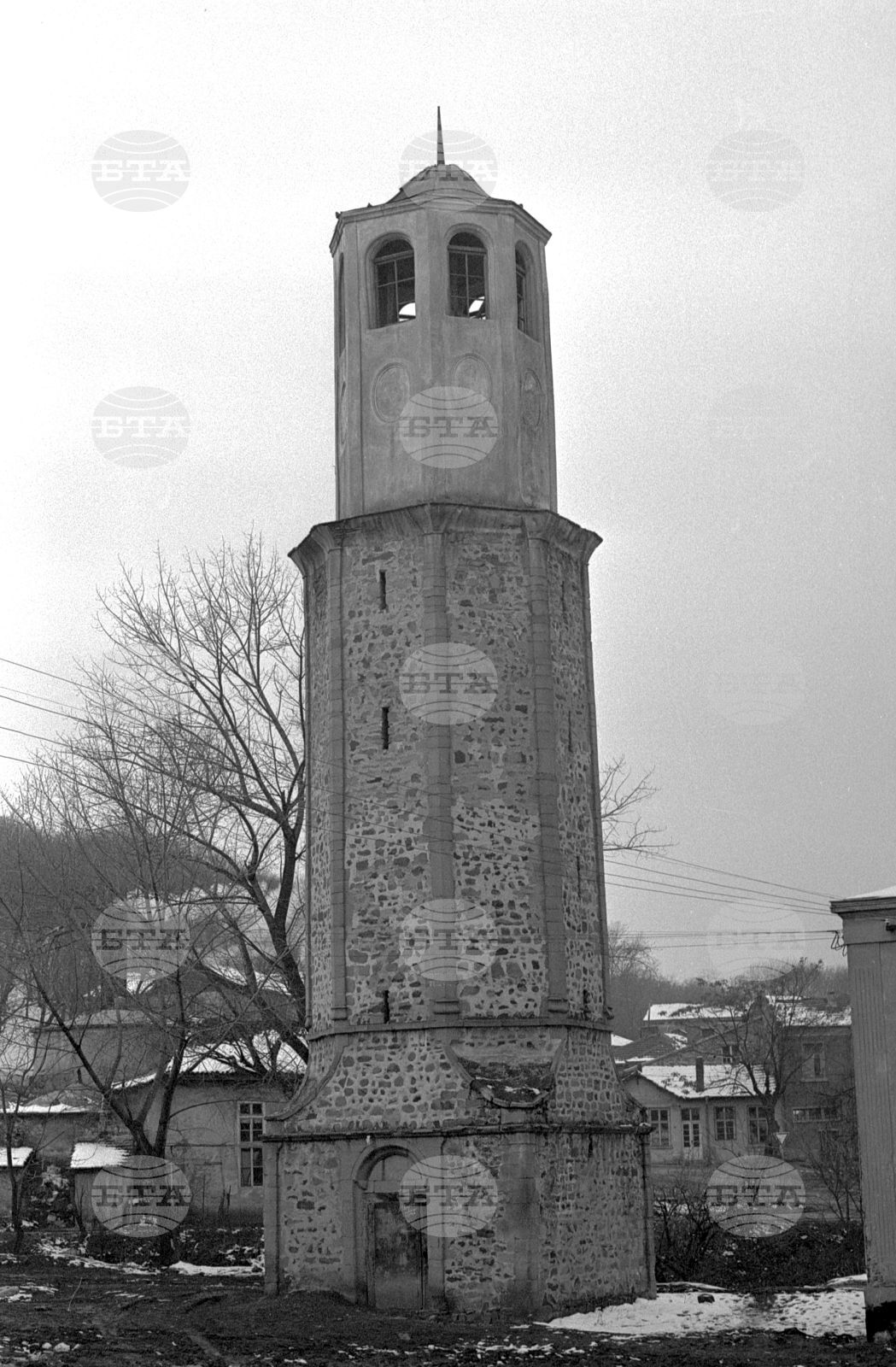
The town of Karnobat is situated in Southeastern Bulgaria, roughly equidistant from Burgas, Sliven and Yambol. Archaeological finds unearthed in the Karnobat area attest to habitation since the Neolithic period. In Antiquity, the area was populated by Thracian tribes, and later it was incorporated into the Roman Empire. In the Middle Ages, the settlement was strategically important because of its location. Near the town are the Krum's Hollows (rock formations in the Hisar Heights associated with the campaigns of Bulgarian Khan Krum (reigned 803-814 CE) against Byzantium. During the Ottoman period, Karnobat developed as an administrative and commercial centre. Clock tower, built in 1841, 23.45 metres high, with its bell installed in 1875, Karnobat, February 20, 1981 (BTA Archive Photo/Petar Zhekov)
news.anonymous.signup
news.anonymous.login
Giro d’Italia in Bulgaria, Stage 2: the Route Comes to Life in Images Captured on Camera by BTA
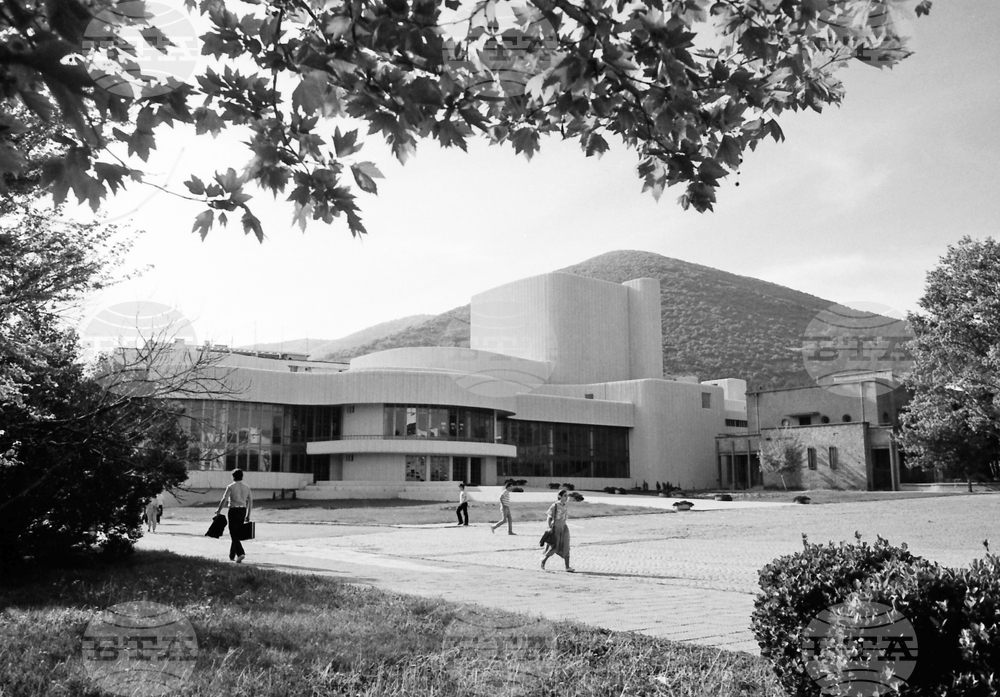
The Balkan Range overlooks the city of Sliven (Southeastern Bulgaria). The earliest settlement on the site was Thracian, known as Tuida. The ruins of an Early Byzantine and medieval fortress are located on Hisarlaka Hill on the northeastern outskirts of Sliven. Under the Romans it developed as a hub of trade and retained that role in the Middle Ages. During the Ottoman period, Sliven established itself as a centre of crafts and commerce. The Balkans’ first textile factory opened there in 1836. The new building of the Stefan Kirov Drama Theatre, Sliven, May 25, 1987 (BTA Photo/Rosen Marinov)
news.anonymous.signup
news.anonymous.login
Giro d’Italia in Bulgaria, Stage 2: the Route Comes to Life in Images Captured on Camera by BTA
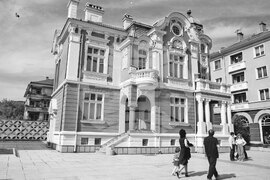
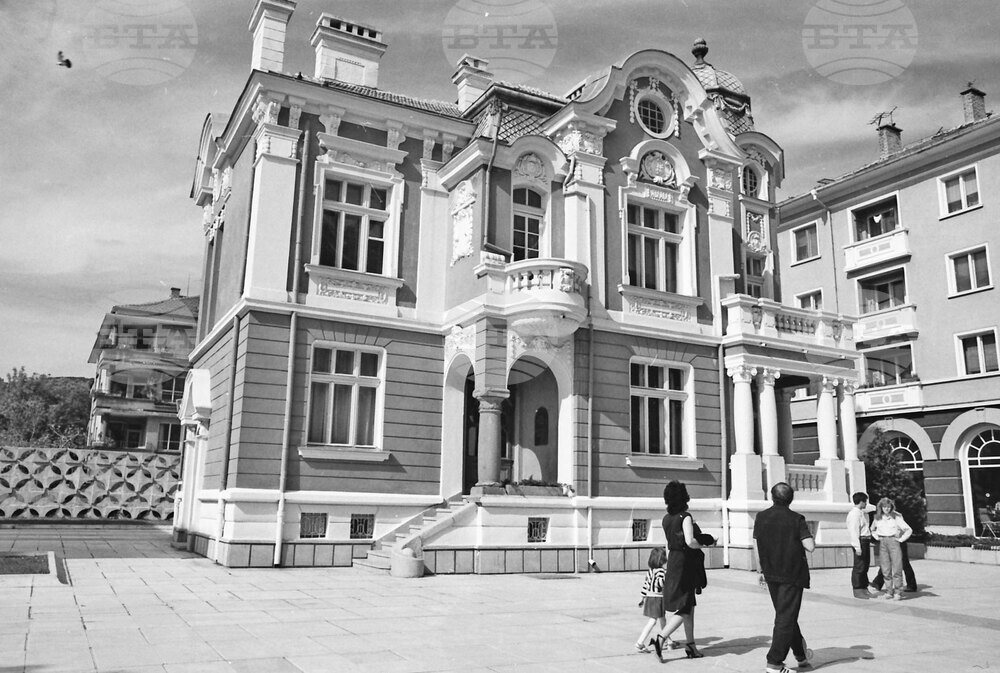
The Balkan Range overlooks the city of Sliven (Southeastern Bulgaria). The earliest settlement on the site was Thracian, known as Tuida. The ruins of an Early Byzantine and medieval fortress are located on Hisarlaka Hill on the northeastern outskirts of Sliven. Under the Romans it developed as a hub of trade and retained that role in the Middle Ages. During the Ottoman period, Sliven established itself as a centre of crafts and commerce. The Balkans’ first textile factory opened there in 1836. A new branch of the District Art Gallery has opened, Sliven, May 25, 1987 (BTA Photo/Rosen Marinov)
news.anonymous.signup
news.anonymous.login
Giro d’Italia in Bulgaria, Stage 2: the Route Comes to Life in Images Captured on Camera by BTA
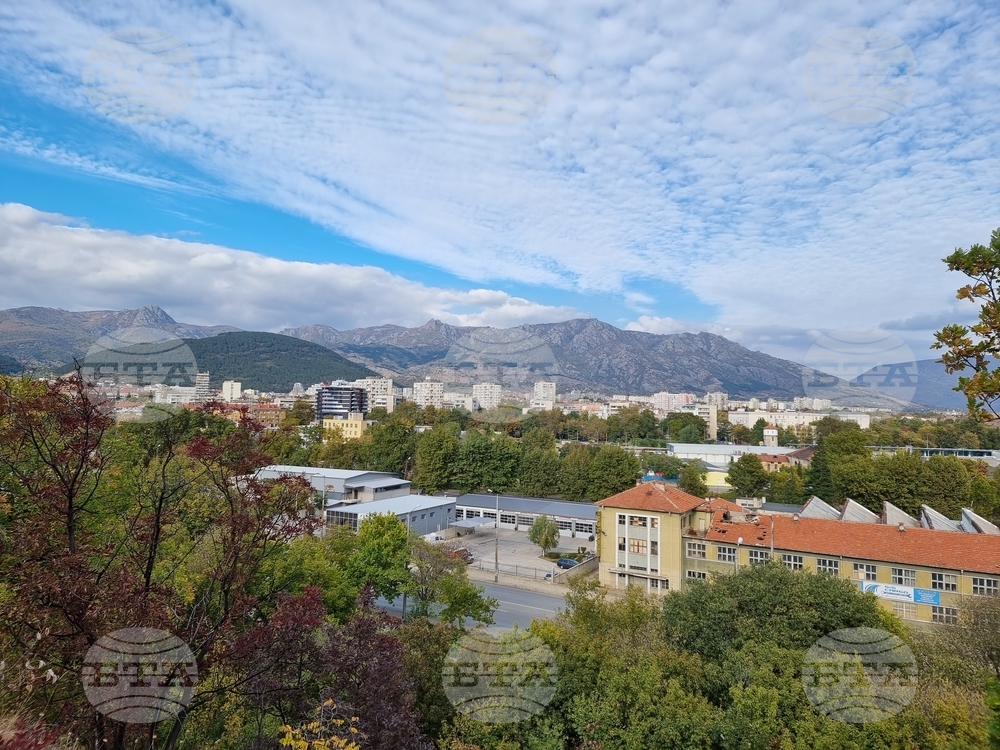
The Balkan Range overlooks the city of Sliven (Southeastern Bulgaria). The earliest settlement on the site was Thracian, known as Tuida. The ruins of an Early Byzantine and medieval fortress are located on Hisarlaka Hill on the northeastern outskirts of Sliven. Under the Romans it developed as a hub of trade and retained that role in the Middle Ages. During the Ottoman period, Sliven established itself as a centre of crafts and commerce. The Balkans’ first textile factory opened there in 1836. The Sinite Kamani Nature Park, Sliven, October 15, 2022 (BTA Photo/BTA correspondent Velina Vasileva)
news.anonymous.signup
news.anonymous.login
Giro d’Italia in Bulgaria, Stage 2: the Route Comes to Life in Images Captured on Camera by BTA
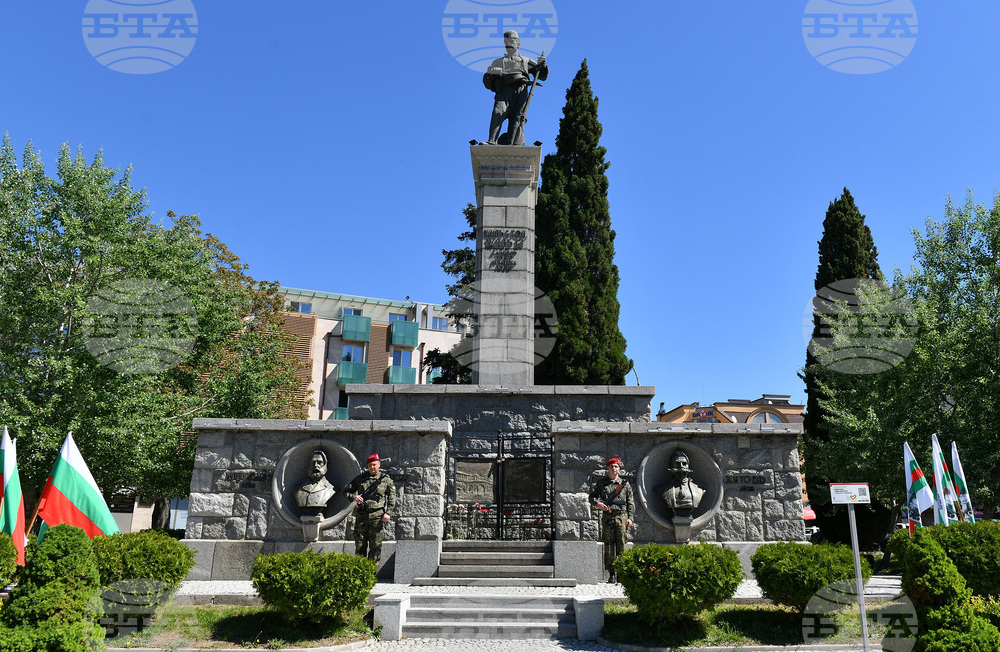
The Balkan Range overlooks the city of Sliven (Southeastern Bulgaria). The earliest settlement on the site was Thracian, known as Tuida. The ruins of an Early Byzantine and medieval fortress are located on Hisarlaka Hill on the northeastern outskirts of Sliven. Under the Romans it developed as a hub of trade and retained that role in the Middle Ages. During the Ottoman period, Sliven established itself as a centre of crafts and commerce. The Balkans’ first textile factory opened there in 1836. The Hadzhi Dimitar Monument, Sliven, May 10, 2021 (BTA Photo/Georgi Angelov)
news.anonymous.signup
news.anonymous.login
Giro d’Italia in Bulgaria, Stage 2: the Route Comes to Life in Images Captured on Camera by BTA
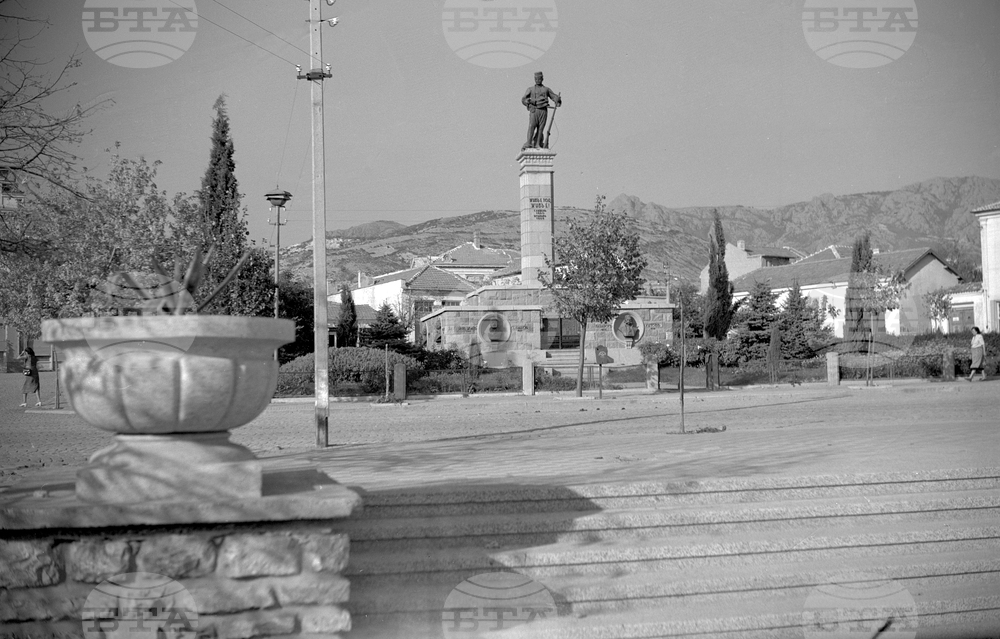
The Balkan Range overlooks the city of Sliven (Southeastern Bulgaria). The earliest settlement on the site was Thracian, known as Tuida. The ruins of an Early Byzantine and medieval fortress are located on Hisarlaka Hill on the northeastern outskirts of Sliven. Under the Romans it developed as a hub of trade and retained that role in the Middle Ages. During the Ottoman period, Sliven established itself as a centre of crafts and commerce. The Balkans’ first textile factory opened there in 1836. The Hadzhi Dimitar Monument, Sliven, September 28, 1953 (BTA Archive Photo/Simeon Nenov)
news.anonymous.signup
news.anonymous.login
Giro d’Italia in Bulgaria, Stage 2: the Route Comes to Life in Images Captured on Camera by BTA
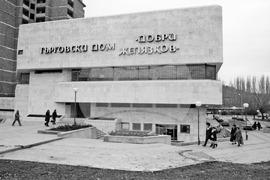
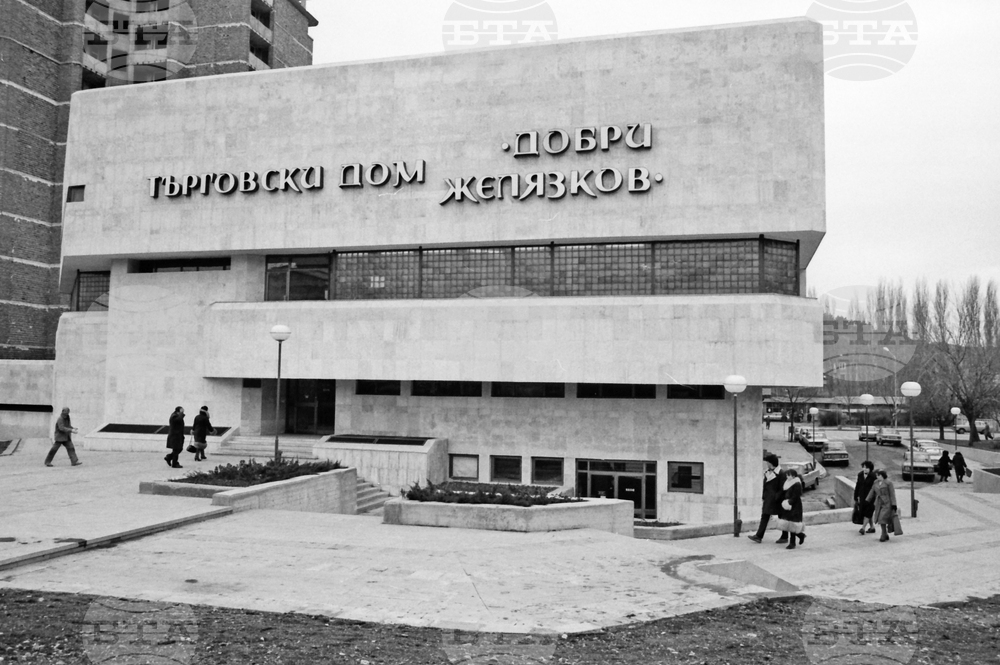
The Balkan Range overlooks the city of Sliven (Southeastern Bulgaria). The earliest settlement on the site was Thracian, known as Tuida. The ruins of an Early Byzantine and medieval fortress are located on Hisarlaka Hill on the northeastern outskirts of Sliven. Under the Romans it developed as a hub of trade and retained that role in the Middle Ages. During the Ottoman period, Sliven established itself as a centre of crafts and commerce. The Balkans’ first textile factory opened there in 1836. The Dobri Zhelyazkov Trade House, Sliven, February 4, 1985 (BTA Archive Photo/Stefan Tihov)
news.anonymous.signup
news.anonymous.login

Giro d’Italia in Bulgaria, Stage 2: the Route Comes to Life in Images Captured on Camera by BTA
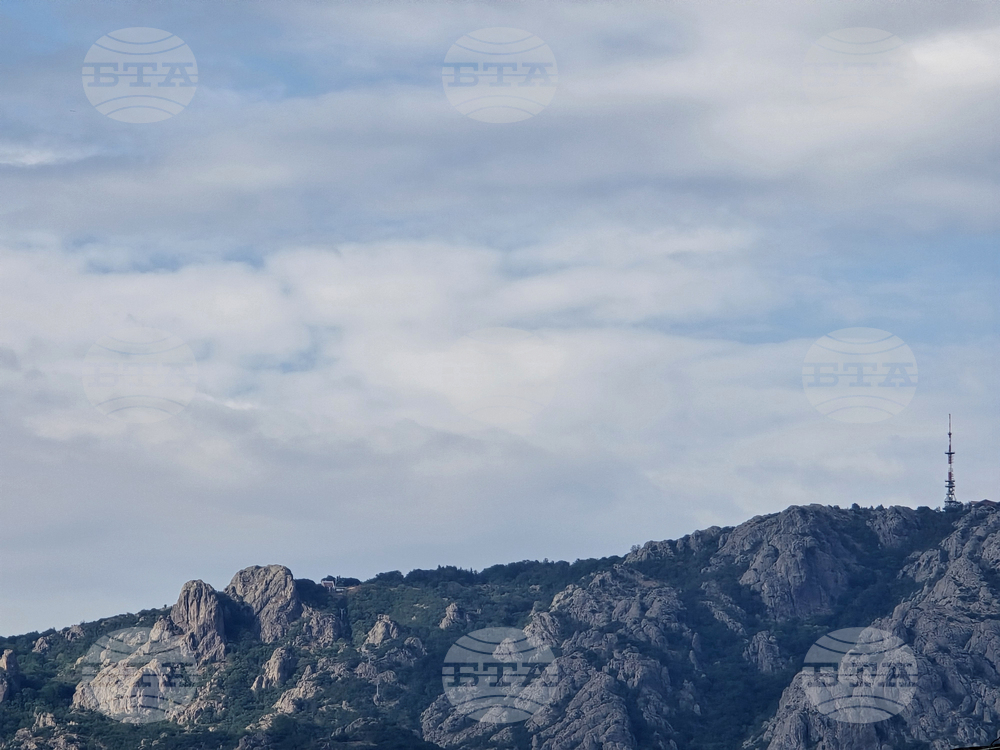
The Balkan Range overlooks the city of Sliven (Southeastern Bulgaria). The earliest settlement on the site was Thracian, known as Tuida. The ruins of an Early Byzantine and medieval fortress are located on Hisarlaka Hill on the northeastern outskirts of Sliven. Under the Romans it developed as a hub of trade and retained that role in the Middle Ages. During the Ottoman period, Sliven established itself as a centre of crafts and commerce. The Balkans’ first textile factory opened there in 1836. The Karandila locality near Sliven, Sliven, August 9, 2025 (BTA Photo/Sabina Stefanova)
news.anonymous.signup
news.anonymous.login
Giro d’Italia in Bulgaria, Stage 2: the Route Comes to Life in Images Captured on Camera by BTA
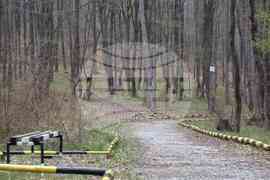
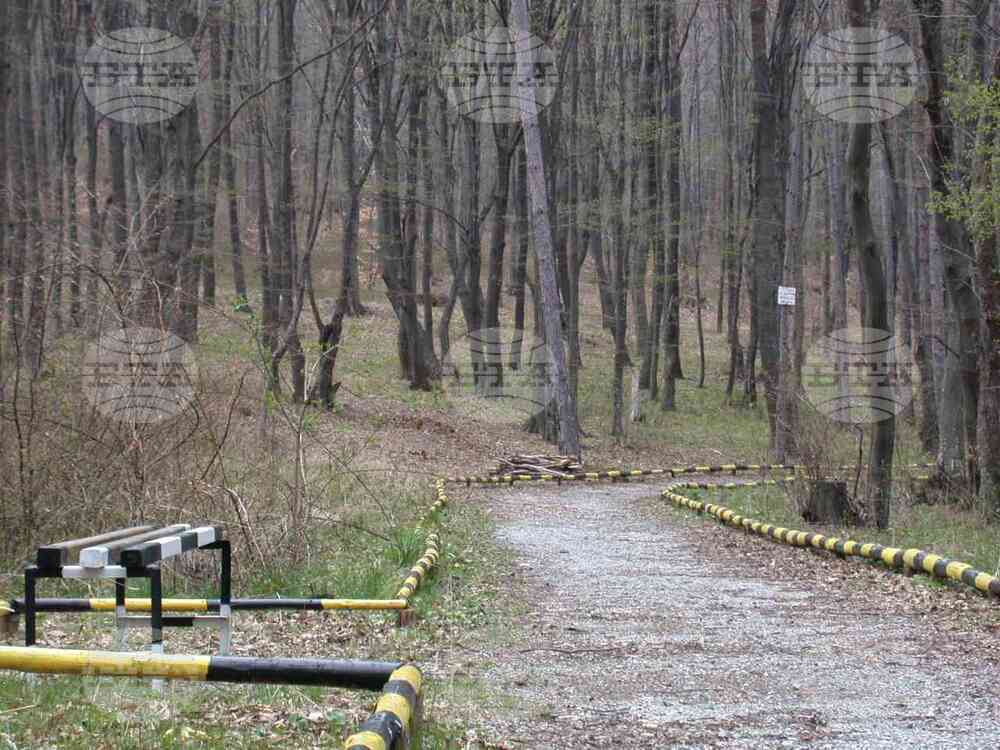
The Balkan Range overlooks the city of Sliven (Southeastern Bulgaria). The earliest settlement on the site was Thracian, known as Tuida. The ruins of an Early Byzantine and medieval fortress are located on Hisarlaka Hill on the northeastern outskirts of Sliven. Under the Romans it developed as a hub of trade and retained that role in the Middle Ages. During the Ottoman period, Sliven established itself as a centre of crafts and commerce. The Balkans’ first textile factory opened there in 1836. A 665-metre-long Health Trail, translating into reality an idea of the Sinite Kamani Nature Park and the Union of the Blind in Bulgaria, crosses a deciduous forest and comes complete with rest stops and Braille signage, Sliven, March 30, 2002 (BTA Photo/Yurii Igoshin)
news.anonymous.signup
news.anonymous.login
Giro d’Italia in Bulgaria, Stage 2: the Route Comes to Life in Images Captured on Camera by BTA
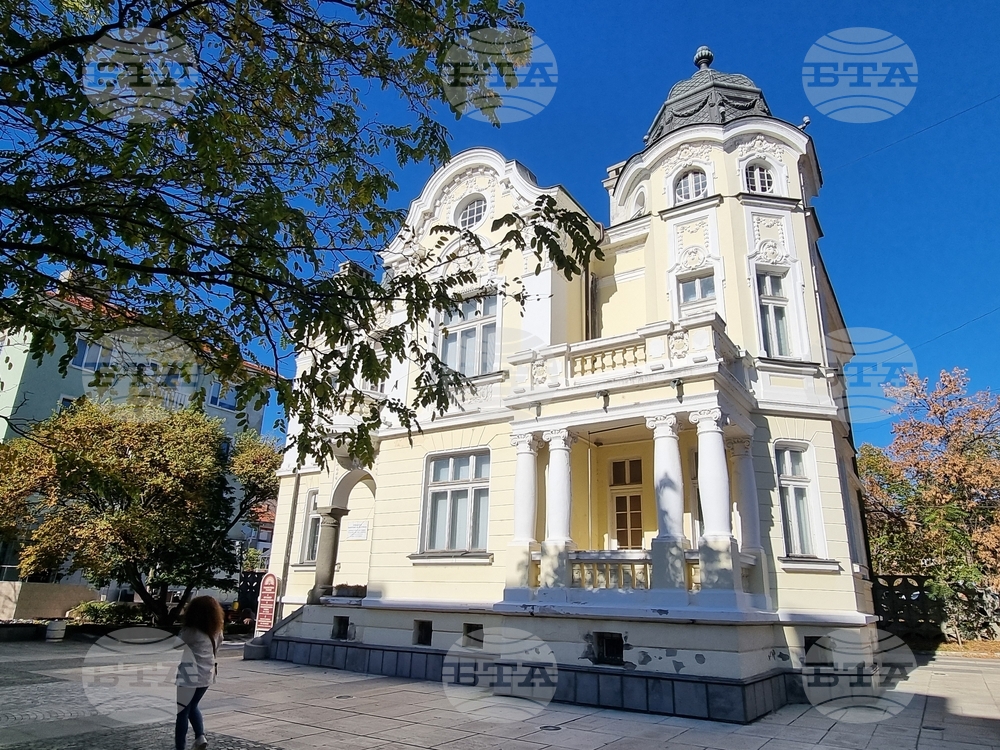
The Balkan Range overlooks the city of Sliven (Southeastern Bulgaria). The earliest settlement on the site was Thracian, known as Tuida. The ruins of an Early Byzantine and medieval fortress are located on Hisarlaka Hill on the northeastern outskirts of Sliven. Under the Romans it developed as a hub of trade and retained that role in the Middle Ages. During the Ottoman period, Sliven established itself as a centre of crafts and commerce. The Balkans’ first textile factory opened there in 1836. The Uzunov House accommodates the Dimitar Dobrovich Art Gallery, Sliven, November 5, 2025 (BTA Photo/Velina Vasileva)
news.anonymous.signup
news.anonymous.login
Giro d’Italia in Bulgaria, Stage 2: the Route Comes to Life in Images Captured on Camera by BTA
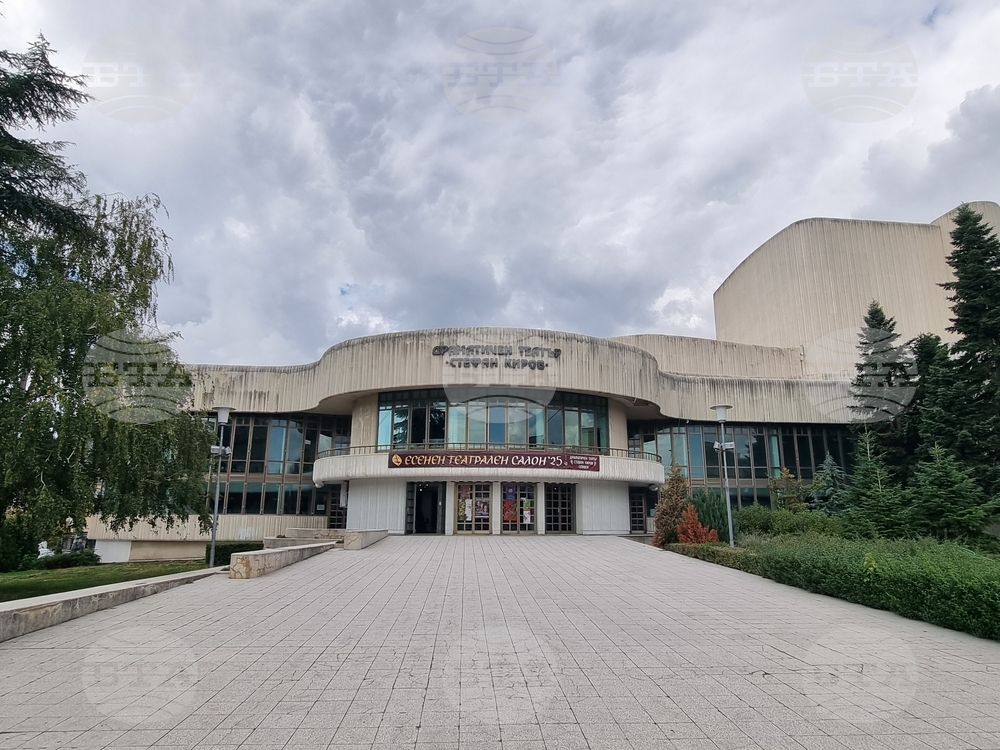
The Balkan Range overlooks the city of Sliven (Southeastern Bulgaria). The earliest settlement on the site was Thracian, known as Tuida. The ruins of an Early Byzantine and medieval fortress are located on Hisarlaka Hill on the northeastern outskirts of Sliven. Under the Romans it developed as a hub of trade and retained that role in the Middle Ages. During the Ottoman period, Sliven established itself as a centre of crafts and commerce. The Balkans’ first textile factory opened there in 1836. The Stefan Kirov Drama Theatre, Sliven, November 5, 2025 (BTA Photo/Velina Vasileva)
news.anonymous.signup
news.anonymous.login
Giro d’Italia in Bulgaria, Stage 2: the Route Comes to Life in Images Captured on Camera by BTA
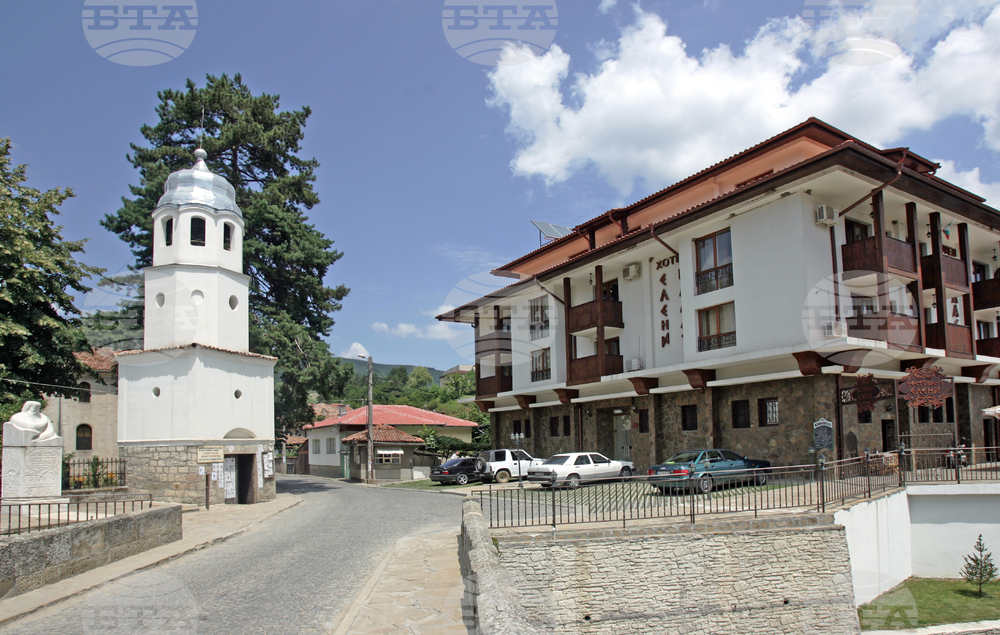
The town of Elena nestles in the Balkan Range in Veliko Tarnovo Region (North Central Bulgaria). The settlement emerged in the Middle Ages and developed into a centre of crafts and commerce. During the National Revival period, Elena established itself as a focal point of education and culture, where a number of Bulgarian Revival figures left their imprint. The town is known for its architectural heritage, including Revival-style houses and churches. Another local landmark is a clock tower built in the 19th century. A view of the town, Elena, July 3, 2009 (BTA Photo/Vladimir Shokov)
news.anonymous.signup
news.anonymous.login
Giro d’Italia in Bulgaria, Stage 2: the Route Comes to Life in Images Captured on Camera by BTA
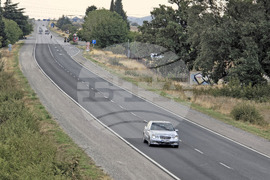
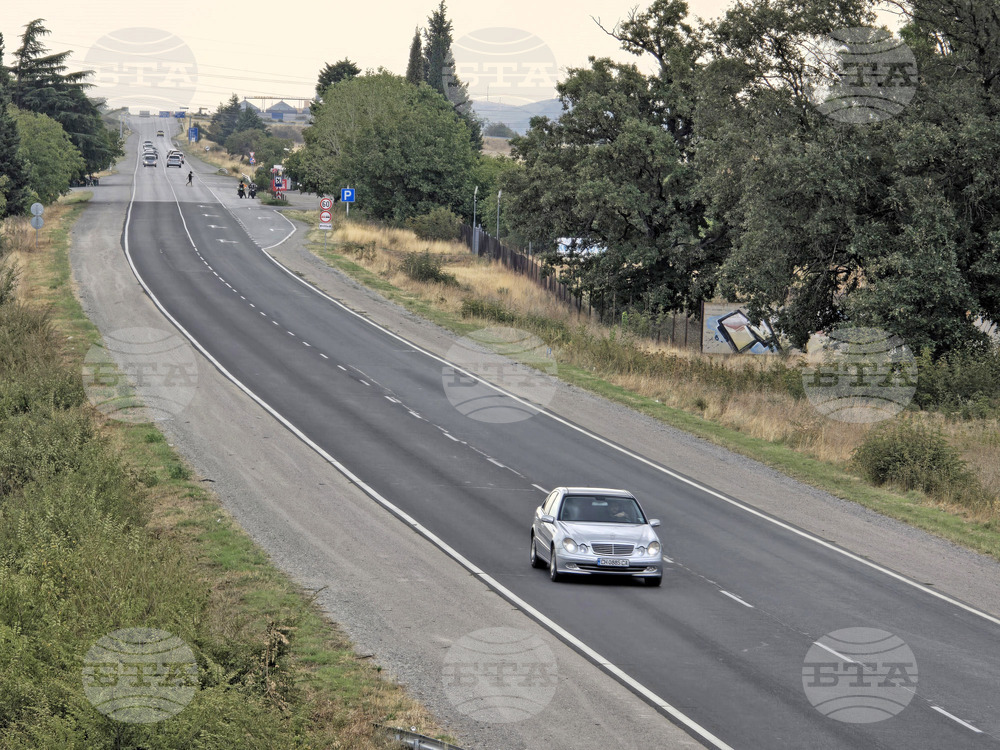
The Vratnik Pass in the Eastern Balkan Range links Sliven and Elena. At its highest point, the pass rises to 1,000 m above sea level. The infrastructure is part of Bulgaria’s first-class road network. Vratnik Pass, Sliven, January 22, 2026 (BTA Photo/BTA correspondent Sabina Stefanova)
news.anonymous.signup
news.anonymous.login
Giro d’Italia in Bulgaria, Stage 2: the Route Comes to Life in Images Captured on Camera by BTA
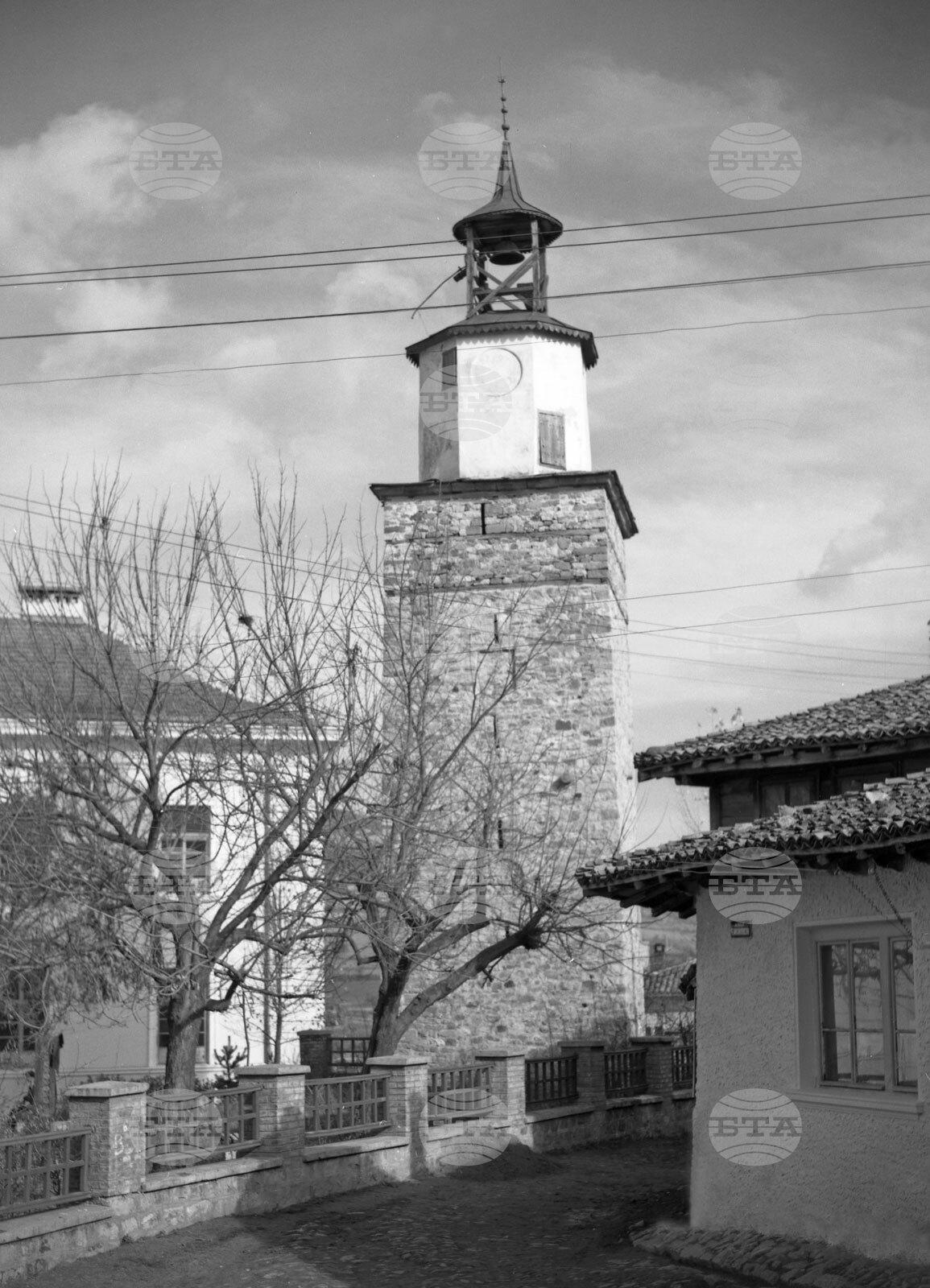
The town of Elena nestles in the Balkan Range in Veliko Tarnovo Region (North Central Bulgaria). The settlement emerged in the Middle Ages and developed into a centre of crafts and commerce. During the National Revival period, Elena established itself as a focal point of education and culture, where a number of Bulgarian Revival figures left their imprint. The town is known for its architectural heritage, including Revival-style houses and churches. Another local landmark is a clock tower built in the 19th century. Clock tower, built in 1812 by an unknown Elena craftsman and restored in 1987, Elena, November 16, 1963 (BTA Archive Photo/Simeon Nenov)
news.anonymous.signup
news.anonymous.login
Giro d’Italia in Bulgaria, Stage 2: the Route Comes to Life in Images Captured on Camera by BTA
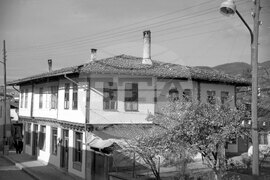
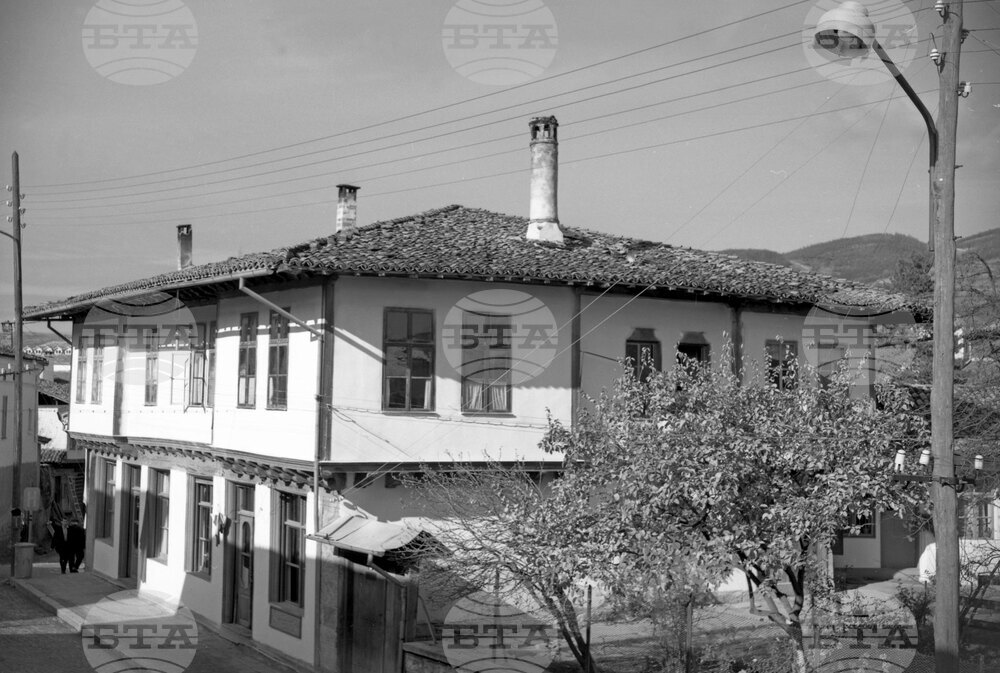
The town of Elena nestles in the Balkan Range in Veliko Tarnovo Region (North Central Bulgaria). The settlement emerged in the Middle Ages and developed into a centre of crafts and commerce. During the National Revival period, Elena established itself as a focal point of education and culture, where a number of Bulgarian Revival figures left their imprint. The town is known for its architectural heritage, including Revival-style houses and churches. Another local landmark is a clock tower built in the 19th century. A view of the town, Elena, November 16, 1963 (BTA Archive Photo/Simeon Nenov)
news.anonymous.signup
news.anonymous.login
Giro d’Italia in Bulgaria, Stage 2: the Route Comes to Life in Images Captured on Camera by BTA
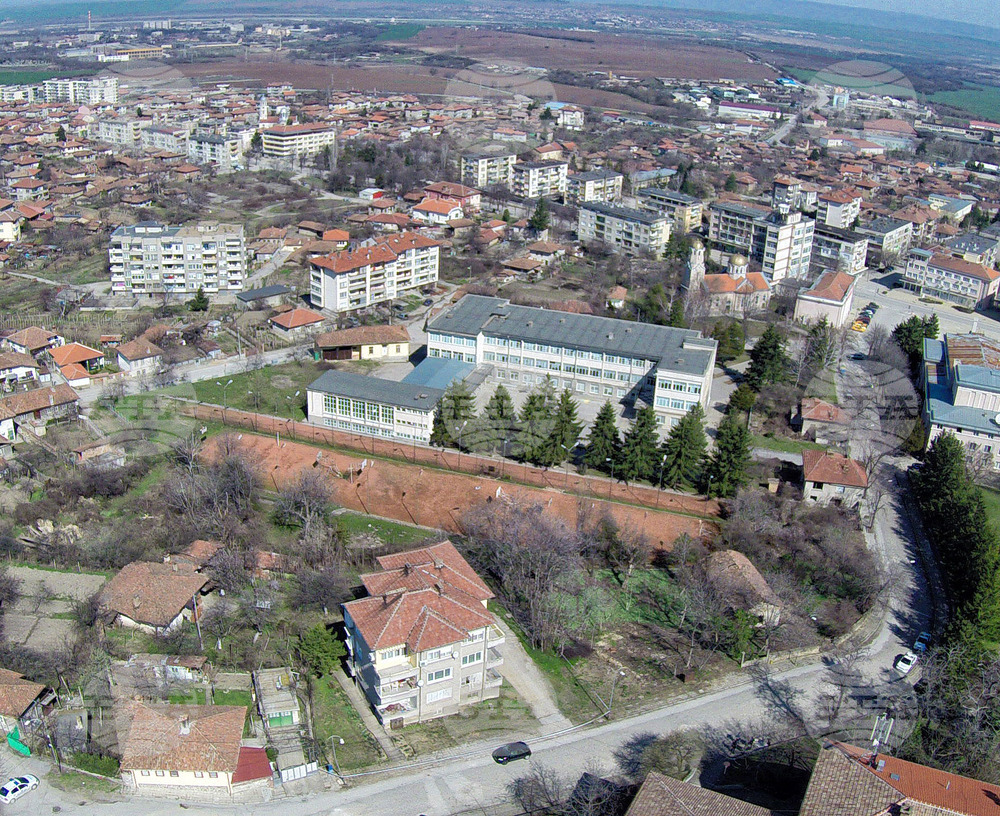
The town of Lyaskovets is located in the Fore-Balkan, in Veliko Tarnovo Region (North Central Bulgar8a), near Gorna Oryahovitsa and Veliko Tarnovo. Archaeological finds in the area show that humans first settled there in the Chalcolithic period (4800 – 4000 BCE). Several neighbourhoods merged to form the settlement in the 17th c., and it acquired town status in 1880. The town school, Lyaskovets, March 15, 2014 (BTA Photo/Valentin Rusanov)
news.anonymous.signup
news.anonymous.login
Giro d’Italia in Bulgaria, Stage 2: the Route Comes to Life in Images Captured on Camera by BTA
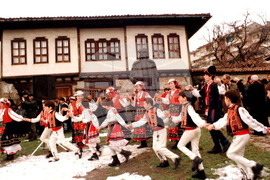
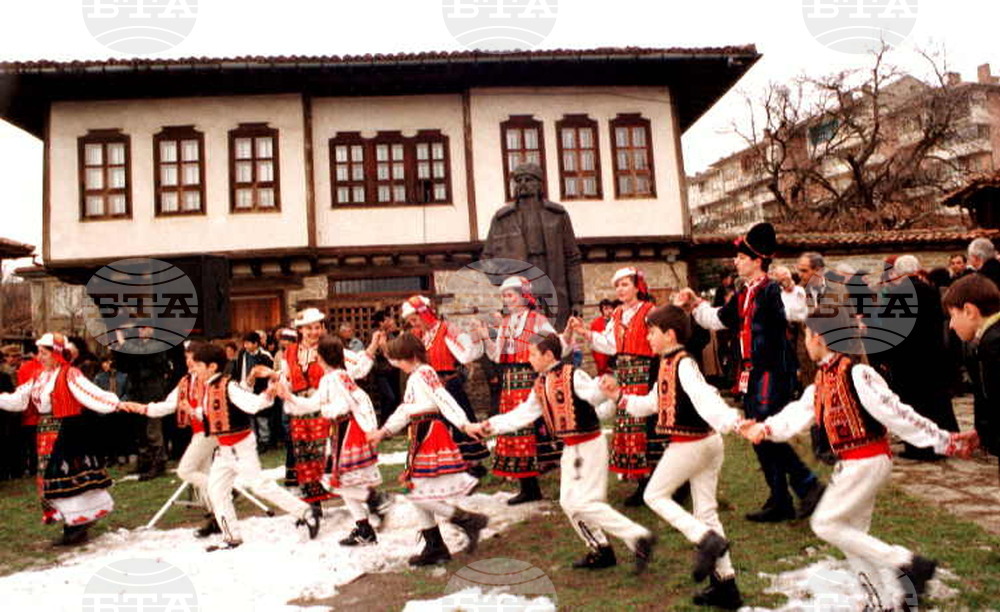
The town of Lyaskovets is located in the Fore-Balkan, in Veliko Tarnovo Region (North Central Bulgar8a), near Gorna Oryahovitsa and Veliko Tarnovo. Archaeological finds in the area show that humans first settled there in the Chalcolithic period (4800 – 4000 BCE). Several neighbourhoods merged to form the settlement in the 17th c., and it acquired town status in 1880. The town of Lyaskovets hosts the country’s only Museum of Gardening, Veliko Tarnovo, February 14, 2003 (BTA Photo/Nayden Naydenov)
news.anonymous.signup
news.anonymous.login
Giro d’Italia in Bulgaria, Stage 2: the Route Comes to Life in Images Captured on Camera by BTA
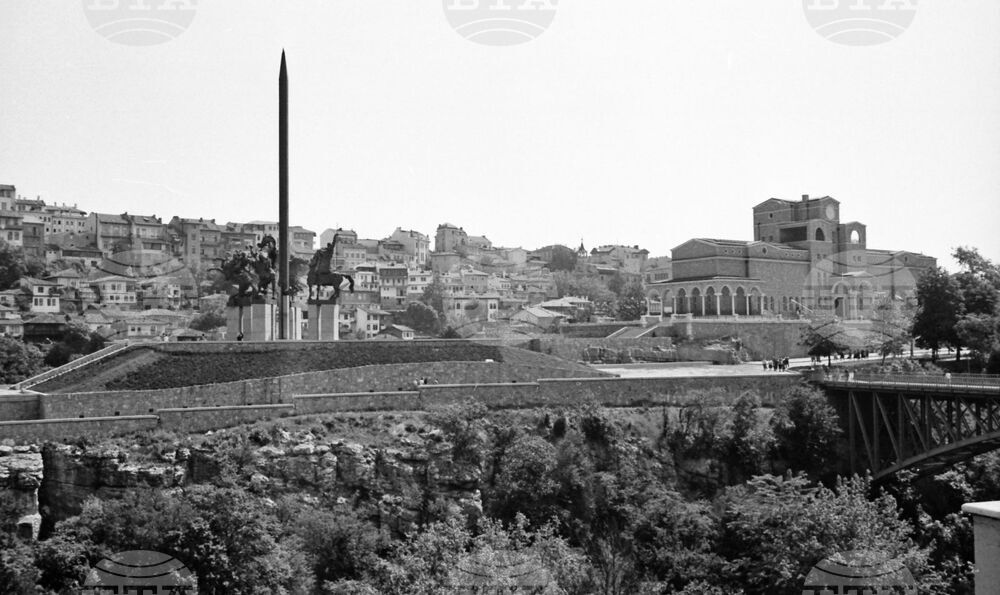
Veliko Tarnovo (then Tarnovgrad) was the capital of the Second Bulgarian Empire (1185-1396). It lies on the banks of the Yantra River, at the foot of the Balkan Range (North Central Bulgaria), on and around three hills: Tsarevets, Trapezitsa, and Sveta Gora. Prehistoric habitation in the area is evidenced by archaeological finds. After the city of Tarnovo was liberated in 1877, the Constituent Assembly (Bulgaria’s first parliament) met there in the building of the Turkish konak on February 10, 1879 and on April 16, 1879 adopted the country’s first basic law, which came to be known as the Tarnovo Constitution. The city was named Veliko Tarnovo in 1965. The newly unveiled Asen Dynasty Monument, Veliko Tarnovo, May 20, 1986 (BTA Archive Photo/Ruslan Donev)
news.anonymous.signup
news.anonymous.login
Giro d’Italia in Bulgaria, Stage 2: the Route Comes to Life in Images Captured on Camera by BTA
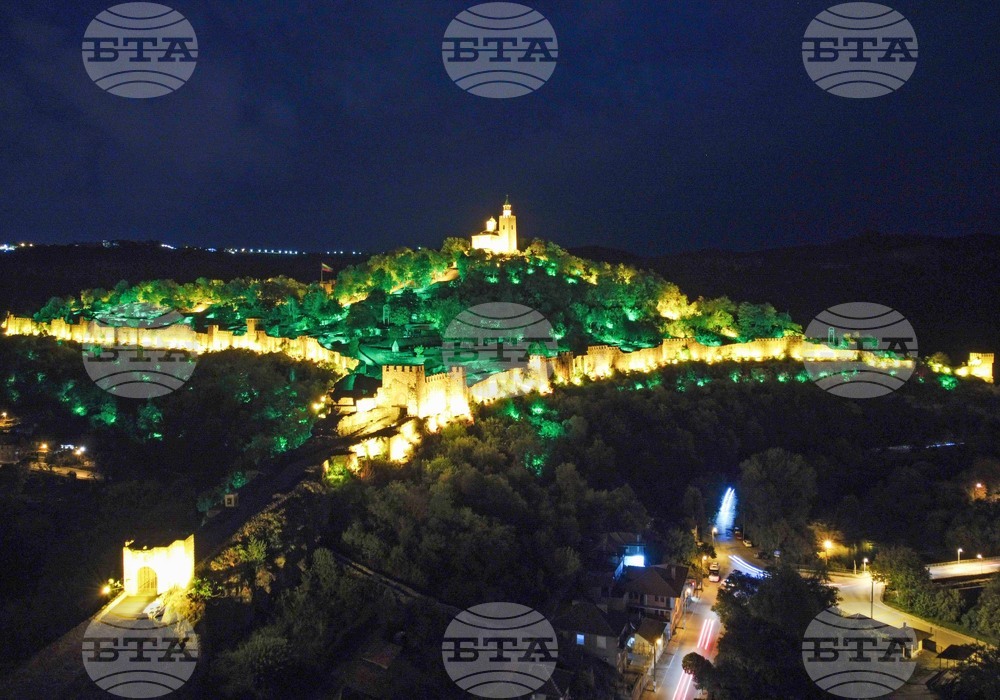
Veliko Tarnovo (then Tarnovgrad) was the capital of the Second Bulgarian Empire (1185-1396). It lies on the banks of the Yantra River, at the foot of the Balkan Range (North Central Bulgaria), on and around three hills: Tsarevets, Trapezitsa, and Sveta Gora. Prehistoric habitation in the area is evidenced by archaeological finds. After the city of Tarnovo was liberated in 1877, the Constituent Assembly (Bulgaria’s first parliament) met there in the building of the Turkish konak on February 10, 1879 and on April 16, 1879 adopted the country’s first basic law, which came to be known as the Tarnovo Constitution. The city was named Veliko Tarnovo in 1965. A view of the historic Tsarevets Castle, Veliko Tarnovo, March 4, 2008 (BTA Photo/Daniel Yordanov)
news.anonymous.signup
news.anonymous.login
Giro d’Italia in Bulgaria, Stage 2: the Route Comes to Life in Images Captured on Camera by BTA
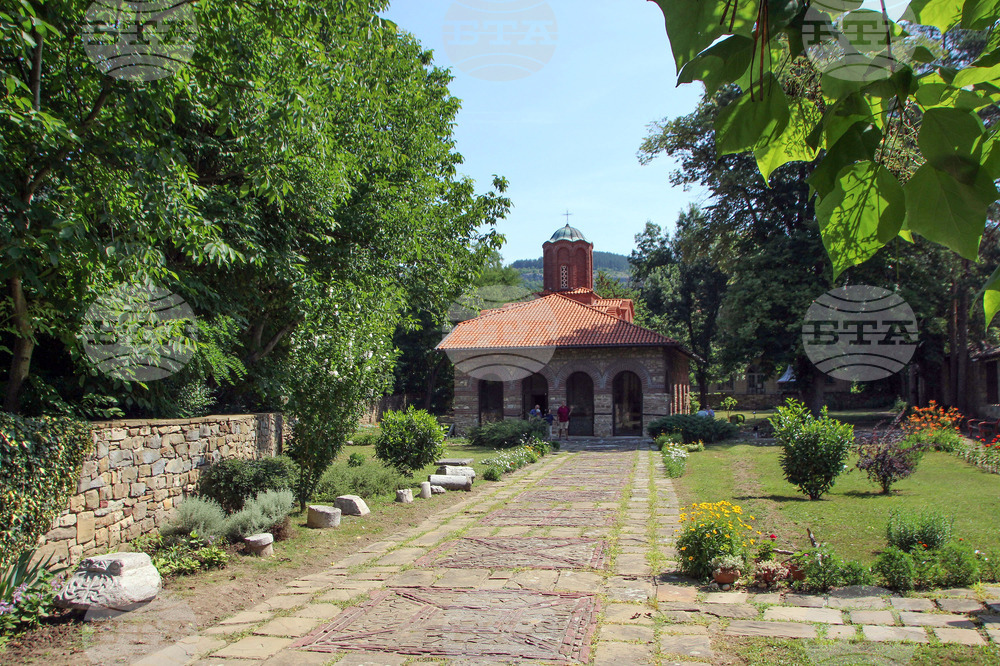
Veliko Tarnovo (then Tarnovgrad) was the capital of the Second Bulgarian Empire (1185-1396). It lies on the banks of the Yantra River, at the foot of the Balkan Range (North Central Bulgaria), on and around three hills: Tsarevets, Trapezitsa, and Sveta Gora. Prehistoric habitation in the area is evidenced by archaeological finds. After the city of Tarnovo was liberated in 1877, the Constituent Assembly (Bulgaria’s first parliament) met there in the building of the Turkish konak on February 10, 1879 and on April 16, 1879 adopted the country’s first basic law, which came to be known as the Tarnovo Constitution. The city was named Veliko Tarnovo in 1965. The first church in the Bulgarian lands, dedicated to the apostles Peter and Paul, was built in Tarnovo between 1202 and 1204. In 1973 the church was restored after a design by architect Boyan Kozupov, Veliko Tarnovo, June 28, 2018 (BTA Photo/Daniel Yordanov)
news.anonymous.signup
news.anonymous.login
Giro d’Italia in Bulgaria, Stage 2: the Route Comes to Life in Images Captured on Camera by BTA
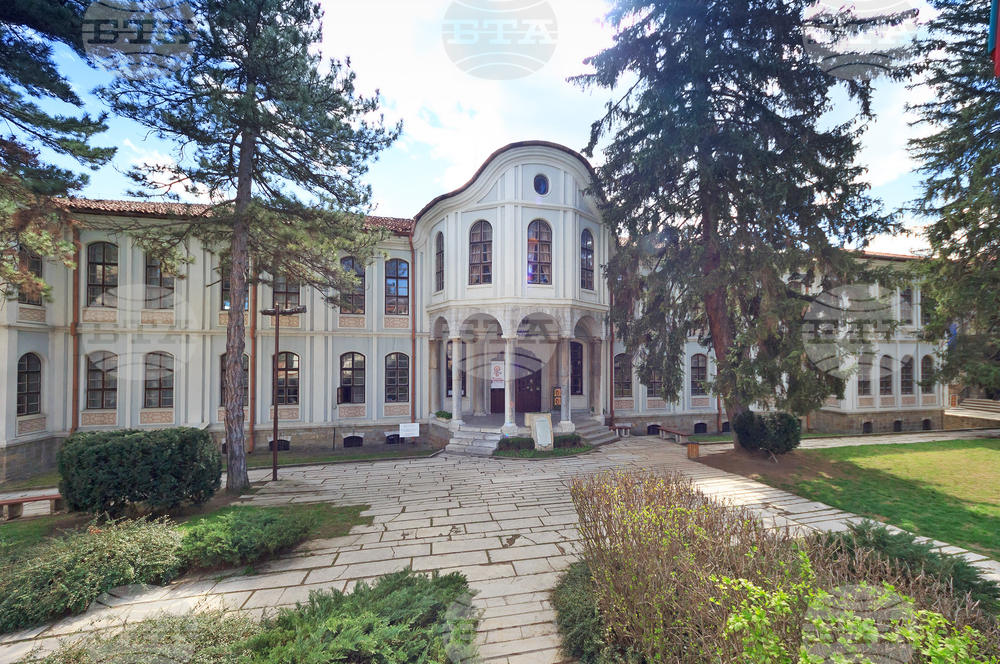
Veliko Tarnovo (then Tarnovgrad) was the capital of the Second Bulgarian Empire (1185-1396). It lies on the banks of the Yantra River, at the foot of the Balkan Range (North Central Bulgaria), on and around three hills: Tsarevets, Trapezitsa, and Sveta Gora. Prehistoric habitation in the area is evidenced by archaeological finds. After the city of Tarnovo was liberated in 1877, the Constituent Assembly (Bulgaria’s first parliament) met there in the building of the Turkish konak on February 10, 1879 and on April 16, 1879 adopted the country’s first basic law, which came to be known as the Tarnovo Constitution. The city was named Veliko Tarnovo in 1965. The building where Bulgaria’s first Constitution was adopted in 1879 houses the Museum of the National Revival and the Constituent Assembly, Veliko Tarnovo, April 14, 2016 (BTA Photo/Valentin Rusanov)
news.anonymous.signup
news.anonymous.login
Giro d’Italia in Bulgaria, Stage 2: the Route Comes to Life in Images Captured on Camera by BTA
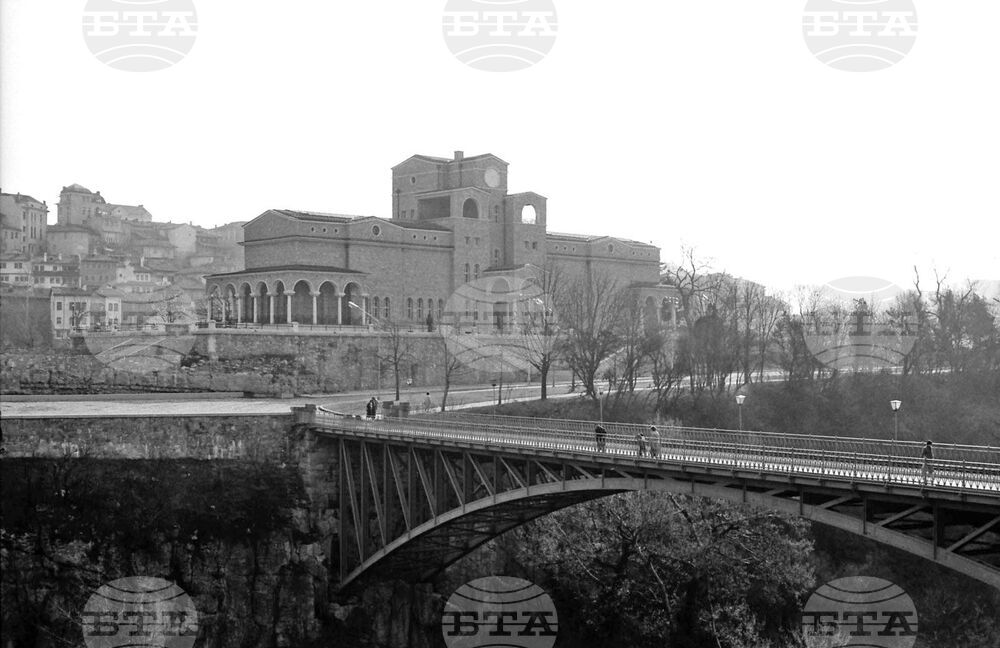
Veliko Tarnovo (then Tarnovgrad) was the capital of the Second Bulgarian Empire (1185-1396). It lies on the banks of the Yantra River, at the foot of the Balkan Range (North Central Bulgaria), on and around three hills: Tsarevets, Trapezitsa, and Sveta Gora. Prehistoric habitation in the area is evidenced by archaeological finds. After the city of Tarnovo was liberated in 1877, the Constituent Assembly (Bulgaria’s first parliament) met there in the building of the Turkish konak on February 10, 1879 and on April 16, 1879 adopted the country’s first basic law, which came to be known as the Tarnovo Constitution. The city was named Veliko Tarnovo in 1965. A panoramic view of the Stambolov Bridge and the Boris Denev Art Gallery, Veliko Tarnovo, April 6, 1987 (BTA Archive Photo/Oleg Popov)
news.anonymous.signup
news.anonymous.login
Giro d’Italia in Bulgaria, Stage 2: the Route Comes to Life in Images Captured on Camera by BTA
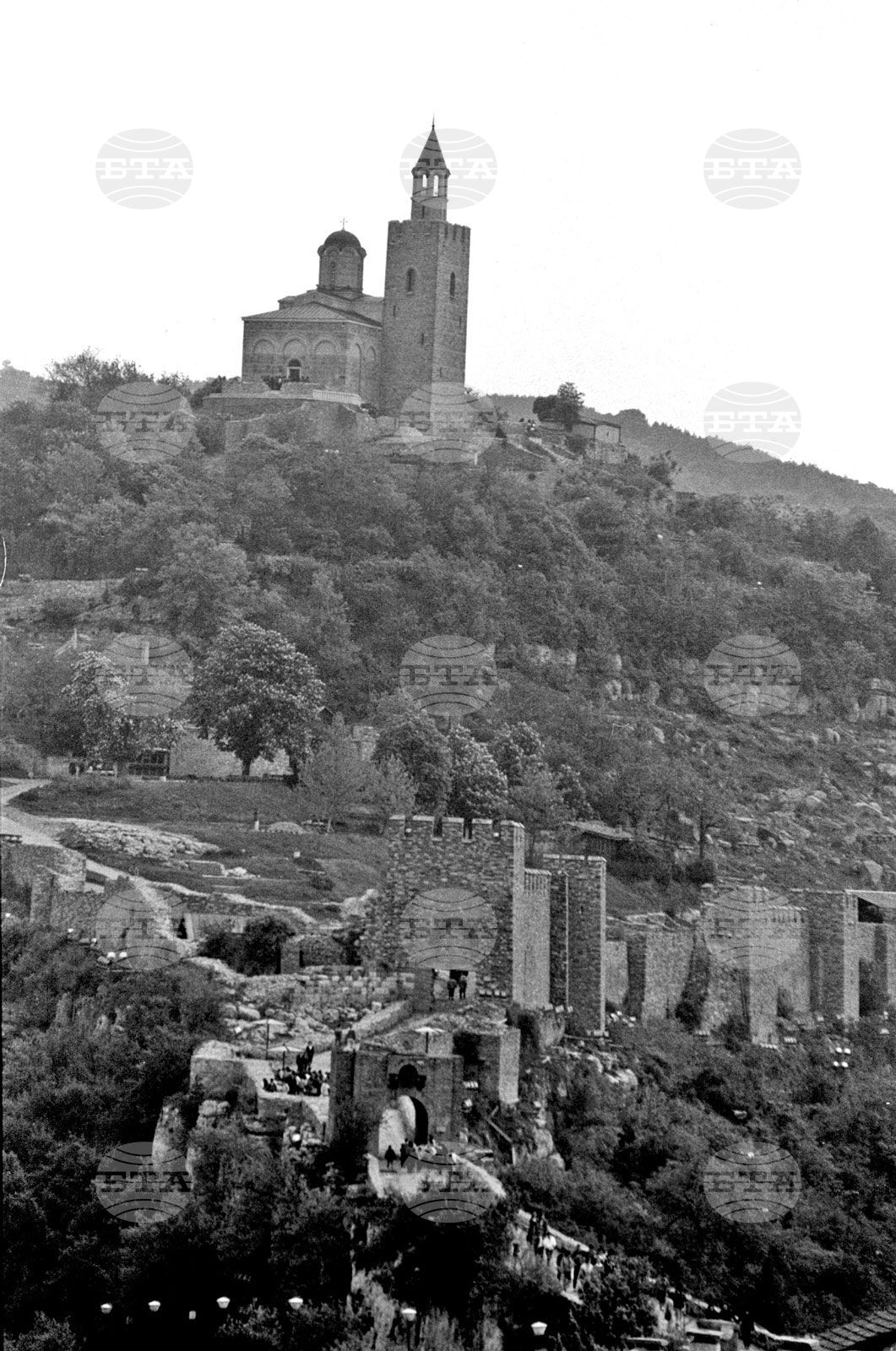
Veliko Tarnovo (then Tarnovgrad) was the capital of the Second Bulgarian Empire (1185-1396). It lies on the banks of the Yantra River, at the foot of the Balkan Range (North Central Bulgaria), on and around three hills: Tsarevets, Trapezitsa, and Sveta Gora. Prehistoric habitation in the area is evidenced by archaeological finds. After the city of Tarnovo was liberated in 1877, the Constituent Assembly (Bulgaria’s first parliament) met there in the building of the Turkish konak on February 10, 1879 and on April 16, 1879 adopted the country’s first basic law, which came to be known as the Tarnovo Constitution. The city was named Veliko Tarnovo in 1965. A view from the Tsarevets Hill, Veliko Tarnovo, April 28, 1990 (BTA Archive Photo/Dimitar Kolchakov)
news.anonymous.signup
news.anonymous.login
Giro d’Italia in Bulgaria, Stage 2: the Route Comes to Life in Images Captured on Camera by BTA
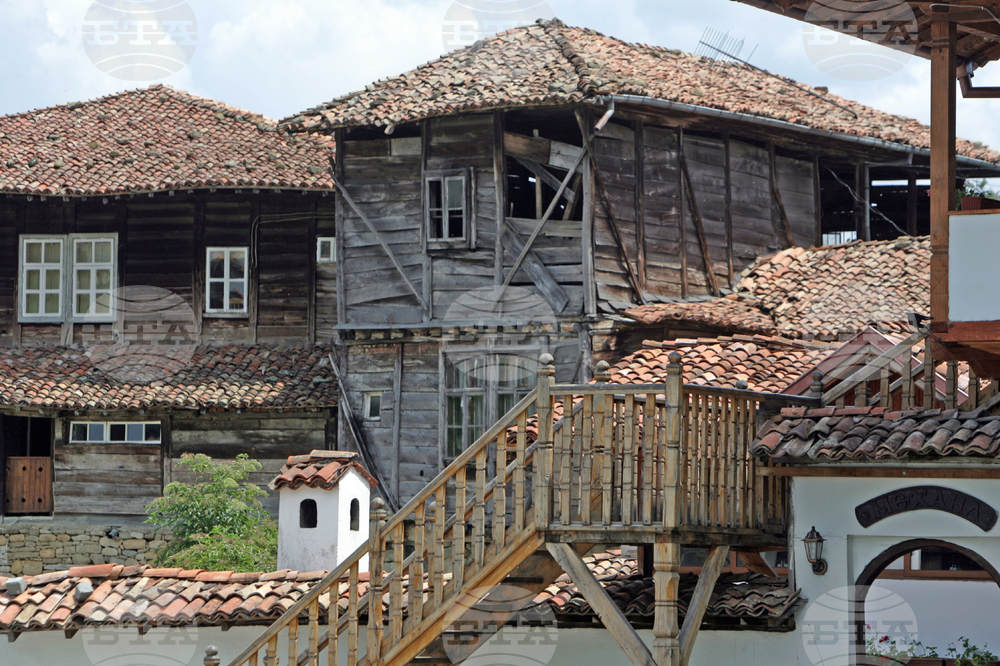
The town of Elena nestles in the Balkan Range in Veliko Tarnovo Region (North Central Bulgaria). The settlement emerged in the Middle Ages and developed into a centre of crafts and commerce. During the National Revival period, Elena established itself as a focal point of education and culture, where a number of Bulgarian Revival figures left their imprint. The town is known for its architectural heritage, including Revival-style houses and churches. Another local landmark is a clock tower built in the 19th century. Old houses in the town, Elena, July 3, 2009 (BTA Photo/Vladimir Shokov)
news.anonymous.signup
news.anonymous.login
Giro d’Italia in Bulgaria, Stage 2: the Route Comes to Life in Images Captured on Camera by BTA
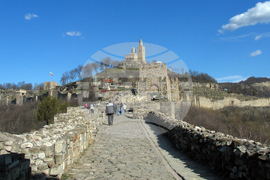
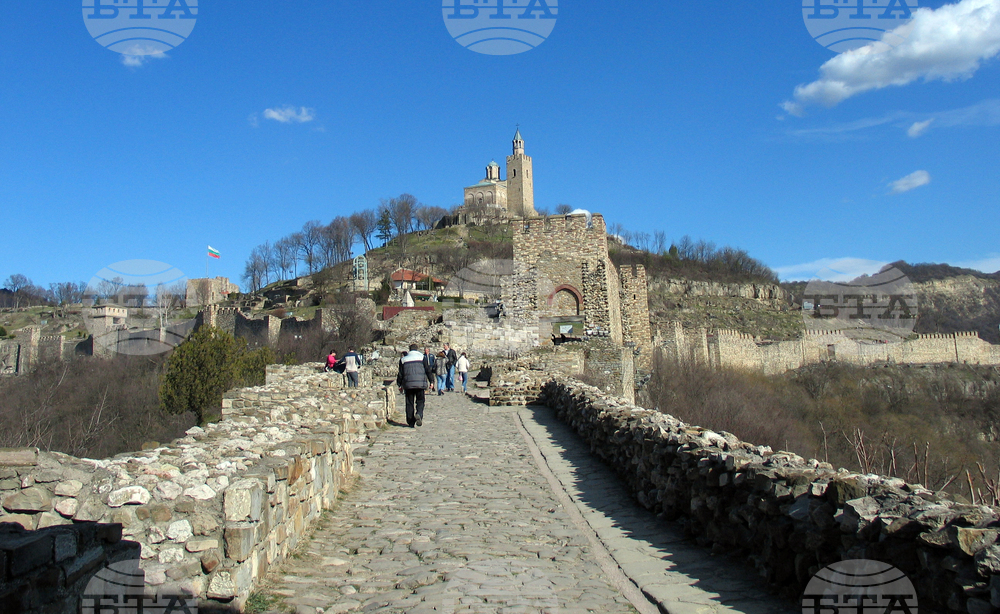
Veliko Tarnovo (then Tarnovgrad) was the capital of the Second Bulgarian Empire (1185-1396). It lies on the banks of the Yantra River, at the foot of the Balkan Range (North Central Bulgaria), on and around three hills: Tsarevets, Trapezitsa, and Sveta Gora. Prehistoric habitation in the area is evidenced by archaeological finds. After the city of Tarnovo was liberated in 1877, the Constituent Assembly (Bulgaria’s first parliament) met there in the building of the Turkish konak on February 10, 1879 and on April 16, 1879 adopted the country’s first basic law, which came to be known as the Tarnovo Constitution. The city was named Veliko Tarnovo in 1965. A view of the historic Tsarevets Castle, Veliko Tarnovo, March 4, 2008 (BTA Photo/Lidia Grozdeva)
news.anonymous.signup
news.anonymous.login
Giro d’Italia in Bulgaria, Stage 2: the Route Comes to Life in Images Captured on Camera by BTA
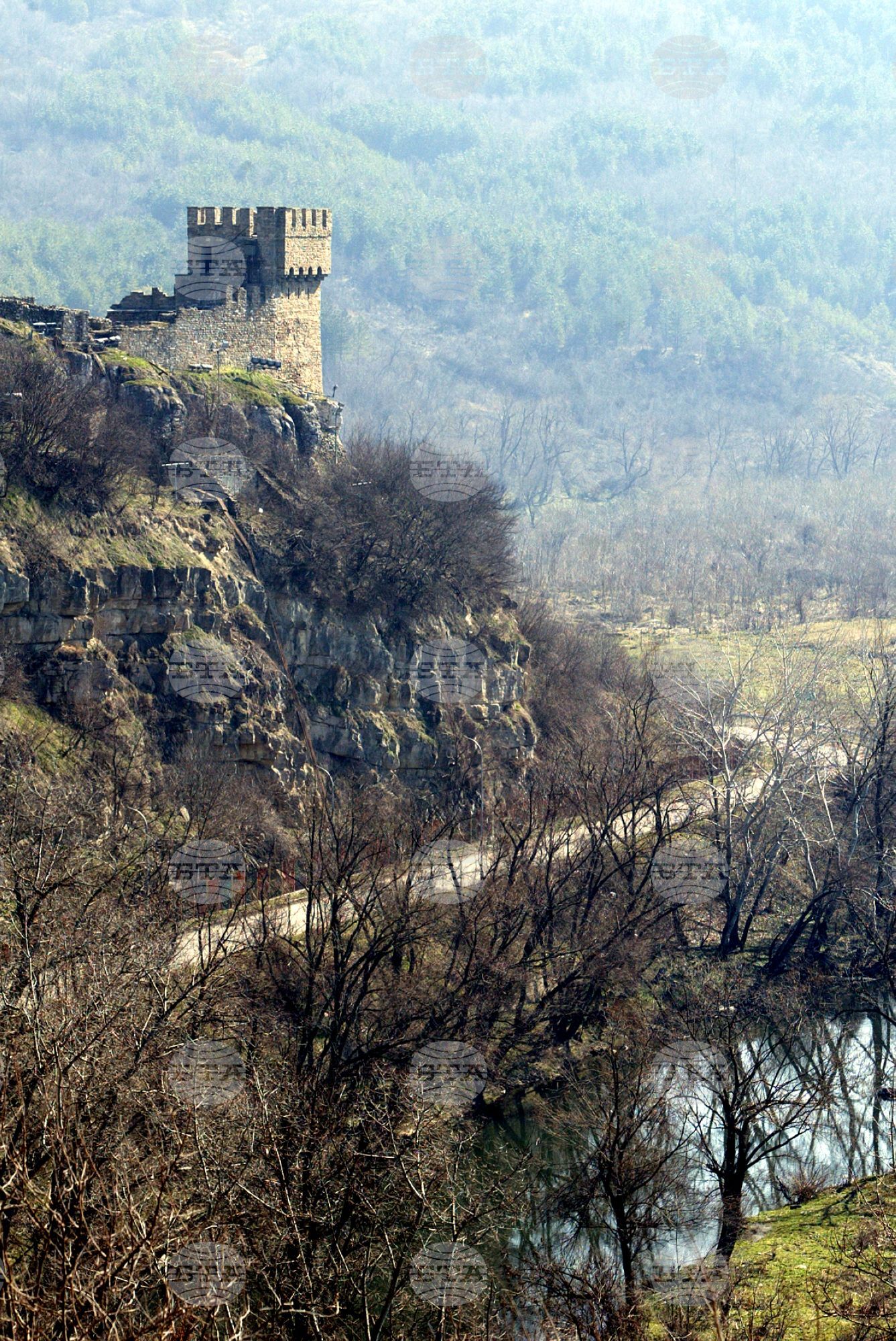
Veliko Tarnovo (then Tarnovgrad) was the capital of the Second Bulgarian Empire (1185-1396). It lies on the banks of the Yantra River, at the foot of the Balkan Range (North Central Bulgaria), on and around three hills: Tsarevets, Trapezitsa, and Sveta Gora. Prehistoric habitation in the area is evidenced by archaeological finds. After the city of Tarnovo was liberated in 1877, the Constituent Assembly (Bulgaria’s first parliament) met there in the building of the Turkish konak on February 10, 1879 and on April 16, 1879 adopted the country’s first basic law, which came to be known as the Tarnovo Constitution. The city was named Veliko Tarnovo in 1965. Baldwin’s Tower, Veliko Tarnovo, March 7, 2004 (BTA Photo/Tihomir Penov)
news.anonymous.signup
news.anonymous.login
Giro d’Italia in Bulgaria, Stage 2: the Route Comes to Life in Images Captured on Camera by BTA
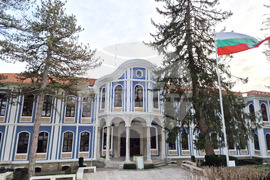
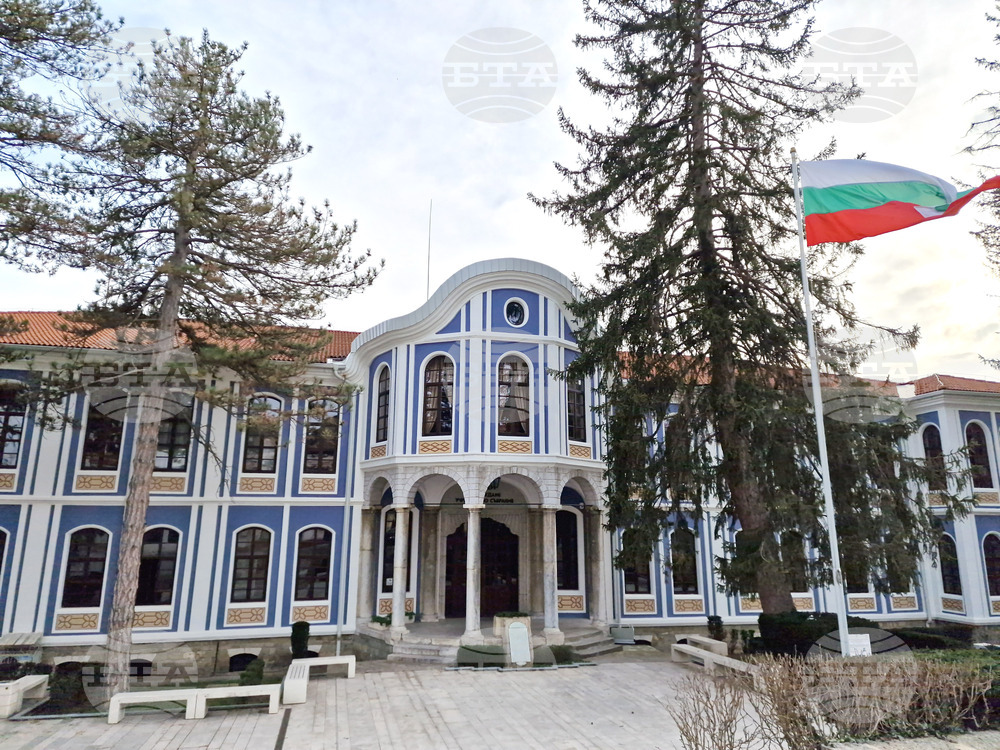
Veliko Tarnovo (then Tarnovgrad) was the capital of the Second Bulgarian Empire (1185-1396). It lies on the banks of the Yantra River, at the foot of the Balkan Range (North Central Bulgaria), on and around three hills: Tsarevets, Trapezitsa, and Sveta Gora. Prehistoric habitation in the area is evidenced by archaeological finds. After the city of Tarnovo was liberated in 1877, the Constituent Assembly (Bulgaria’s first parliament) met there in the building of the Turkish konak on February 10, 1879 and on April 16, 1879 adopted the country’s first basic law, which came to be known as the Tarnovo Constitution. The city was named Veliko Tarnovo in 1965. The Museum of the National Revival and the Constituent Assembly in Veliko Tarnovo, Veliko Tarnovo, March 3, 2025 (BTA Photo/BTA correspondent Nikolay Venkov)
news.anonymous.signup
news.anonymous.login
Giro d’Italia in Bulgaria, Stage 2: the Route Comes to Life in Images Captured on Camera by BTA
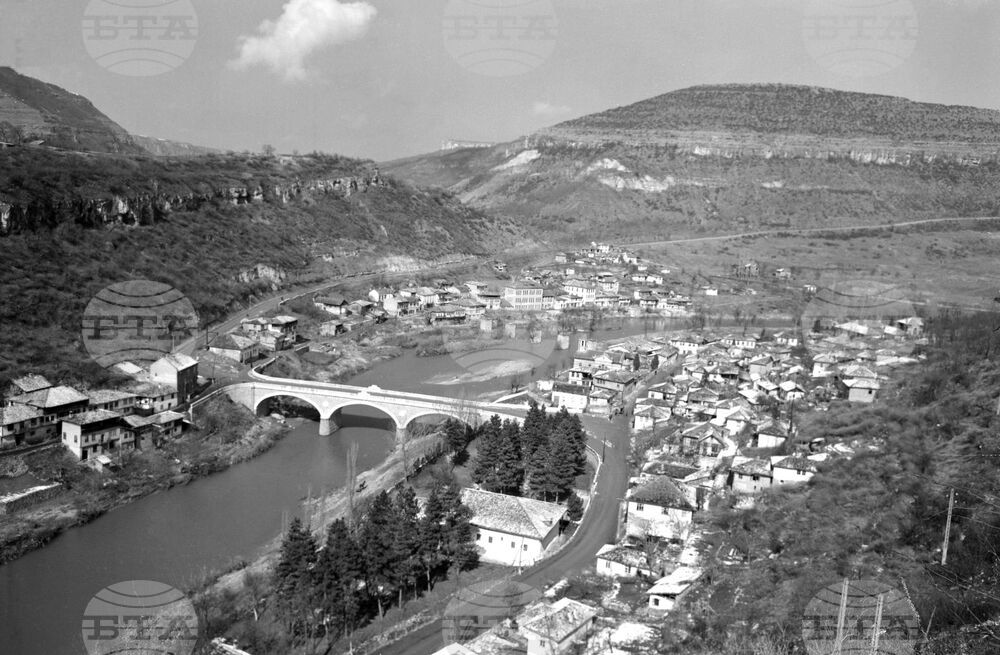
Veliko Tarnovo (then Tarnovgrad) was the capital of the Second Bulgarian Empire (1185-1396). It lies on the banks of the Yantra River, at the foot of the Balkan Range (North Central Bulgaria), on and around three hills: Tsarevets, Trapezitsa, and Sveta Gora. Prehistoric habitation in the area is evidenced by archaeological finds. After the city of Tarnovo was liberated in 1877, the Constituent Assembly (Bulgaria’s first parliament) met there in the building of the Turkish konak on February 10, 1879 and on April 16, 1879 adopted the country’s first basic law, which came to be known as the Tarnovo Constitution. The city was named Veliko Tarnovo in 1965. Asen Quarter, Veliko Tarnovo, March 12, 1956 (BTA Archive Photo/Simeon Nenov)
news.anonymous.signup
news.anonymous.login
Giro d’Italia in Bulgaria, Stage 2: the Route Comes to Life in Images Captured on Camera by BTA
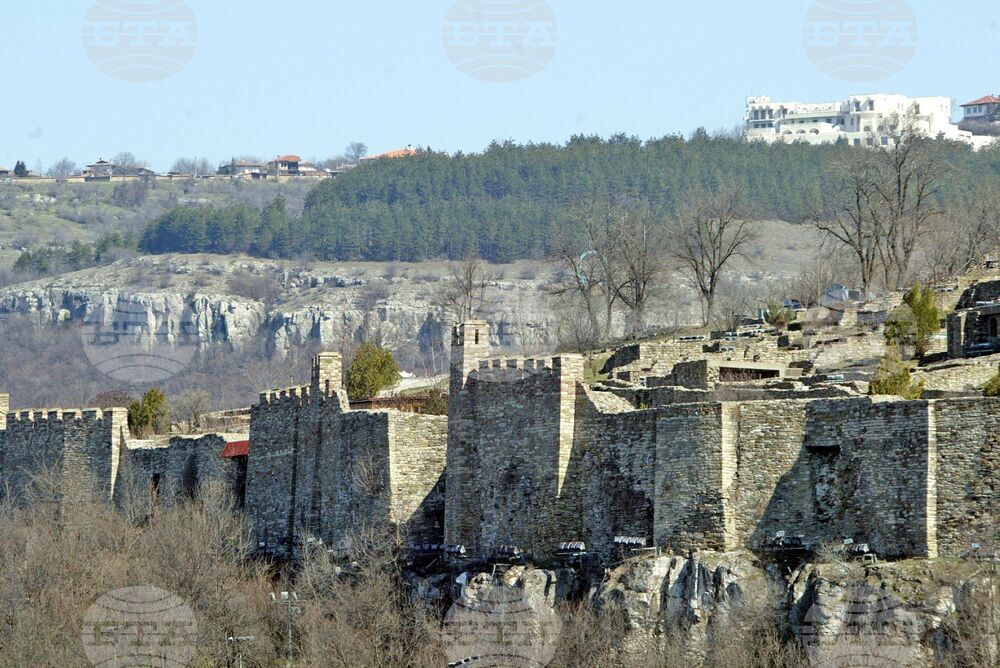
Veliko Tarnovo (then Tarnovgrad) was the capital of the Second Bulgarian Empire (1185-1396). It lies on the banks of the Yantra River, at the foot of the Balkan Range (North Central Bulgaria), on and around three hills: Tsarevets, Trapezitsa, and Sveta Gora. Prehistoric habitation in the area is evidenced by archaeological finds. After the city of Tarnovo was liberated in 1877, the Constituent Assembly (Bulgaria’s first parliament) met there in the building of the Turkish konak on February 10, 1879 and on April 16, 1879 adopted the country’s first basic law, which came to be known as the Tarnovo Constitution. The city was named Veliko Tarnovo in 1965. A view of the Tsarevets Citadel, Veliko Tarnovo, March 7, 2004 (BTA Photo/Tihomir Penov)
news.anonymous.signup
news.anonymous.login
Giro d’Italia in Bulgaria, Stage 2: the Route Comes to Life in Images Captured on Camera by BTA
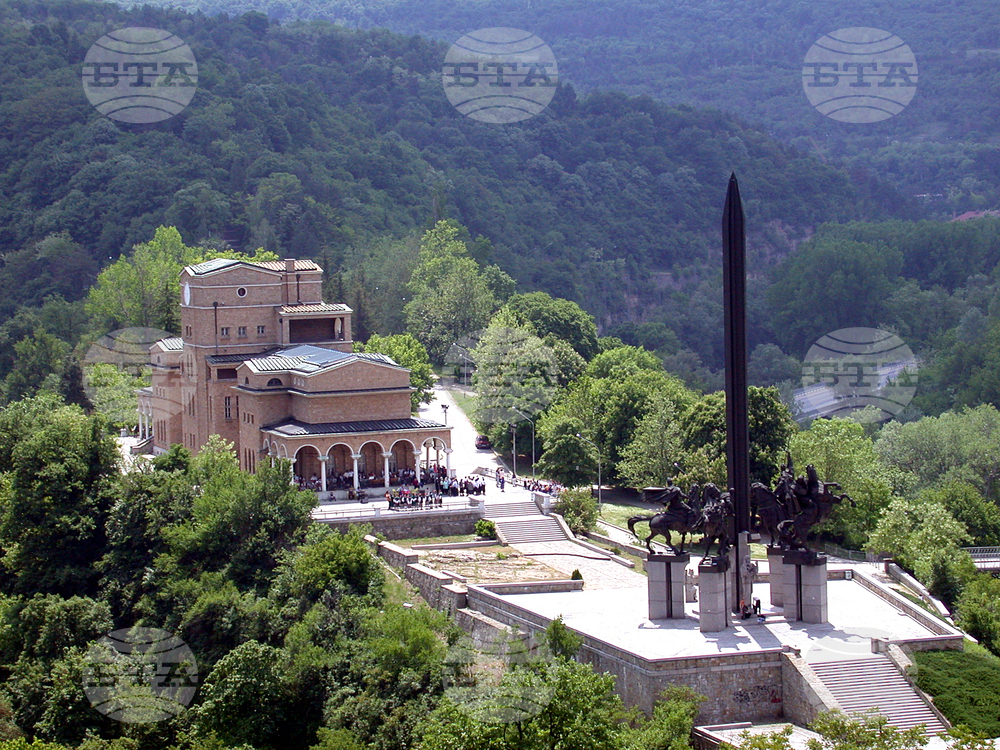
Veliko Tarnovo (then Tarnovgrad) was the capital of the Second Bulgarian Empire (1185-1396). It lies on the banks of the Yantra River, at the foot of the Balkan Range (North Central Bulgaria), on and around three hills: Tsarevets, Trapezitsa, and Sveta Gora. Prehistoric habitation in the area is evidenced by archaeological finds. After the city of Tarnovo was liberated in 1877, the Constituent Assembly (Bulgaria’s first parliament) met there in the building of the Turkish konak on February 10, 1879 and on April 16, 1879 adopted the country’s first basic law, which came to be known as the Tarnovo Constitution. The city was named Veliko Tarnovo in 1965. The Asen Dynasty Monument, Veliko Tarnovo, May 19, 2002 (BTA Photo/Naiden Naidenov)
news.anonymous.signup
news.anonymous.login
Giro d’Italia in Bulgaria, Stage 2: the Route Comes to Life in Images Captured on Camera by BTA
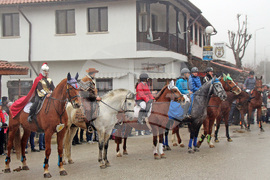
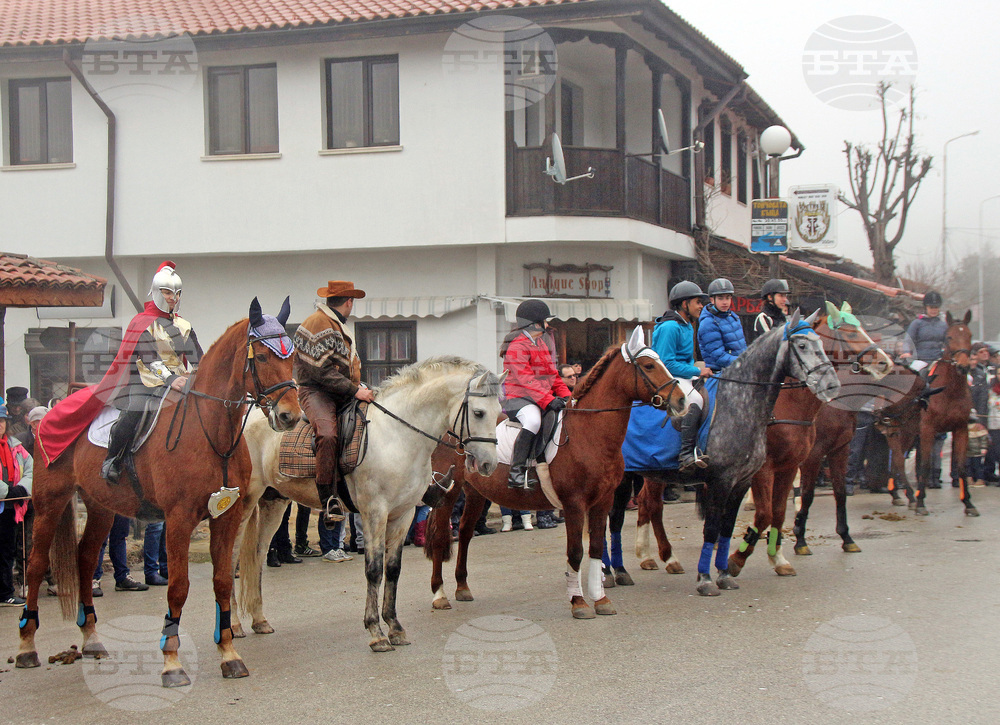
The village of Arbanassi is one of the few settlements where the ambience and style typical of Bulgarian National Revival architecture survive. Several houses, dating back to the late 16th century and the 17th century, are preserved intact. The village of Abanassi near Veliko Tarnovo hosts a contest for the smartest looking horse and rider, village of Arbanassi, February 24, 2018 (BTA Photo/Daniel Yordanov)
news.anonymous.signup
news.anonymous.login
Giro d’Italia in Bulgaria, Stage 2: the Route Comes to Life in Images Captured on Camera by BTA
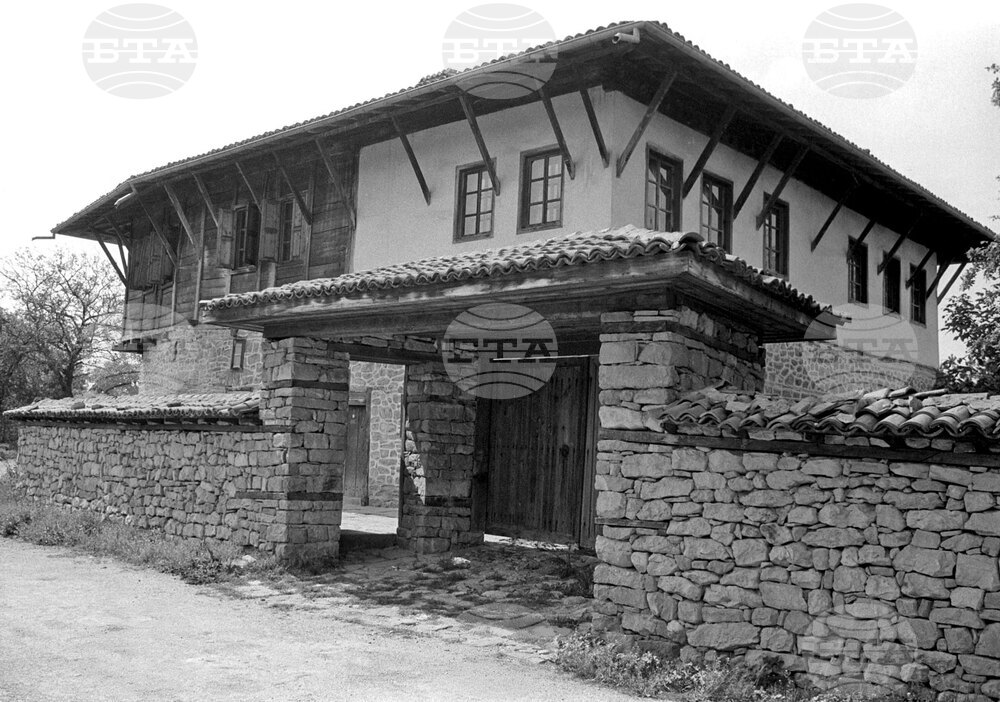
The village of Arbanassi is one of the few settlements where the ambience and style typical of Bulgarian National Revival architecture survive. Several houses, dating back to the late 16th century and the 17th century, are preserved intact. The peculiar village is an architectural reserve and a magnet for foreign tourists, village of Arbanassi, April 28, 1990 (BTA Photo/Dimitar Kolchakov)
news.anonymous.signup
news.anonymous.login
Giro d’Italia in Bulgaria, Stage 2: the Route Comes to Life in Images Captured on Camera by BTA
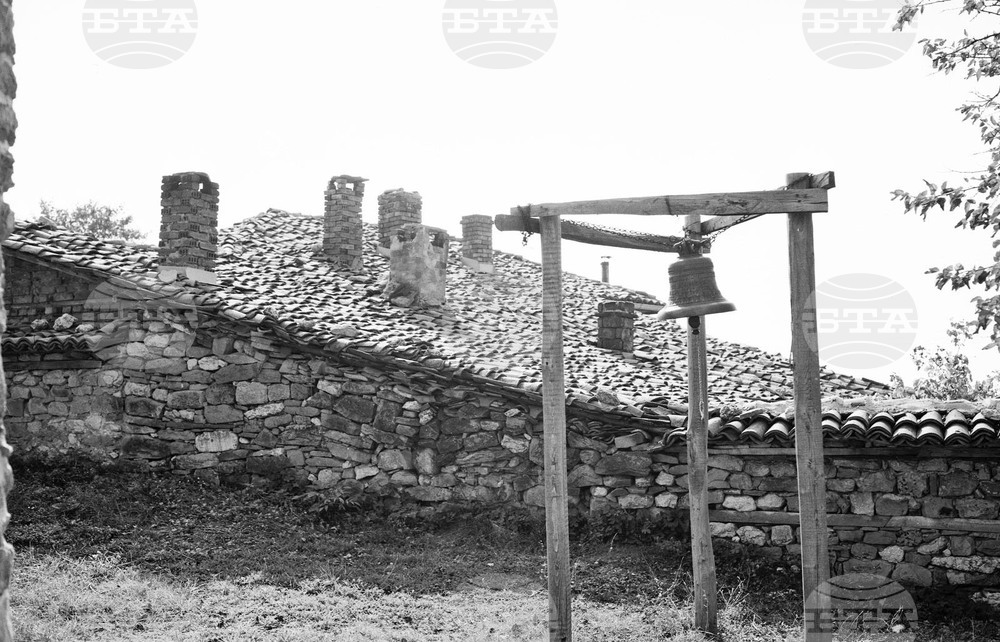
The village of Arbanassi is one of the few settlements where the ambience and style typical of Bulgarian National Revival architecture survive. Several houses, dating back to the late 16th century and the 17th century, are preserved intact. The bell of the Church of the Nativity in the village of Arbanassi, village of Arbanassi, October 10, 1983 (BTA Photo/Oleg Popov)
news.anonymous.signup
news.anonymous.login
Buy a photo
Please confirm photo buy. If you continue this purchase will be deducted from your active subscription.
Photo Download
Please confirm photo download