Constanta Antarctic science symposium
![Romanian Geomorphologist Daniela Pascal Presents Joint Study on Climate Change in Antarctica]()
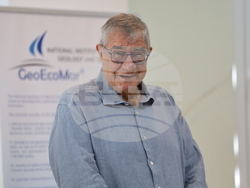
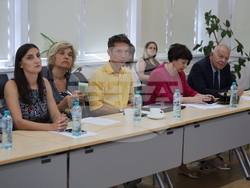
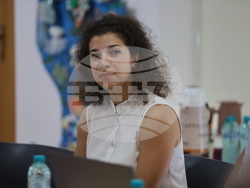
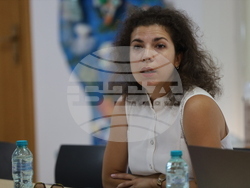
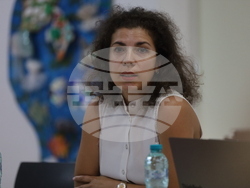
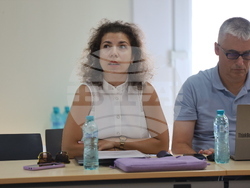
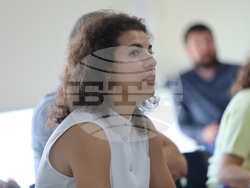
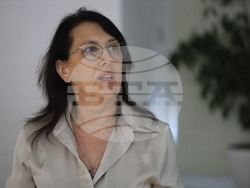
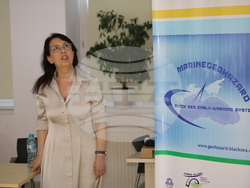
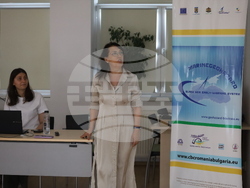
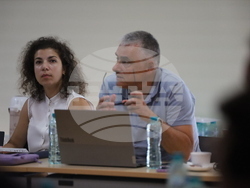
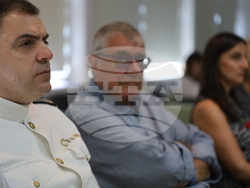
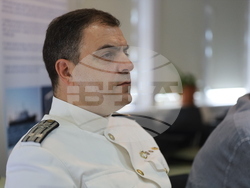
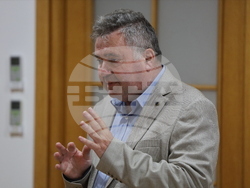
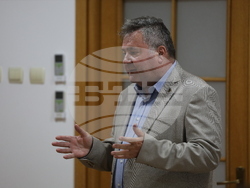
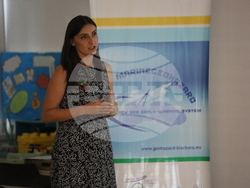
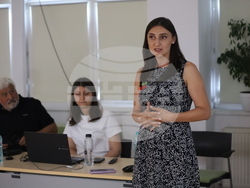
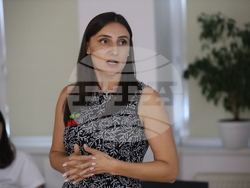
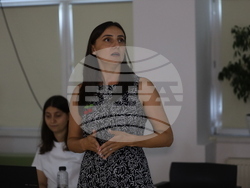
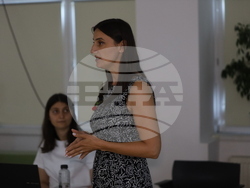
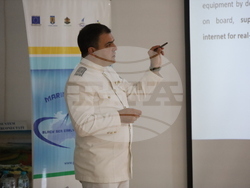
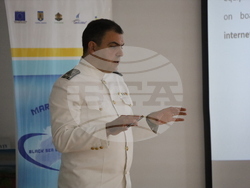
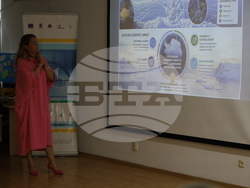
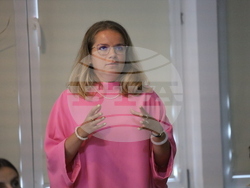
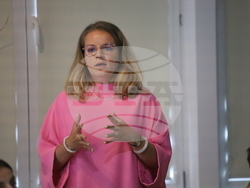
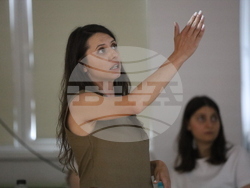
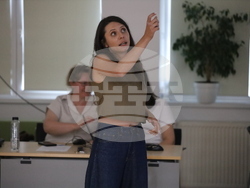
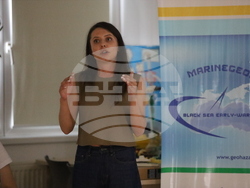
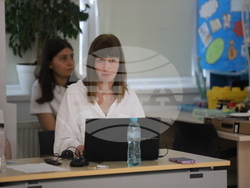
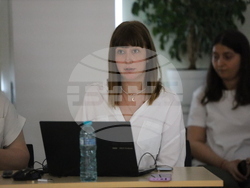
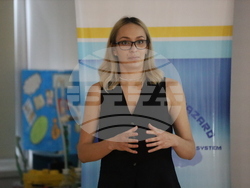
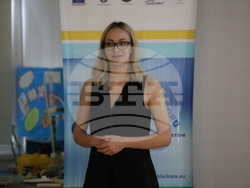
![Romanian Geomorphologist Daniela Pascal Presents Joint Study on Climate Change in Antarctica]() Romanian geomorphologist Daniela Pascal at a Bulgarian-Romanian Symposium on Scientific Research in Antarctica, held in Constanta, Romania, July 1, 2026 (BTA Photo/Ilko Valkov)
Romanian geomorphologist Daniela Pascal at a Bulgarian-Romanian Symposium on Scientific Research in Antarctica, held in Constanta, Romania, July 1, 2026 (BTA Photo/Ilko Valkov)
![Румъния - Констанца - симпозиум - България - учени]()
![Румъния - Констанца - симпозиум - България - учени]()
![Румъния - Констанца - симпозиум - България - учени]()
![Румъния - Констанца - симпозиум - България - учени]()
![Румъния - Констанца - симпозиум - България - учени]()
![Румъния - Констанца - симпозиум - България - учени]()
![Румъния - Констанца - симпозиум - България - учени]()
![Румъния - Констанца - симпозиум - България - учени]()
![Румъния - Констанца - симпозиум - България - учени]()
![Румъния - Констанца - симпозиум - България - учени]()
![Румъния - Констанца - симпозиум - България - учени]()
![Румъния - Констанца - симпозиум - България - учени]()
![Румъния - Констанца - симпозиум - България - учени]()
![Румъния - Констанца - симпозиум - България - учени]()
![Румъния - Констанца - симпозиум - България - учени]()
![Румъния - Констанца - симпозиум - България - учени]()
![Румъния - Констанца - симпозиум - България - учени]()
![Румъния - Констанца - симпозиум - България - учени]()
![Румъния - Констанца - симпозиум - България - учени]()
![Румъния - Констанца - симпозиум - България - учени]()
![Румъния - Констанца - симпозиум - България - учени]()
![Румъния - Констанца - симпозиум - България - учени]()
![Румъния - Констанца - симпозиум - България - учени]()
![Румъния - Констанца - симпозиум - България - учени]()
![Румъния - Констанца - симпозиум - България - учени]()
![Румъния - Констанца - симпозиум - България - учени]()
![Румъния - Констанца - симпозиум - България - учени]()
![Румъния - Констанца - симпозиум - България - учени]()
![Румъния - Констанца - симпозиум - България - учени]()
![Румъния - Констанца - симпозиум - България - учени]()
![Румъния - Констанца - симпозиум - България - учени]()
![Румъния - Констанца - симпозиум - България - учени]()
![Румъния - Констанца - симпозиум - България - учени]()
![Румъния - Констанца - симпозиум - България - учени]()
![Румъния - Констанца - симпозиум - България - учени]()
![Румъния - Констанца - симпозиум - България - учени]()
![Румъния - Констанца - симпозиум - България - учени]()
![Румъния - Констанца - симпозиум - България - учени]()
![Румъния - Констанца - симпозиум - България - учени]()
![Румъния - Констанца - симпозиум - България - учени]()
![Румъния - Констанца - симпозиум - България - учени]()
![Румъния - Констанца - симпозиум - България - учени]()
![Румъния - Констанца - симпозиум - България - учени]()
![Румъния - Констанца - симпозиум - България - учени]()
![Румъния - Констанца - симпозиум - България - учени]()
![Румъния - Констанца - симпозиум - България - учени]()
![Румъния - Констанца - симпозиум - България - учени]()
![Румъния - Констанца - симпозиум - България - учени]()
![Румъния - Констанца - симпозиум - България - учени]()
![Румъния - Констанца - симпозиум - България - учени]()
![Румъния - Констанца - симпозиум - България - учени]()
![Румъния - Констанца - симпозиум - България - учени]()
![Румъния - Констанца - симпозиум - България - учени]()
![Румъния - Констанца - симпозиум - България - учени]()
![Румъния - Констанца - симпозиум - България - учени]()
![Румъния - Констанца - симпозиум - България - учени]()
![Румъния - Констанца - симпозиум - България - учени]()
![Румъния - Констанца - симпозиум - България - учени]()
![Румъния - Констанца - симпозиум - България - учени]()
![Румъния - Констанца - симпозиум - България - учени]()
![Румъния - Констанца - симпозиум - България - учени]()
![Румъния - Констанца - симпозиум - България - учени]()
![Румъния - Констанца - симпозиум - България - учени]()
![Румъния - Констанца - симпозиум - България - учени]()
![Румъния - Констанца - симпозиум - България - учени]()
![Румъния - Констанца - симпозиум - България - учени]()
![Румъния - Констанца - симпозиум - България - учени]()
![Румъния - Констанца - симпозиум - България - учени]()
![Румъния - Констанца - симпозиум - България - учени]()
![Румъния - Констанца - симпозиум - България - учени]()
![Румъния - Констанца - симпозиум - България - учени]()
![Румъния - Констанца - симпозиум - България - учени]()
![Румъния - Констанца - симпозиум - България - учени]()
![Румъния - Констанца - симпозиум - България - учени]()
![Румъния - Констанца - симпозиум - България - учени]()
![Румъния - Констанца - симпозиум - България - учени]()
![Румъния - Констанца - симпозиум - България - учени]()
![Румъния - Констанца - симпозиум - България - учени]()
![Румъния - Констанца - симпозиум - България - учени]()
![Румъния - Констанца - симпозиум - България - учени]()
![Румъния - Констанца - симпозиум - България - учени]()
![Румъния - Констанца - симпозиум - България - учени]()
![Румъния - Констанца - симпозиум - България - учени]()
![Румъния - Констанца - симпозиум - България - учени]()
![Румъния - Констанца - симпозиум - България - учени]()
![Румъния - Констанца - симпозиум - България - учени]()
![Румъния - Констанца - симпозиум - България - учени]()
![Румъния - Констанца - симпозиум - България - учени]()
![Румъния - Констанца - симпозиум - България - учени]()
![Румъния - Констанца - симпозиум - България - учени]()
![Румъния - Констанца - симпозиум - България - учени]()
![Румъния - Констанца - симпозиум - България - учени]()
![Румъния - Констанца - симпозиум - България - учени]()
site.btaRomanian Geomorphologist Daniela Pascal Presents Joint Study on Climate Change in Antarctica
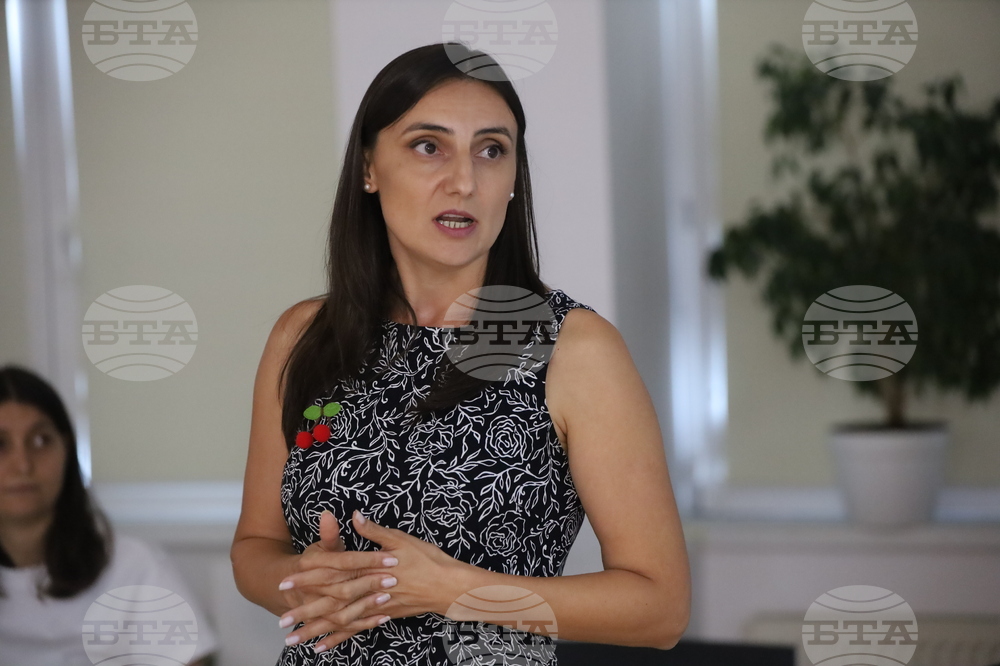
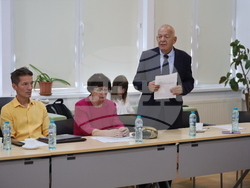
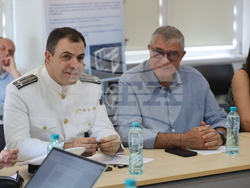
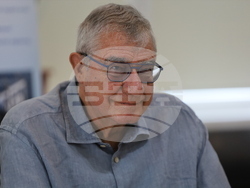
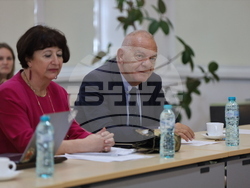
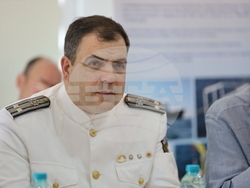
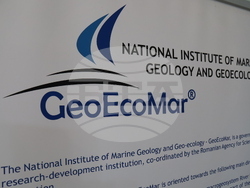
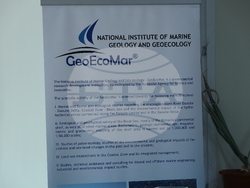
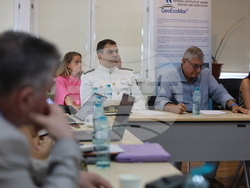
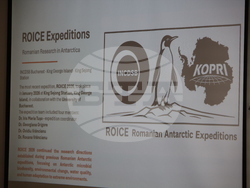
Studying past climate change in Antarctica is of key importance for understanding Earth's climate system and its long-term variability, said Romanian geomorphologist Daniela Pascal here on Wednesday. She was speaking at a Bulgarian-Romanian Symposium on Scientific Research in Antarctica, held at the Constanta branch of the National Institute for Research and Development on Marine Geology and Geoecology (GeoEcoMar).
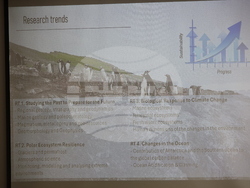
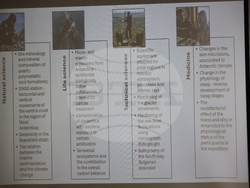
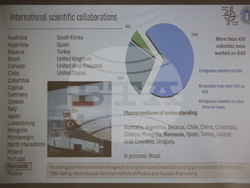
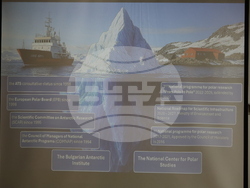
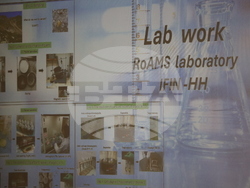
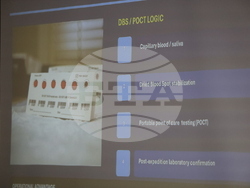
Pascal, who works at Romania's Horia Hulubei National Institute for Research and Development in Physics and Nuclear Engineering, presented at the symposium a joint project on cosmogenic dating through surface exposition. It was launched in 2024 when the Horia Hulubei National Institute and the Bulgarian Antarctic Institute signed a memorandum of scientific cooperation. Pascal said that was the first project in Romania dedicated to cosmogenic nuclide dating, and it is related not only to Antactica but also to building new scientific capacities in Romania and building expert knowledge in cosmogenic dating.
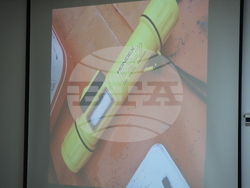
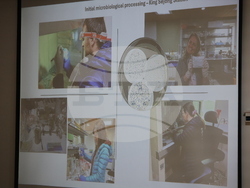
She explained that cosmogenic dating is a technique that uses the concentration of cosmogenic nuclides to date terrestrial formations associated with various geomorphological processes. The concentration of cosmogenic nuclides depends on elevation, latitude, and duration of exposure, Pascal noted, explaining that samples undergo physical and chemical processing to determine their age. “In recent years, we have successfully implemented the necessary chemical protocol and are now able to perform all physical and chemical processing of the samples in Romania,” she said.
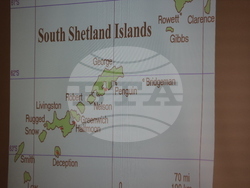
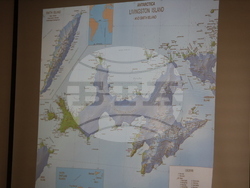
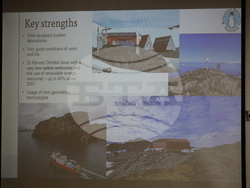
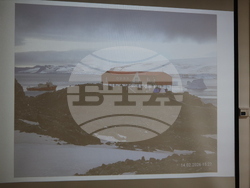
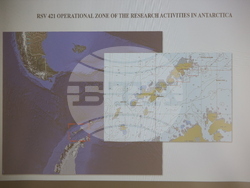
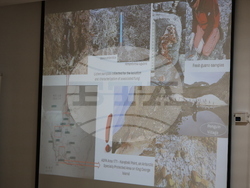
She specified that Livingston Island is one of the most dynamic ice environments in marine Antarctica, and its glaciers react very fast to climate change. Those conditions turn the island into a natural laboratory for studying glaciers' behaviour 24,000 years ago to present day. "Understanding how these glaciers have responded in the past to climate conditions similar to those of today will help us improve climate forecasts and better understand the processes taking place today," she said.
Within the project, Romanian and Bulgarian scientists have thus far conducted two successful Antarctic expeditions and collected 60 rock samples. Six of these have already been processed chemically, while the remaining 54 samples are still undergoing physical processing. Afterwards, the results will be published and, if needed, new field campaigns will be conducted to cover a larger part of Livingston Island, Pascal explained.
/KK/
Additional
news.modal.image.header
news.modal.image.text
news.modal.download.header
news.modal.download.text
news.modal.header
news.modal.text