site.btaFive Bulgarian Regions Lacked Hazardous Waste Disposal Facilities in 2021-2024, Audit Finds
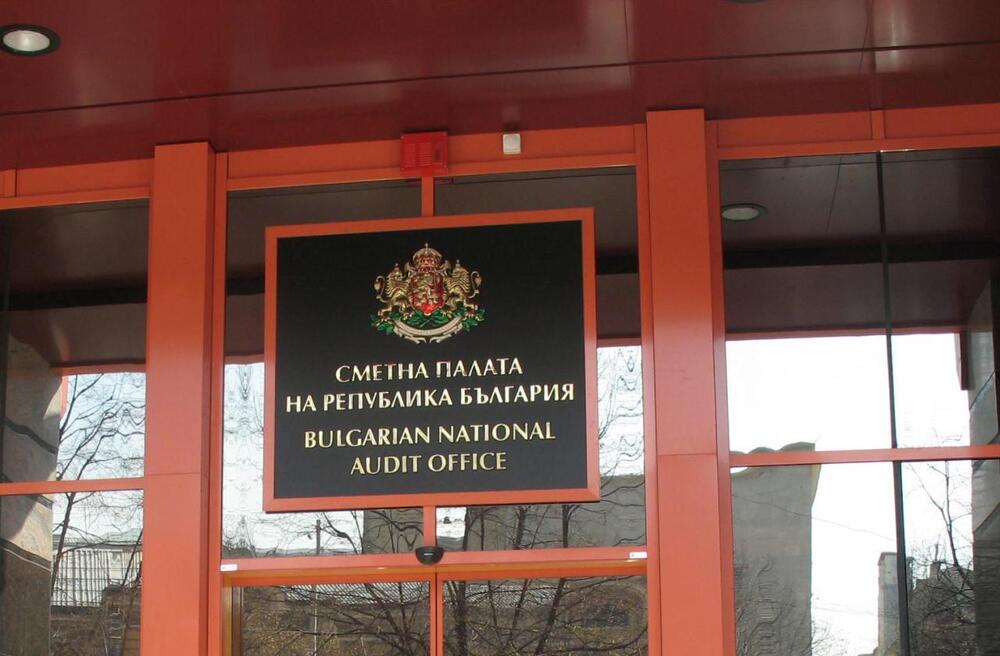
Five regions in Bulgaria do not have facilities for the disposal of hazardous waste, which creates risks for the environment and public health, the Bulgarian National Audit Office (BNAO) said in an audit report covering the 2021-2024 period.
The regions without treatment facilities for hazardous waste generated by households, industry and healthcare activities are Blagoevgrad, Vidin, Gabrovo, Sliven and Smolyan.
The audit report titled "Hazardous Waste Management in Bulgaria: January 2021 - December 2024" is available in Bulgarian on the institution’s website. The audited entity is the Ministry of Environment and Water.
Hazardous waste has properties such as explosiveness, flammability, toxicity, carcinogenicity or infectivity, according to the Waste Management Act. This also includes waste generated by healthcare facilities. Mining and radioactive waste was excluded from the audit, as it is regulated under separate legislation.
The report notes that hazardous waste volumes increased from 13.7 tonnes in 2021 to nearly 16 tonnes in 2023, according to data of the National Statistical Institute, which also include waste from extractive industries.
Citing Eurostat data for 2022, the report says Bulgaria generates 2,246 kg of hazardous waste per capita, compared with an EU average of 266 kg, placing the country second in the EU after Finland.
The audit also identifies nine infringement procedures launched by the European Commission against Bulgaria for issues related to the transposition or implementation of directives on waste management, five of which were closed between 2021 and 2024. The procedures relate to issues such as the polluter pays principle and inadequate pre-landfill waste treatment.
The report concludes that progress in hazardous waste management remains limited and does not guarantee effective containment of environmental and health risks. The document highlights the absence of a parliamentary-approved national environmental strategy, leaving sector policy without a long-term framework.
The National Waste Management Plan 2021-2028 does not sufficiently address industrial hazardous waste, the main source of such materials, the auditors say. They also point to weaknesses in coordination and monitoring by the Environment Ministry and the need to upgrade the National Waste Information System.
The report further finds that 42% of violations by mayors relate to illegal dumping sites and failure to clear them. Nearly 29% of municipalities with populations above 10,000 have not provided designated collection points for household hazardous waste. Eight regional capitals are affected, including Veliko Tarnovo, Gabrovo, Lovech, Silistra, Smolyan, Sliven, Stara Zagora and Yambol.
The audit also records a 41% increase in imports of hazardous waste for recovery in 2024 compared with 2021, including for metal recycling and oil re-refining.
BNAO has issued seven recommendations to the Environment and Water Minister, with a deadline for implementation set for March 1, 2027.
The report has been submitted to the European Commission and to International Organization of Supreme Audit Institutions (INTOSAI).
/DD/
news.modal.header
news.modal.text